Ja Morant dunk highlights and Ukrainians struggling for their lives.
NFL Draft teasers and Russian Cruise Missiles blasting into apartment buildings.
Safe in my power recliner, sipping hot coffee, my snoring dog at my feet.
Just a few weeks ago, like me, Ukrainians lived their lives peacefully.
I imagine my Ukrainian counterpart sitting in his apartment, watching TV, petting his cat, enjoying life’s simple pleasures.
Life can turn on a dime, especially after 4 years of an American president heaping praise on autocratic dictators – softening the ground for anti-democratic movements around the globe, lauding dictators for their “strength” while bashing long-standing alliances.
If you think what is happening in Ukraine today can’t happen in America tomorrow, you’re kidding yourself.
There are anti-democratic forces in congress, and the de facto leader of the Republican party continues to praise and refuses to denounce a murderous thug’s invasion of Ukraine.
Keep this in mind when heading to the ballot box in 2022 and 2024.
Ukrainians are fighting for their lives and their freedom.
Their country is under attack, and their sovereignty is threatened by a thuggish dictator, drunk on nostalgia and looking to impose authoritarianism on a country that poses no threat to him or his country.
And rather than condemn the actions and motives of the Russian President, Mike Pompeo and Former President Trump praise him for his tactics, lending aid and comfort to a true enemy of democracy.
This is utterly unsurprising, as Trump’s 4-year presidency is littered with examples of praise for authoritarian rulers and governments. And don’t hold your breath for Republican leadership to condemn Trump or Pompeo, as today’s Republican party is infested with anti-democratic seditionists who are beholden to Trump and foreign influencers.
The threat to western democracy in Europe is genuine. Another Trump presidency would act as a linchpin and accelerant for anti-democratic forces abroad and in America.
We should all keep that in mind when we head to the ballot box in 2022 and 2024.
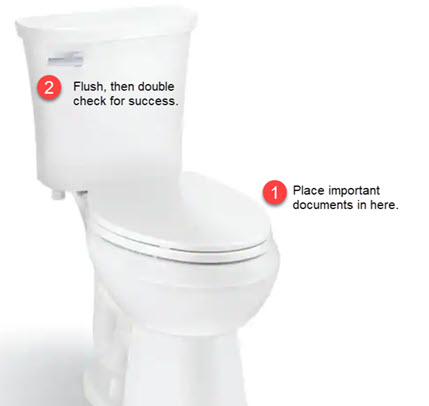
Flushing handwritten notes down the toilet while your flunkies furiously pack away official documents to be taken secretly to another location is not the act of an innocent man.
President Trump’s behavior surrounding white house documents mirrors that of a meth dealer who hears a sharp knock on his door in the middle of the night.
Stop equivocating diversity of opinions with what you’re doing, which is pandering to an audience who desperately wants their politically motivated, anti-science views and opinions validated.





 bendingtheneedle