Donny Shakes the Jar Donny stirs the pot Donny knows that hate and fear are really all he’s got
Insurrectionists as martyrs the freedom fighter lies “A fraudulent election!” his fake-ass battle cry
He’s got minions on the take and congress in his pocket FOX to help him spin the lies Vlad Putin in his locket
On 02/26/26, the single “Donny Shakes the Jar” from the album “Wounded” comes out on Spotify, Apple Music, YouTube Music, and iTunes under the artist profile “Sapient Rain.”
Sapient Rain is the artistic collaboration of writer/lyricist Geoffrey Reilly and the AI music engine Suno.
My Paper, My Words is a collection of essays, stories, and poems that reflect the challenges of a middle-class husband and father trying to navigate a rapidly changing political, religious, and technological landscape of post-911 America.
We cannot be afraid to speak at what is being done Trump’s a bully and freak who wants to shock and stun With fascists in our government, this isn’t a dry run And so, we have a song to sing, a song that must be sung
GO!
Neo-fascist-oligarchic-expialidocious Elon-Bezos-Zuckerberg are really quite atrocious We need to fight them in the streets and call them on their grossness Neo-fascist-oligarchic-expialidocious
On 02/26/26, the single “Neo-fascist-oligarchic-expialidocious” from the album “Wounded” comes out on Spotify, Apple Music, YouTube Music, and iTunes under the artist profile “Sapient Rain.”
Sapient Rain is the artistic collaboration of writer/lyricist Geoffrey Reilly and the AI music engine Suno.
My Paper, My Words is a collection of essays, stories, and poems that reflect the challenges of a middle-class husband and father trying to navigate a rapidly changing political, religious, and technological landscape of post-911 America.
News is now tribal with no true reporting FOX is the bible a church for consorting Where lies lead to lust for the ignorant masses gaping and raping in their Eva Braun glasses
Troubadour tribesmen of white patriarchy pied-piping pitchmen for the new oligarchy Putin has puppets Elon and Don a triad of hatred running a con
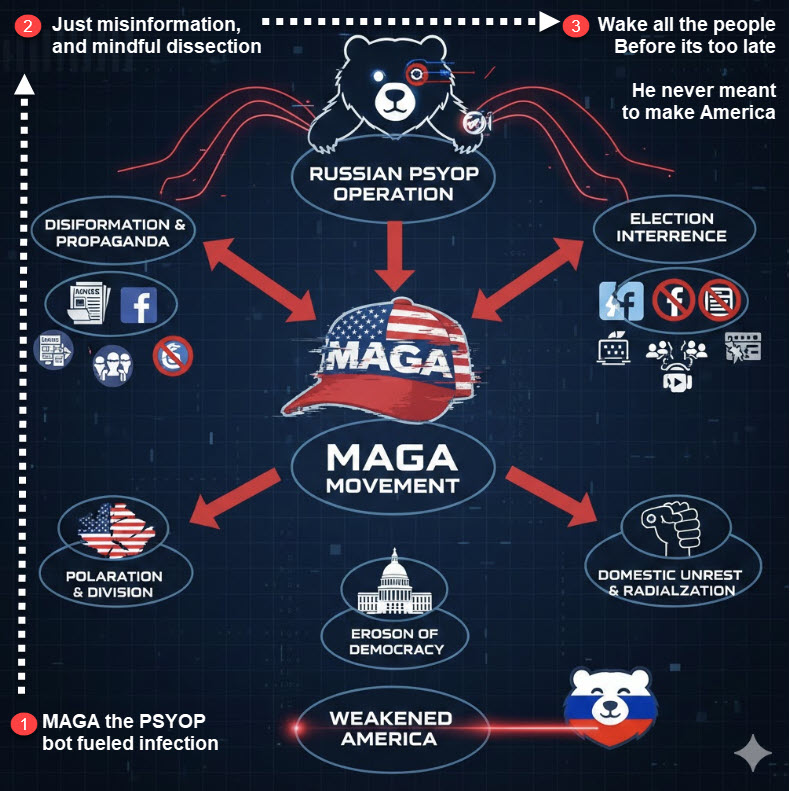
MAGA the psyop bot fueled infection, just misinformation, and mindful dissection Wake all the people Before its too late He never meant to make America Great
On 02/26/26, the single “MAGA The PYSOP” from the album “Wounded” comes out on Spotify, Apple Music, YouTube Music, and iTunes under the artist profile “Sapient Rain.”
Sapient Rain is the artistic collaboration of writer/lyricist Geoffrey Reilly and the AI music engine Suno.
My Paper, My Words is a collection of essays, stories, and poems that reflect the challenges of a middle-class husband and father trying to navigate a rapidly changing political, religious, and technological landscape of post-911 America.
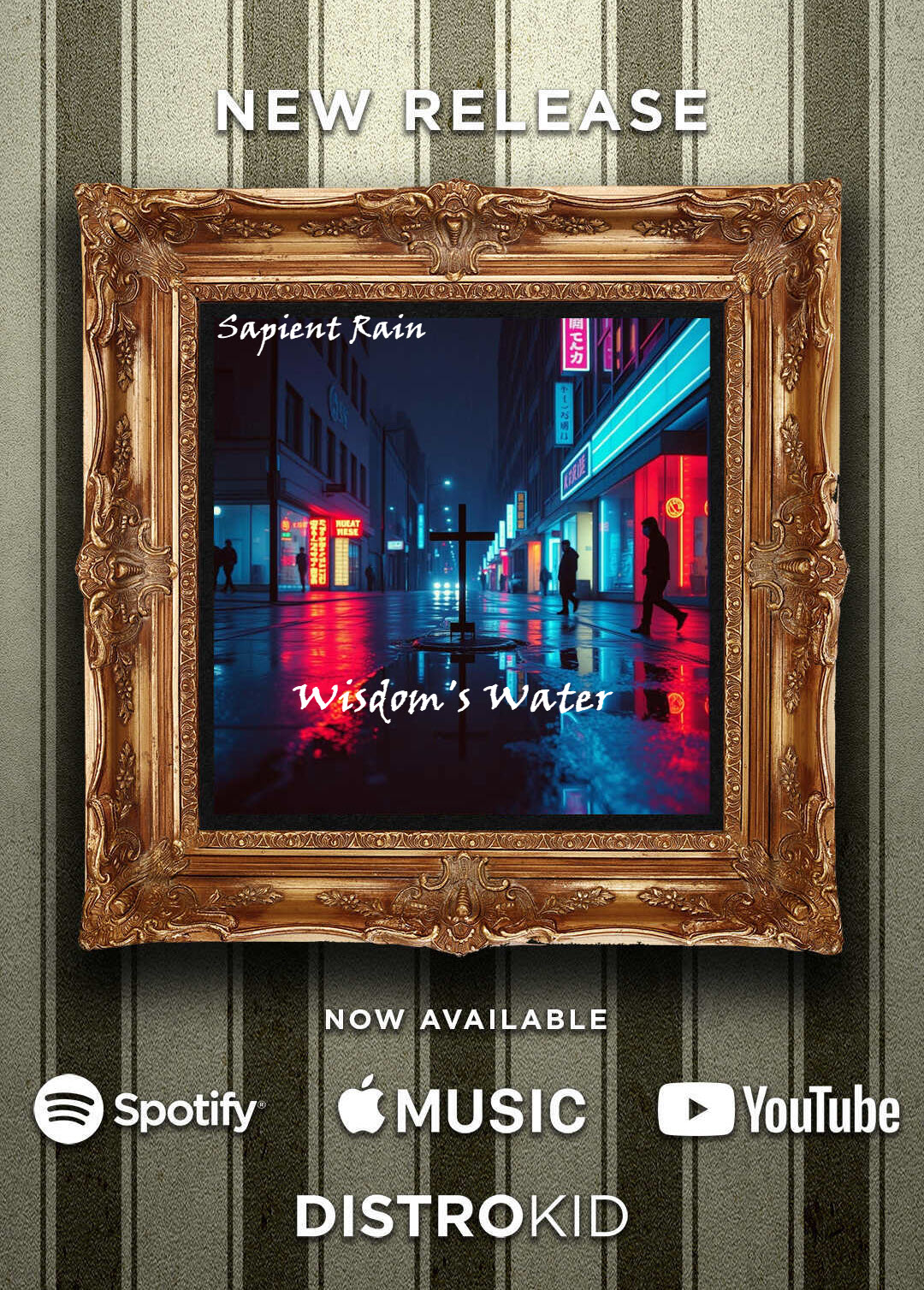
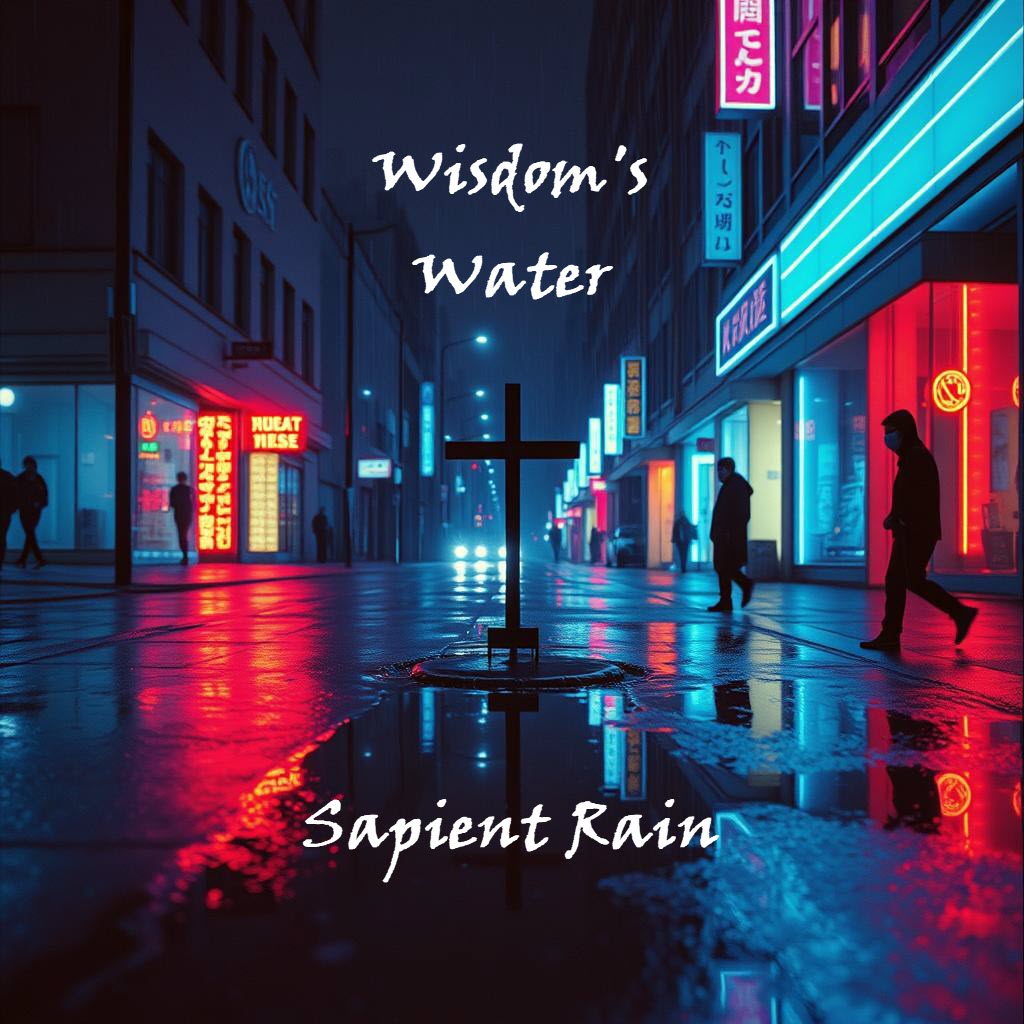
Wisdom’s Water, a creative endeavor between me and the AI Music Engine, Suno, is now available on Apple Music, YouTube Music, and Spotify.
The work appears under the artist profile “Sapient Rain.”
The lyrics on Wisdom’s Water come from poems I’ve written and published over the last few years, and center around themes of religion, violence in America, civic responsibility, and the fragility of democratic ideals.
The music is generated by Suno and adds a second consciousness to the collaboration, shifting from atmospheric tension to rhythmic urgency, mirroring the political and social turbulence the album explores.
I had a lot of fun crafting the lyrics and working with Suno to select the musical score for my poetry.
I’m inspired by all the artists and citizens who are speaking out and protesting in defense of our democracy. I believe this album will resonate with anyone concerned about the troubling direction in which our country is heading under Donald Trump’s fascist regime.
Not all of the songs on Wisdom’s Water are protest songs, but many are. I hope you download, stream, and share them with friends and family. And I hope you enjoy listening to them!
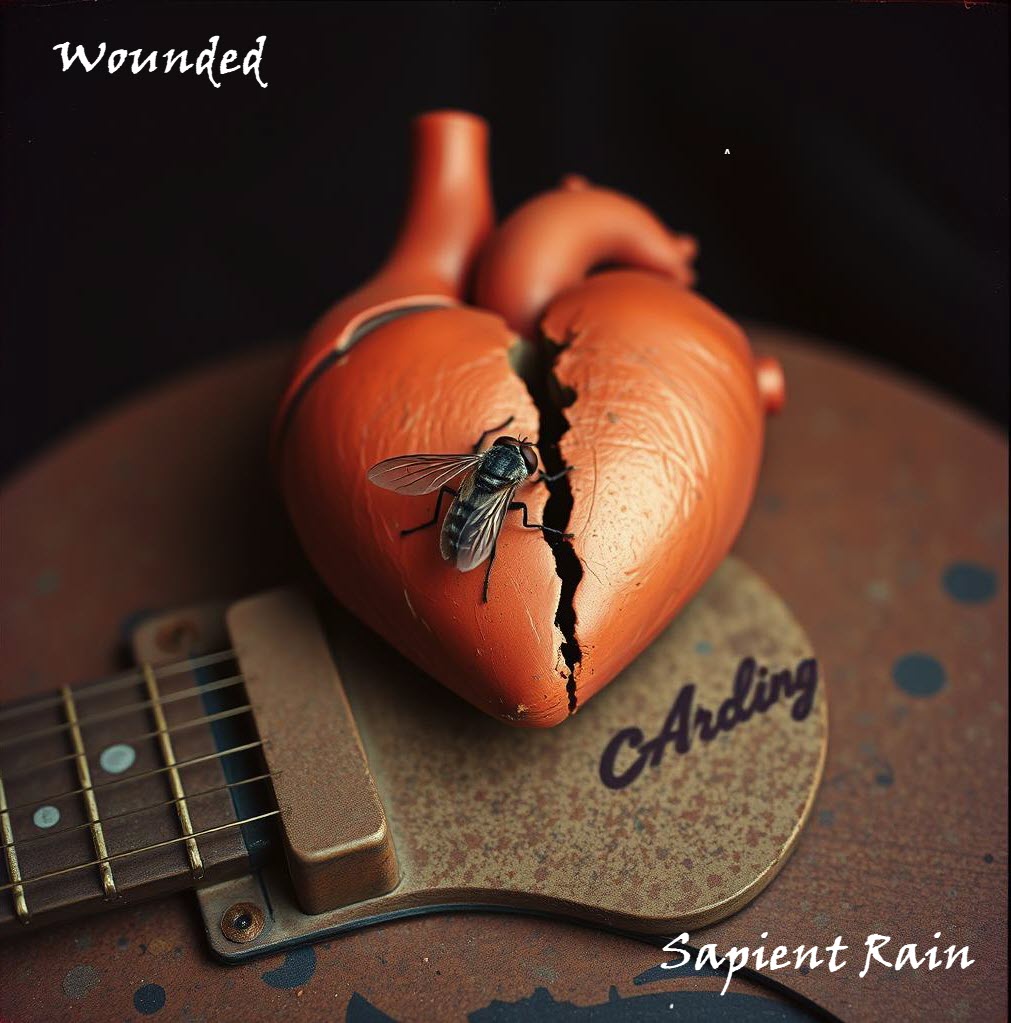
And finally, look for my second collaboration with Suno, titled Wounded, which will be available on streaming services on February 26th, 2026.
My Paper, My Words is a collection of essays, stories, and poems that reflect the challenges of a middle-class husband and father trying to navigate a rapidly changing political, religious, and technological landscape of post-911 America.
Sapient Rain is a human-AI partnership between lyricist Geoffrey Reilly and the AI music platform Suno.
“Wounded,” the follow-up to Sapient Rain’s debut release, “Wisdom’s Water,” presents an eclectic collection of songs spanning musical genres, from rockabilly and grunge-inflected bangers to melodic country western ballads.
Reilly’s lyrics focus on individuals wounded by love, depression, and the whims of demented, power-hungry authoritarians. Suno’s AI-generated music (thoughtfully procured by Reilly) amplifies and transforms the lyric imagery into immersive soundscapes that feel firmly rooted in the times we are living.
My Paper, My Words is a collection of essays, stories, and poems that reflect the challenges of a middle-class husband and father trying to navigate a rapidly changing political, religious, and technological landscape of post-911 America.
Did any “Christians” at the Prayer breakfast call out the President of the United States for his shameful statements and treatment of immigrants in America?
In between pancakes and coffee, did anyone speak to the hypocrisy of Donald Trump attending the event, considering his well-documented dishonesty, vindictiveness, and unrepentant sexual immorality, or was there just a hushed acceptance of this “flawed man”?
Did any of the “Christians” in attendance voice their concerns about the Trump administration’s cutting of USAID, which will lead to millions of deaths by 2030?
Did those in attendance lend support and prayer for marginalized people, and justice for young girls trafficked and abused by the rich and powerful, as documented in the Epstein files?
Seems like a prayer breakfast would be the perfect place for talking about all these things.
From what I’ve read, rather than promoting unity, spiritual reflection, and reconciliation, the Orange Ayatollah of Ice Brigades and Sexcapades turned the once venerated event into a boastful campaign rally brimming with self-promotion and partisan political attacks. Like every other institution he encounters, the president torched norms and obliterated traditions, while religious bigots in attendance bowed down to their true king.
One thing about Trump you can’t deny: there’s very little subterfuge when it comes to his bigotry, vindictiveness, and hate. And his unvarnished take on anyone who defies or challenges him has laid bare the true morality of his religious base, who have revealed themselves as people who care more about power and control than grace and humility, who want to subjugate and dominate, and who would sooner punch you in the face than turn the other cheek.
The National Prayer Breakfast is a National Farce. What used to be a bipartisan and unifying event has become a partisan pigpile, obscuring the event’s original, inclusive, ecumenical nature.
Examples:
President Trump used the breakfast to criticize political opponents, claiming they “oppose God and religious freedom.”
He also used the platform to attack political enemies along religious lines, turning the event into a partisan stage rather than a shared spiritual gathering.
Trump mocked Democratic lawmakers and questioned why “people of faith would ever vote for a Democrat,” despite the event’s bipartisan leadership.
Trump’s rhetoric excludes Christians who refuse to align themselves with the undeniably Christian Nationalist identity of the MAGA movement. Through words and actions, the President continues to make a mockery of Christianity, and that mockery gets amplified by conservative Christian leaders who to turn a blind eye to Trump’s amoral behavior.
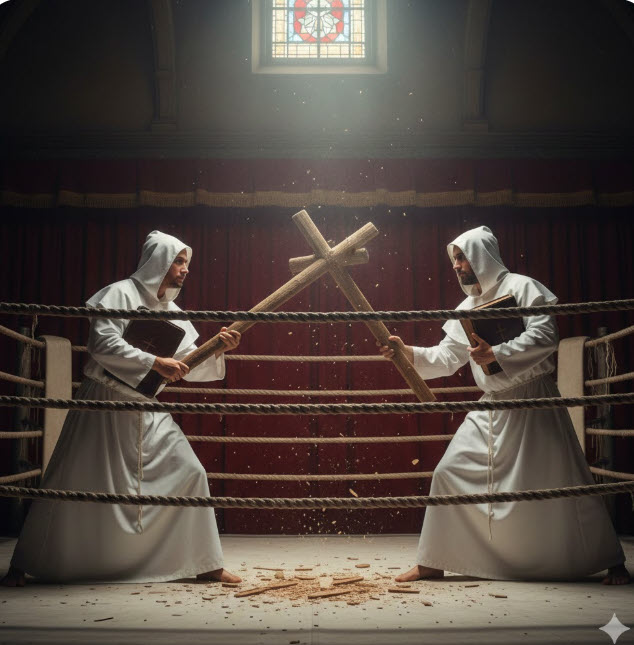
The quote “When fascism comes to America, it will be wrapped in the flag and carrying a cross” describes perfectly what occurred at this year’s National Prayer Breakfast and what’s happening in America today. The president’s remarks are indicative of the dangerous merger of nationalist demagoguery and religion.
How long before Christianity in America undergoes a full-blown sectarian split?
As America struggles to maintain Jefferson’s wall of separation between church and state, Atheists, Agnostics, and religiously unaffiliated need to unite behind the version of Christianity that promotes kindness, empathy, and love.
My Paper, My Words is a collection of essays, stories, and poems that reflect the challenges of a middle-class husband and father trying to navigate a rapidly changing political, religious, and technological landscape of post-911 America.
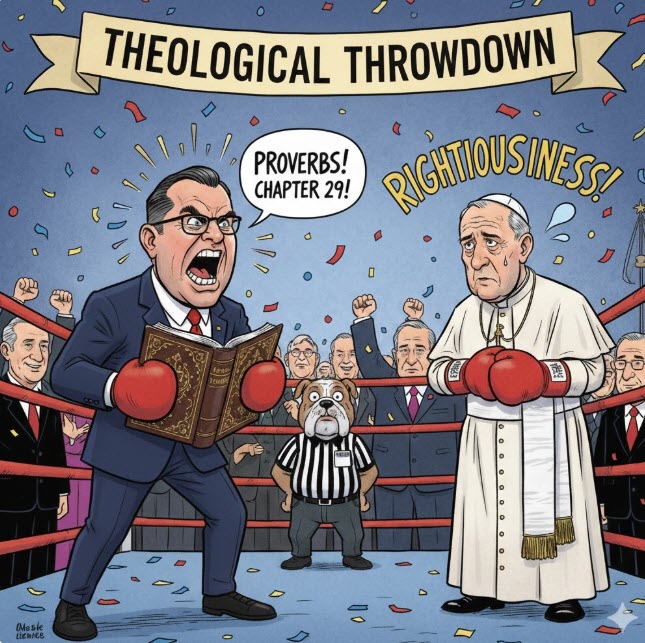
Mike Johnson’s recent attempt to use biblical arguments to justify America’s immigration enforcement shines a light on a dangerous problem: political leaders are misusing scripture to defend actions that run counter to the central Christian moral tradition. That should be a red flag to those of us who cherish living in a country guided by the rule of secular law.
The quote “When fascism comes to America, it will be wrapped in the flag and carrying a cross” seems tailor-made for House Speaker Mike Johnson. Yesterday, he tried to “out-bible” Pope Leo by using his favorite little black book to justify the GOP’s cruel treatment of immigrants, saying, “Borders are biblical.”
Put aside the troublesome issue of the person third in line for the presidency using the Bible as justification for law; any credible theologian knows Johnson’s biblical argument for strict border enforcement is selective, incomplete, and doesn’t correspond to the broader Christian tradition.
When Pope Leo cites Matthew 25:35 (“I was a stranger and you welcomed me”), he highlights a moral duty toward immigrants, widely affirmed by Christian theologians: Hospitality to strangers is central in the Bible.
The Old Testament repeatedly commands care for foreigners (e.g., Deut 10:19).
Jesus’ teachings prioritize mercy over legalism.
Johnson uses scripture to highlight order and sovereignty, but pays less attention to major biblical themes such as hospitality, compassion, and the dignity of migrants. Additionally, this approach appears not to fully acknowledge Christian ethics, suggesting that governments also have moral obligations, as prophets in the Bible often addressed nations regarding their treatment of foreigners.
Again, putting aside the fact that we live in a society that is ruled by secular law, the Bible’s recognition of borders and civil authority does not override its commands to welcome and care for migrants.
Pope Leo is not a U.S. official—he is the spiritual and moral leader of Catholics worldwide. His call to “welcome the stranger” offers guidance for leaders in line with Christian tradition.
As an American citizen and atheist, all this bible thumping is infuriating. When officials use bible verses to justify policies, we cross the Rubicon. America is a constitutional republic, not a theocracy. Mike Johnson and Donald Trump are elected officials who swore to uphold the Constitution, not a religion.
Here’s a suggestion: Treat everyone with respect and dignity and give all people, including the undocumented, the due process guaranteed them by the constitution.
My Paper, My Words is a collection of essays, stories, and poems that reflect the challenges of a middle-class husband and father trying to navigate a rapidly changing political, religious, and technological landscape of post-911 America.
Writing today to gently remind you that Wisdom’s Water, my poetic / lyrical collaboration with the AI Music platform Suno, drops on Spotify on February 12th, 20026.
I had a blast crafting the lyrics and working in Suno to select the most suitable musical vehicle for my words and feelings. I’m inspired by all of the artists and citizens speaking out and protesting in defense of our democracy, which we are in legitimate danger of losing.
Not all of the songs are protest songs, but many are. I hope you download, stream, and share them with friends and family. And I hope you enjoy listening to them!
I created an artist account on Instagram and have been posting snippets of tracks from Wisdom’s Water. Feel free to follow the artist profile at https://www.instagram.com/sapientrain/
Here is a little taste of Wisdom’s Water from Sapient Rain:
My Paper, My Words is a collection of essays, stories, and poems that reflect the challenges of a middle-class husband and father trying to navigate a rapidly changing political, religious, and technological landscape of post-911 America.
If not for witness cell phone videos, the Trump administration would be categorizing the execution-style murder of Alex Pretti as a domestic terrorist attack by the victim.
How do we know this? Because before those videos went public, before any investigation into the shooting, that’s what Kristi Noem, Donald Trump, Greg Bovino, and Karoline Leavitt suggested. All of them are fucking liars protecting murderers.
I keep waiting for the lightbulb to flicker and ignite above the heads of decent Americans who voted for this piece of garbage and for them to say, “Enough is enough.” No one is asking you to become progressive, or liberal, or socialist, just fucking human, just fucking decent.
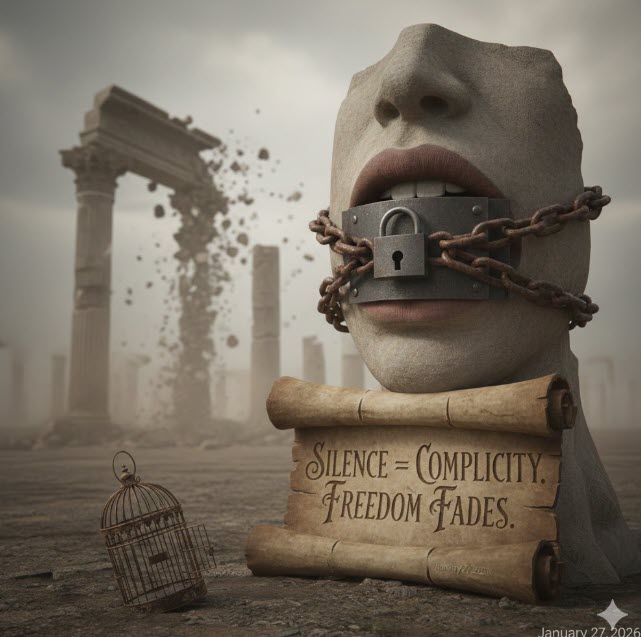
Our government is murdering citizens in the street, and all we hear from many of our fellow citizens is the deafening sound of their silence.
I am not surprised that people like Donald Trump exist and can lie their way to the most powerful office in the world. I’m not surprised that there are hateful, bigoted people who get off on the vicious treatment by this administration of American citizens and undocumented people. None of that surprises me.
What surprises and distresses me is the silence from those who know better. My Republican friends who know what our constitution says, who see it being violated regularly by Trump and his administration, and still remain silent.
 bendingtheneedle