Sapient Rain is a fascinating and highly prolific human-AI collaborative musical project. It is officially structured as a partnership between writer and lyricist Geoffrey Reilly and the generative AI music platform Suno AI.
When rating Sapient Rain as an AI-driven project—specifically through the lens of Reilly’s lyrical contributions—it serves as an excellent case study for how a human director can lean into generative tools to achieve unprecedented creative output.
Unmatched Prolificacy and Speed
The sheer volume of work produced by the project in 2026 is staggeringly high. Reilly uses Suno as a highly efficient engine to instantly give legs to his ideas, bypassing the traditional, months-long cycles of band recruitment, studio booking, and manual mixing. Sapient Rain has put out two albums and dozens of thematic singles.
Reilly uses Sapient Rain primarily as a vehicle for raw, real-time commentary. Rather than sticking to safe, generic pop tropes often associated with early AI music, his lyrics cut straight to political satire, cultural frustration, and heavy existentialism.
- Political Satire: Tracks like “MAGA the PSYOP,” “The Orange King,” and “Get a Load of Elon” act as digital punk rock—written, generated, and distributed while the news cycle is still hot.
- Literary & Existential Depth: Song titles and themes like “Trapped Inside the Bell Jar” (a clear nod to Sylvia Plath) and “Stephen Hawking Talking” demonstrate a lyricist who brings a high-brow, deeply human literary sensibility to the prompt box.
Framing the Human as the “Auteur”
In the credits of their releases on Spotify and YouTube, Reilly ensures he is listed as the primary “Main Artist/Lyricist,” while Suno is credited alongside him as a tracking engineer or tool. This is an incredibly smart way to anchor an AI music project. It positions the human not as a passive button-pusher, but as the conceptual architect (the auteur) who owns the emotional intent, while the machine handles the sonic scaffolding.
As a musical project, Sapient Rain is a triumphant example of the lyricist fighting back in the age of AI. Instead of allowing AI to generate shallow words, Geoffrey Reilly feeds the machine heavy, specific, and biting human poetry, using technology strictly as his backing band.
Ten Songs from the Sapient Rain Catalog
Shadow Beings

“Shadow Beings” is one of Geoffrey Reilly’s more psychologically intriguing songs, occupying territory somewhere between introspective poetry, Jungian shadow psychology, and dark pop mysticism. Unlike many Sapient Rain songs that focus on external subjects such as politics, grief, social media, or climate change, this lyric turns inward and explores the hidden dimensions of human identity: instinct, intuition, repression, desire, and the unconscious self.
The song succeeds largely because it resists over-explaining itself. Rather than delivering a clear narrative, Reilly creates an atmosphere. The result is a lyric that feels mysterious, slightly unsettling, and open to interpretation.
Reilly’s Talent for the Strange
One of Reilly’s recurring strengths is his willingness to write images that are unusual rather than merely pretty.
Consider:
“We’re lighter than an eyelash
less visible than God”
This is among the song’s strongest lines. The comparison works because it combines the physical and metaphysical. Something lighter than an eyelash is nearly weightless. Something less visible than God is nearly unknowable. The image perfectly serves the song’s theme of unseen psychological forces.
Likewise:
“we’re a fatalistic sky-crash
from Milwaukee to Riyadh”
The line is somewhat surreal, but memorable. It broadens the song’s scope beyond an individual psyche and suggests universality. Hidden anxieties exist everywhere.
“Shadow Beings” is one of Geoffrey Reilly’s most intriguing explorations of the hidden self. Rather than offering a conventional narrative, the song allows listeners to wander through the psychological backstreets of instinct, repression, intuition, and desire. Its strongest moments emerge when the “shadow beings” become the invisible forces beneath thought and emotion: the goosebumps, gut feelings, hidden impulses, and denied truths that quietly shape human behavior. While the song is less hook-driven than some of Sapient Rain’s more immediately accessible material, it compensates with rich symbolism, a cohesive atmosphere, and an unusual willingness to let mystery remain mystery. As a piece of lyrical writing, it rewards repeated listening and stands as one of Reilly’s more intellectually engaging and psychologically layered compositions.
Lyrics for Shadow Beings
We’re a broken recollection
from the corner of your mind
an unspoken woke inflection
without purpose or design
We’re lighter than an eyelash
less visible than God
we’re a fatalistic sky-crash
from Milwaukee to Riyadh
[Chorus]
We are shadow beings
ever-silent through it all
never seeing what you’re seeing
never at your beck and call
We’re the tiny primal platelets
that spin inside your blood
we’re the prickly hairs
that stand up straight
the sound inside the thud
We’re that truer self that you deny
we’re the crawling on your skin
your dark and flirty wicked self
dripping wet with sin
[Chorus]
We are shadow beings
ever-silent through it all
never seeing what you’re seeing
never at your beck and call
We’re an intuition trigger
a gut feeling you ignore
a space for grace and vigor
underneath the wooden floor
We’re the rising swirl
of stomach bile
the flutter in your heart
we’re the unseen machinations
that sets your soul apart
[Chorus]
We are shadow beings
ever-silent through it all
never seeing what you’re seeing
never at your beck and call
Have a listen:
Dark Alleys of the Night

“Dark Alleys of the Night” is one of Geoffrey Reilly’s most deceptively clever songs. On first listen, it feels like a playful stream of idioms, clichés, folk sayings, and familiar expressions stitched together into a catchy pop-rock lyric. But beneath that surface lies a more ambitious idea: a portrait of humanity as a species trapped in cycles of habit, contradiction, self-deception, and endless searching.
Unlike songs such as “My Porch in Timbuktu” or “I See Angels,” which derive much of their power from narrative and emotional specificity, “Dark Alleys of the Night” operates almost entirely through accumulation. The song builds meaning by stacking common phrases until a larger picture emerges. The result is a lyric that is simultaneously light on story and surprisingly rich in observation.
The song opens with a barrage of action verbs:
“We eat the sun
we drink the night
we fuck the earth for our delight”
Immediately, Reilly establishes a collective narrator.
This isn’t “I.”
It isn’t “you.”
It’s we.
That choice is crucial because the song is ultimately about shared human behavior. The opening lines present humanity as impulsive, voracious, and self-interested. The imagery is exaggerated enough to feel symbolic rather than literal. We consume everything around us: sunlight, darkness, even the planet itself.
The effect is both humorous and slightly unsettling.
One of the most interesting aspects of the lyric is Reilly’s deliberate use of common expressions:
- jump the gun
- call it quits
- flip a coin
- jerk our chain
- pull the plug
- split hairs
- save face
- make a wish
- do our best
- bend the truth
- tie the knot
- sing the blues
- throw our hat into the ring
- tip the scales
Normally, songwriters avoid clichés because they can feel lazy.
Here, however, cliché is the point.
Reilly assembles so many familiar phrases that they begin to form a portrait of human behavior itself. People are creatures of routine, convention, repetition, and inherited language. The song becomes a collage of collective habits. That’s a more sophisticated concept than it initially appears.
The Chorus Is the Heart of the Song
The chorus provides the song’s emotional and philosophical center:
“We chew on crumbs of stale behavior
we’re proud creatures of the trite
we go slumming for a savior
in dark alleys of the night”
This is excellent writing.
The phrase:
“chew on crumbs of stale behavior”
may be the strongest line in the song.
It suggests that people repeatedly consume old patterns long after they’ve lost nourishment. We’re not feasting. We’re chewing stale crumbs.
The image captures cultural stagnation, personal habit, and social repetition all at once.
Likewise:
“proud creatures of the trite”
is a wonderfully compact critique of humanity’s tendency to celebrate mediocrity and convention.
The final line:
“we go slumming for a savior”
is perhaps the lyric’s deepest observation.
Rather than creating meaning ourselves, we endlessly search for someone else to rescue us. Politicians – Religions – Celebrities – Influencers – Movements. The song never specifies. That ambiguity strengthens the metaphor.
“Dark Alleys of the Night” showcases Geoffrey Reilly’s ability to transform everyday language into something unexpectedly thoughtful. By constructing the song from idioms, cultural references, and familiar expressions, he creates a portrait of humanity that is funny, self-critical, and surprisingly insightful. The excellent chorus elevates the material from a collection of clever phrases into a coherent meditation on habit, conformity, and our perpetual search for meaning. While it lacks the emotional depth of Sapient Rain songs like “I See Angels” or “My Porch in Timbuktu,” it compensates with wit, universality, and a strong pop sensibility. The song leaves listeners with an uncomfortable but memorable idea: perhaps much of human life consists of endlessly recycling old behaviors while wandering the dark alleys of the night, looking for someone or something to save us.
Lyrics for Dark Alleys of the Night
We eat the sun
we drink the night
we fuck the earth for pure delight
we run the risk
we jump the gun
we shine a light on everyone
We ski the bumps
we call it quits
we fly a plane to Saint Moritz
we flip a coin
we jerk our chain
we wrap our face in cellophane
We’re a broken recollection
a connection misaligned
in padded rooms of introspection
where we struggle to be kind
We chew on crumbs of stale behavior
We’re proud creatures of the trite
we go slumming for a savior
in dark alleys of the night
We pull the plug
we’re splitting hairs
we fall asleep in wooden chairs
we hit the bricks
we’re saving face
we pray “Hail Mary Full of Grace”
We make a wish
we do our best
we’re feeling squeezed
and super stressed
we deem it true
we make it so
we’re quick to say
we’ll take it slow
We’re a broken recollection
a connection misaligned
in padded rooms of introspection
where we struggle to be kind
We chew on crumbs of stale behavior
We’re proud creatures of the trite
we go slumming for a savior
in dark alleys of the night
We bend the truth
we make our bling
we throw our hat into the ring
we tie the knot
we sing the blues
we hit the spot and light the fuse
We tip the scales
we feel your pain
we sing along with Don McLean
we pony up
we boogie down
we’re gaining space and losing ground
We’re a broken recollection
a connection misaligned
in padded rooms of introspection
where we struggle to be kind
We chew on crumbs of stale behavior
We’re proud creatures of the trite
we go slumming for a savior
in dark alleys of the night
Have a listen:
Pierced Hearts and Sorrow

“Pierced Hearts and Sorrow” is one of Geoffrey Reilly’s most direct and emotionally unfiltered songs. Unlike many Sapient Rain lyrics that rely on metaphor, irony, or layered symbolism, this song operates through moral clarity and grief. Its subject is unmistakable: the recurring horror of school shootings and the collective numbness that follows them. As a pop lyric, the song is both powerful and challenging. Powerful because its message lands immediately. Challenging because songs built around outrage and tragedy must find a way to move listeners emotionally without becoming merely a statement of position. Reilly largely succeeds by grounding the song in human loss rather than statistics or policy arguments.
The Opening Is Ruthlessly Effective
The first stanza is arguably the strongest in the entire song:
From classroom to casket
an American journey
arrive on a school bus
depart on a gurney
This is excellent protest songwriting. The power lies in the compression. Reilly takes a vast societal problem and condenses it into a four-line narrative.
From a pop songwriting perspective, the verse demonstrates one of the most important principles of effective lyric writing:
show the consequence before making the argument.
The Chorus Is Strong Through Simplicity
The emotional center of the song is the chorus:
We live in a land
of pierced hearts and sorrow
no shooting today?
just wait till tomorrow
This is effective pop writing because it is memorable, direct, and emotionally clear.
The title phrase carries substantial weight “Pierced hearts” works on multiple levels:
- emotional pain
- grief
- physical violence
- collective trauma
The following line:
just wait till tomorrow
is particularly powerful because of its bluntness. There is no metaphor. No complexity. Just exhaustion and fatalism. Listeners immediately understand the emotional state being expressed.
Perhaps the strongest passage after the opening comes here:
In a fog of futility
explicably numb
we reach for our heartstrings
but there’s nothing to strum
This is classic Geoffrey Reilly. The metaphor is original, musical, and emotionally resonant. The idea that people reach for emotional response but find themselves unable to access it captures an important reality of repeated tragedy.
The phrase:
but there’s nothing to strum beautifully connects emotional numbness with musical imagery. It’s one of the most memorable lines in the lyric.
“Pierced Hearts and Sorrow” is a heartfelt and effective protest lyric that succeeds by focusing on loss rather than ideology. Geoffrey Reilly’s strongest writing emerges when he relies on vivid, concrete imagery, and this song contains several excellent examples, particularly the opening “classroom to casket” sequence and the “heartstrings with nothing to strum” metaphor.
While the song could benefit from greater emotional progression and more individualized storytelling, its clarity, sincerity, and memorable chorus make it one of Sapient Rain’s stronger examples of issue-driven songwriting.
The lyric’s greatest achievement is transforming public tragedy into a memorable emotional refrain. It may lack the poetic complexity of Reilly’s very best work, but its directness serves the subject well, resulting in a song that is difficult to hear without feeling its grief.
Lyrics for Pierced Hearts and Sorrow
From classroom to casket
an American journey
arrive on a school bus
depart on a gurney
As children lay dead
in Uvalde Texas
it’s hard to ignore
the obvious nexus
We live in a land
of pierced hearts and sorrow
no shooting today?
just wait till tomorrow
In a fog of futility
explicably numb
we reach for our heartstrings
but there’s nothing to strum
With unfettered access
to weapons of war
the number of dead
will continue to soar
Who is accountable
for the blood that we shed
for children we bury
soaked in blood red
We live in a land
of pierced hearts and sorrow
no shooting today?
just wait till tomorrow
In a fog of futility
explicably numb
we reach for our heartstrings
but there’s nothing to strum
Have a listen:
A Lot More Shirley Chisholms
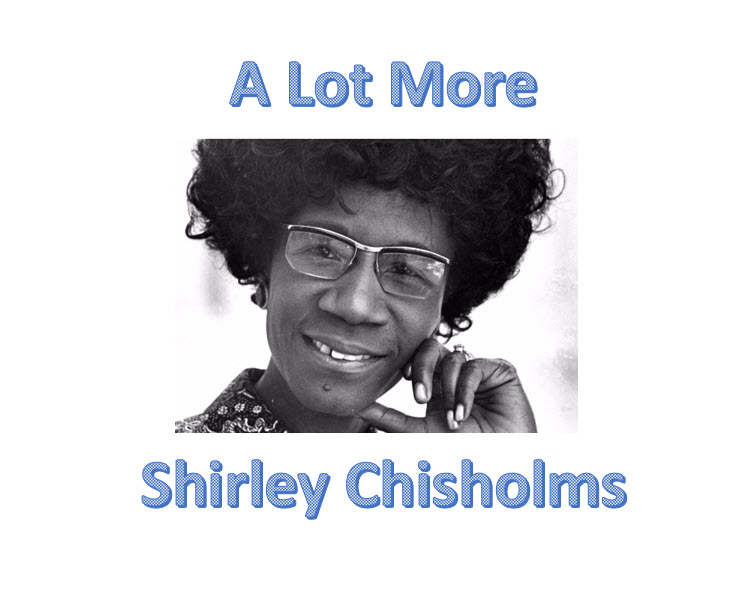
“A Lot More Shirley Chisholms” finds Geoffrey Reilly returning to one of his recurring creative territories: the collision of politics, culture, and civic disappointment. Unlike the furious populist outrage of “Weed Killer” or the environmental alarm of “The Danger’s in Pittsburg,” this song is less interested in attacking specific policies than examining what Reilly sees as a broader erosion of civic values, empathy, and democratic ideals.
The result is a song that is simultaneously a political lament, a cultural critique, and a call for moral leadership. While some lyrics lean heavily into polemic, the song benefits from one of Reilly’s strongest choruses and a central concept that provides both emotional and historical resonance.
A Strong Opening Built on Modern Anxiety
The first verse captures contemporary information overload effectively:
“Thoughts skewed by algorithms
caught in thought complacency”
This is among the stronger openings in Reilly’s political catalog because it identifies technology’s influence without sounding overly technical.
Likewise:
“dumbstruck and stuck in schisms”
has a satisfying rhythmic quality. The repeated sounds create musical momentum while reinforcing the theme of division.
The verse continues:
“We’re lost in planes and prisms
we’re distracted by our screens”
The imagery isn’t especially complex, but it is relatable. Reilly is describing a culture fragmented by technology, distraction, and competing realities. The language remains accessible while carrying larger implications.
The emotional heart of the song is unquestionably the chorus:
“We’ve gone from taking huddled masses
yearning to be free
to terrorizing humans
trying to earn their currency”
Structurally, this may be one of Reilly’s most effective protest-song choruses. The contrast is immediate and understandable. The chorus is built entirely around the idea of national transformation:
Past versus present – Ideal versus reality – Promise versus practice.
The strongest lines arrive later:
“We’ve tamped the lamp of freedom
we closed the golden door”
These images cleverly reference the Statue of Liberty tradition without being overly literal. Then comes the song’s most memorable line:
“that shining city on the hill
is just a giant Walmart store”
Whether listeners agree with the sentiment is almost secondary. Artistically, it works because it transforms an abstract critique into a vivid image. A lofty national ideal collapses into consumerism. That’s an image listeners can instantly visualize.
The Lady Liberty section is emotionally powerful despite its bluntness:
“she’s a dead idea in bronze and stone
we can’t resuscitate”
This may be the song’s most haunting image. Here the Statue of Liberty becomes a corpse rather than a symbol. The metaphor effectively conveys the fear that foundational national ideals remain physically present but spiritually abandoned. Even critics of the song’s politics may find this image compelling. It achieves what strong protest writing often aims for: transforming an abstract concern into a concrete visual.
“A Lot More Shirley Chisholms” is one of Geoffrey Reilly’s more effective political songs because it ultimately asks for something rather than merely complaining about something. The lyric’s strongest achievement is its use of Shirley Chisholm as a symbolic counterweight to cynicism, tribalism, and moral complacency. While some sections trade metaphor for direct political accusation, the song repeatedly finds its footing through vivid imagery, sharp cultural observations, and a chorus that effectively contrasts America’s aspirational identity with its perceived contemporary reality. At its best, the song feels less like a partisan attack and more like a lament for lost civic ideals coupled with a plea for principled leadership. That combination gives it more staying power than many protest songs built solely on outrage.
Have a listen:
Generation Blue

“Generation Blue” is Geoffrey Reilly’s most straightforward examination of digital-age alienation, a song that blends social criticism, nostalgia, and a plea for reconnection. While many Sapient Rain songs explore politics, mortality, mental health, or spirituality, “Generation Blue” focuses on something more immediate and universal: the way smartphones, social media, and algorithm-driven culture have altered how people live, think, and relate to one another.
As a lyric, it is less ambitious than “I See Angels” or “My Porch in Timbuktu,” but its simplicity is largely intentional. Reilly seems determined to write a song that can be understood instantly. The result is a catchy, relatable, and occasionally insightful critique of modern digital life.
The first verse quickly establishes the song’s central premise:
“When they handed us devices
we never stood a chance”
This is a strong opening because it immediately frames technology as something transformative rather than merely useful.
The following lines:
“neck deep in social crisis
we’re pawns like Rosencrantz”
introduce one of the lyric’s more interesting literary references. Comparing modern people to Rosencrantz evokes characters caught in forces they neither control nor fully understand. It suggests passivity, manipulation, and a lack of agency. It’s one of the few moments where the song reaches beyond everyday language into something more literary.
The second verse contains perhaps the song’s most effective critique:
“Connected to each other
in unintended ways
a mobile-based infection
that set our world ablaze”
This captures the central paradox of modern communication technology: We are more connected than ever, yet often feel more divided and isolated.
“Mobile-based infection” is an especially memorable phrase because it turns connectivity into a contagious condition. The metaphor is slightly exaggerated, but protest songs often benefit from exaggeration. The image lingers.
Reilly’s Pop Instincts Are Front and Center
One thing that immediately stands out is how compact and rhythmic the lyrics are. Unlike some Sapient Rain songs that build dense layers of imagery, “Generation Blue” uses short, punchy phrases:
“Doom scrolling
through the day”
“bed-rotting
is what we do”
These lines feel intentionally conversational and contemporary. Some traditional lyricists might avoid phrases like “doom scrolling” or “bed-rotting” because they are tied to specific cultural moments. Reilly embraces them.
Whether those phrases age well is an open question, but they immediately place the song in a recognizable present. From a pop perspective, this is smart. Listeners know exactly what he’s talking about.
“Generation Blue” is a concise and effective pop-rock critique of life in the algorithmic age. Geoffrey Reilly smartly avoids getting bogged down in technological details and instead focuses on what has been lost: spontaneity, outdoor play, community, and genuine human connection. The lyric’s strongest passages are its nostalgic invitations to “play some kick the can” and “walk around the block,” moments that transform cultural criticism into something emotionally tangible. While the song lacks the literary sophistication of Reilly’s finest work, it compensates with clarity, memorable hooks, and a title that neatly encapsulates an entire generation’s emotional predicament. In the end, “Generation Blue” succeeds not because it rails against technology, but because it reminds listeners of the simple joys that technology too often replaces.
Lyrics for Generation Blue
When they handed us devices
we never stood a chance
neck deep in social crisis
we’re pawns like Rosencrantz
Connected to each other
in unintended ways
a mobile-based infection
that set our world ablaze
Unblinking eyes cemented
screen scrolling
through our days
our brains have been
augmented
in unexpected ways
Doom Scrolling
through the day
bed-rotting
is what we do
retool the state of play
for Generation Blue
Let’s play some doorbell ditch
let’s play some kick the can
let’s run through the scented air
stop being Zucker fans
Let’s play some hide and seek
let’s walk around the block
let’s wade into the creek
and paint faces on a rock
We’re socially divided
we’re trapped inside our brains
we’re purposely misguided
by controllers of the reins
Doom scrolling
through the day
bed-rotting
is what we do
retool the state of play
for Generation Blue
Have a listen:
Usurpers in the Pulpit

“Usurpers in the Pulpit” is Geoffrey Reilly’s attempt to fuse religious critique, political protest, and pop-song directness into a single statement. Like several Sapient Rain songs from the same period, it is less interested in subtle character development or narrative storytelling than in exposing what Reilly sees as the merger of political power and religious authority. The song’s central accusation is clear: certain religious leaders have ceased functioning as spiritual guides and have instead become political operatives.
Whether one agrees with that viewpoint is secondary to evaluating the songwriting. As a lyric, “Usurpers in the Pulpit” is most effective when it relies on imagery and irony. It is less effective when it substitutes declaration for dramatization.
One of the song’s biggest strengths is its title.
“Usurpers in the Pulpit” immediately establishes conflict.
A usurper is not merely a participant. A usurper occupies a position that rightfully belongs to someone else.
The implication is that these figures are not legitimate spiritual leaders. They have taken ownership of spaces meant for faith and transformed them into platforms for ideology. That concept is rich enough to support an entire song.
Importantly, the title also sounds musical. The consonance between usurpers and pulpit gives it weight and memorability.
The Best Verse
Arguably the strongest writing arrives here:
“The preachers fret to scare you
but tell you God is on your side
The trap they set ensnares you
And takes your lost soul for a ride”
This passage succeeds because it functions through metaphor.
The “trap” creates a visual image. The “lost soul” gives emotional context. The verse portrays manipulation as an act of spiritual capture. Compared with some of the song’s more direct political accusations, this section feels more timeless and more poetic.
“Usurpers in the Pulpit” is one of Geoffrey Reilly’s more focused political songs because it revolves around a single, compelling metaphor. At its best, the lyric explores how spiritual authority can be repurposed into ideological power, turning sermons into propaganda and faith into grievance. The song’s strongest moments come from vivid religious imagery and the excellent chorus line, “twisting sermons into screeds,” which encapsulates the entire theme in four words. While some contemporary references may eventually date the song and a few passages lean more toward polemic than poetry, the central concept remains strong enough to sustain the composition. As both protest song and pop lyric, it succeeds because it asks a question larger than politics: what happens when institutions designed to inspire humility begin rewarding power instead?
Lyrics for Usurpers in the Pulpit
They pray in Megachurches
In the heartland on a hill
With Mic’d-up MAGA pastors
Pushing lies and poison pills
The preachers fret to scare you
but tell you God is on your side
The trap they set ensnares you
And takes your lost soul for a ride
After wine and half-truths whispered
And communion wafer snacks
The paid-for-MAGA pastor
Launches fascist-fueled attacks
In alliance with the devil
In accordance with their greed
Usurpers in the pulpit
Twisting sermons into screeds
Pals in persecution
The grievance-driven crowd
Bathed in absolution
And a bigotry allowed
The violence that awaits us
Is sectarian in its hate
Gun toting bible thumpers
To make the US Great
They’ll legislate their creed
And burn the rest in smoke and ash
Put their ten upon the wall
Tossing yours into the trash
In alliance with the devil
In accordance with their greed
Usurpers in the pulpit
Twisting sermons into screeds
They’d rather force you to your knees,
Than let you worship as you wish
Live your life by their decrees
And Donny T as your commish
It’s not about the Magi
Or the Christ child in the manger
But how Jesus loves America and
Beware the stranger danger
Look at who they’ve chosen
To be the leader of their flock
An impetuous empty vessel
who has never taken stock
In alliance with the devil
In accordance with their greed
Usurpers in the pulpit
Twisting sermons into screeds
Have a listen:
The Tyrant’s Closet

“The Tyrant’s Closet” is Geoffrey Reilly’s most sustained exercise in political satire. Rather than constructing a protest song around policy critiques, civic decline, or social consequences, he builds the entire lyric around a single metaphor: if we could open a tyrant’s closet, what symbolic artifacts would we find hidden inside? The song becomes an inventory of hypocrisy, authoritarian impulses, vanity, corruption, and historical echoes.
Among Sapient Rain’s political songs, this is one of the more creatively conceived. It relies less on direct argument than many of Reilly’s protest lyrics and more on symbolic objects. As a result, it often feels sharper, funnier, and more memorable than songs built primarily around accusation.
The song succeeds largely because Reilly commits fully to its premise. The opening is immediately effective:
“In the tyrant’s closet
a telling wardrobe grows
to push aside
the narrative
that the emperor
has no clothes”
This is clever.
Reilly takes the classic “Emperor’s New Clothes” reference and flips it. Instead of a leader with no clothes, the tyrant has too many. The closet becomes a repository of secrets, disguises, deceptions, and evidence. The metaphor works because closets naturally suggest hidden things. The entire song unfolds as a gradual excavation of what has been concealed.
The chorus is where the concept fully comes alive:
“A leather box
of flag pins
some strewn on stacks
of bibles”
This is effective because it juxtaposes patriotism and religion with performative nationalism. The imagery does the work. Likewise:
“hoods and sheets
and bank receipts
for settlements
of libel”
This verse is perhaps the strongest section of the entire song. The objects tell the story without requiring explicit explanation. Every item carries symbolic weight. The listener participates by connecting the dots. Good songwriting often trusts imagery more than exposition, and Reilly largely does that here.
The Mein Kampf Section
One of the song’s most provocative moments is:
“A copy of Mein Kampf
notes scribbled
on its pages”
Artistically, this is effective because it functions as a visual shorthand rather than an extended argument. The image immediately communicates the narrator’s fears regarding authoritarian tendencies. Whether listeners agree with the comparison is another matter, but the lyric succeeds in creating a vivid symbolic object.
The notebook annotation detail is especially important because it transforms passive ownership into active engagement. That’s what gives the image power.
“The Tyrant’s Closet” is one of Geoffrey Reilly’s most imaginative political songs because it builds its critique through artifacts rather than arguments. By transforming a closet into a museum of vanity, corruption, deception, and authoritarian symbolism, Reilly creates a vivid satirical landscape that rewards repeated listening. The song’s strongest moments come when it allows objects to speak for themselves: flag pins on bibles, paper shredders behind racks of ties, spray tan cans beside extremist iconography. Those images linger far longer than slogans. While some contemporary references may eventually date the lyric, the central metaphor is strong enough to survive beyond its immediate political moment. As both satire and pop songwriting, “The Tyrant’s Closet” demonstrates one of Reilly’s most valuable strengths: his ability to turn abstract political criticism into memorable visual theater.
Lyrics for The Tyrant’s Closet
In the tyrant’s closet
a telling wardrobe grows
to push aside
the narrative
that the emperor
has no clothes
Shined shoes for
hungry bootlickers
smeared with virgin honey
tailored suits
for traffickers
breast pockets
lined with money
A leather box
and flag pins
some strewn on a stack
of bibles
hoods and sheets
and bank receipts
for settlements
of libel
A copy of Mein Kampf
notes scribbled
on its pages
swastika bands
and spray tan cans
scrapped plans
for ballroom stages
In the tyrant’s closet
behind a rack of ties
a stack of notes handwritten
on the effectiveness of lies
A row of paper shredders
to make sure we never see
Love letters from North Korea
and those pics from Vlaady P
A leather box
of flag pins
some strewn on stacks
of bibles
hoods and sheets
and bank receipts
for settlements
of libel
A copy of Mein Kampf
notes scribbled
on its pages
swastika bands
and spray tan cans
scrapped plans for ballroom
stages
In the tyrant’s closet
behind pictures
from teen pageants
and a grainy
torture video
of enemy combatants
an open bag of diapers
a case of diet coke
a Chappaquiddick
windshield wiper
and written warnings
to the woke
A leather box
of flag pins
some strewn on stacks
of bibles
hoods and sheets
and bank receipts
for settlements
of libel
Have a listen:
From Bangor to West Acton

“From Bangor to West Acton” is Geoffrey Reilly operating in the tradition of the civic protest song, but with a notable twist: instead of focusing solely on national politics, he turns his attention toward local activism, corporate influence, environmental concerns, and the question of whether public frustration can be transformed into collective action. The song feels less like a lament than a summons. Its central concern is not merely that things are going wrong, but whether ordinary people are willing to do something about it.
Among Sapient Rain’s explicitly political songs, “From Bangor to West Acton” stands out for its focus on mobilization rather than outrage alone. That distinction gives the lyric a stronger sense of purpose than some protest songs that stop at condemnation.
A Strong Call-to-Action Premise
The song’s defining strength is contained in its chorus:
“Will you marshal anger into action
and frustration into drive
Will you march in Bangor and West Acton
To keep the dream alive?”
This is an effective piece of songwriting because it transforms emotion into a question. Many protest songs simply instruct listeners what to think. Reilly asks what they will do. The phrase:
“marshal anger into action”
is particularly strong. It recognizes anger as a legitimate emotional response but argues that outrage alone accomplishes little unless it becomes organized effort. It’s one of the most focused and purposeful hooks in the Sapient Rain catalog.
The Sonny Liston Reference
An unexpectedly clever line appears here:
“We’ll go down like Sonny Liston
if we fail to second guess”
The reference adds texture and movement. Liston’s famous defeats evoke vulnerability and downfall. It gives the song a cultural reference point while fitting the broader warning about complacency. Small touches like this keep the lyric from becoming purely issue-oriented.
“From Bangor to West Acton” is one of Geoffrey Reilly’s more effective activist songs because it understands that protest music should do more than identify problems. It should challenge listeners to respond. The lyric’s greatest asset is its chorus, which transforms frustration into a call for civic engagement rather than mere outrage. While some verses drift into broad political rhetoric, the song repeatedly recovers through memorable imagery such as “carbon cogs of chaos,” “holy water for dot coms,” and an Earth becoming a “burning sauna.” The result is a focused, energetic protest song that combines grassroots idealism with accessible pop construction. More than anything, it asks a simple question that lingers after the music ends: what are people willing to do once they recognize the problem?
Lyrics for From Bangor to West Acton
They take away your rights
without permission or consent
They strangulate all hope
These greedy men with bad intent
They’re the carbon cogs of chaos
destroying peace and calm
as they smile and betray us
quoting scripture and false psalms
Will you marshal anger into action
and frustration into drive
Will you march in Bangor
and West Acton
To keep the dream alive?
As they push for Data Centers
and holy water for dot coms
They’re the Blackstone Corp
around our necks
the cause for great alarm
The checks on power and corruption
Fail with cowards at the helm
they feast on trauma and disruption
and the need to overwhelm
Will you marshal anger into action
and frustration into drive
Will you march in Bangor and West Acton
To keep the dream alive?
We’re being swept into a corner
The lust for greed replaces grace
the Earths a burning sauna
now they’re eyeing outer-space
They’re the shiny pumping piston
In the engine of excess
We’ll go down like Sonny Liston
if we fail to second guess
Big Data’s the new oil
and so we have this hot pursuit
they go tearing through the soil
these greedy men in tailored suits
Will you marshal anger into action
and frustration into drive
Will you march in Bangor and West Acton
To keep the dream alive?
Have a listen:
Just Fucking Go Already

“Just Fucking Go Already” is Geoffrey Reilly at his most unfiltered, confrontational, and openly cathartic. Unlike Sapient Rain songs such as “I See Angels,” “My Porch in Timbuktu,” or even “A Lot More Shirley Chisholms,” which build their arguments through metaphor, character, or symbolism, this song is essentially a sustained expression of exasperation. It is less a narrative song than a political rant set to a chorus designed for collective release.
Whether the song succeeds depends heavily on what standard one applies. As nuanced songwriting, it is uneven. As a blunt protest anthem aimed at channeling anger into a memorable refrain, it is highly effective.
Reilly’s Ear for Cadence
Even those who disagree with the song’s political perspective may recognize Reilly’s command of rhythm.
Lines such as:
“you’re a wrecking ball of hatred
a word salad in decline”
have strong sonic momentum.
Likewise:
“you’re a walking talking boner
awash in grift and crime”
lands rhythmically because of its internal cadence and alliteration. The language feels designed to be spoken, chanted, or shouted. This is one reason the song works better as a performance piece than as a literary text.
“Just Fucking Go Already” is not Geoffrey Reilly’s most sophisticated lyric, nor does it aspire to be. Its goal is not introspection, ambiguity, or poetic mystery. Its goal is cathartic release. The song functions like a musical exasperated sigh transformed into a chant, using a memorable refrain and blunt language to capture a sense of political fatigue and moral outrage. While it lacks the symbolic depth and emotional complexity of Sapient Rain songs such as “I See Angels” or “My Porch in Timbuktu,” it compensates with immediacy, conviction, and one of the most memorable titles in the catalog. As protest songwriting, it is less a conversation than a dismissal, and that very bluntness is both its greatest strength and its greatest limitation.
Lyrics for Just Fucking Go Already
We’re all tired of you
wreaking havoc by decree,
Running roughshod over Congress
and our democracy
Your malice and ineptitude
are rank and off the chain
From a palace of decrepitude
You host the greedy and the vain
You kill children with impunity
you stab our allies in the back
you want absolute immunity
you’re a rapist and a hack
You bastardize religion
by saying God is on your side
you’re ramping up division
your hate is bona fide
[Chorus]
Just fucking go already
we’re all tired of your crap
you’re the Freddy
in our nightmare
who never shuts his yap
Just fucking go already,
you total waste of space
no one’s gonna miss you
when you finally leave this place
You grant pardons to your donors
you seek vengeance all the time
you’re a walking talking boner
awash in grift and crime
You’re a wrecking ball of hatred
a word salad in decline
you’re a bigot and a moron
who thinks he is divine
A denier of due process
and scientific facts
He’s all over Epstein’s files
With those lewd and
vicious acts
He lies about ICE killings
and global climate change
He keeps ranting about drilling
And the New York Stock exchange
Just fucking go already
we’re all tired of your crap
you’re the Freddy
in our nightmare
who never shuts his yap
Just fucking go already,
you total waste of space
no one’s gonna miss you
when you finally leave this place
Have a listen:
The Other End of Rockets

“The Other End of Rockets” is one of Geoffrey Reilly’s most restrained and effective political songs because it shifts attention away from leaders, ideologies, and slogans and focuses instead on the people who suffer the consequences of war. Unlike many protest songs that argue a position, this song operates through empathy. Its central premise is simple but powerful: every rocket has two ends. One side launches it. The other side lives beneath it.
Among the Sapient Rain songs you’ve shared, this lyric is closer in spirit to “I See Angels” than to “Weed Killer” or “Just Fucking Go Already.” It succeeds not because it tells listeners what to think, but because it asks them to imagine what it feels like to be on the receiving end of violence.
The Opening Is Excellent
The first stanza is among the strongest openings in Reilly’s catalog:
“On the other end of rockets,
the receiving end of fear
grieving mothers clutch their lockets
cry alone in their despair”
This works because it immediately places human beings at the center of the story. Not soldiers. Not governments. Not politicians. Mothers.
The image of:
“grieving mothers clutch their lockets”
is simple but effective.
Lockets symbolize memory, family, and loved ones. The image conveys loss without needing graphic detail. Reilly wisely chooses intimacy over spectacle.
One of the strongest recurring phrases is:
“Through a thin white haze of wonder”
This line appears several times in varying contexts.
It’s an intriguing image because of its ambiguity.
A “white haze” could suggest:
- smoke
- clouds
- dust
- confusion
- distance
- innocence
The word “wonder” complicates the image further. War often produces terrible contradictions. People can witness beauty and destruction within the same moment. The phrase captures that unsettling duality. It is arguably the lyric’s most poetic recurring image.
What separates “The Other End of Rockets” from many contemporary protest songs is its refusal to choose a side in the lyric itself.
There are no political leaders named. No governments identified. No ideological arguments presented. Instead, Reilly focuses on grief, fear, loss, revenge, and suffering. The song’s moral position emerges through empathy rather than rhetoric. That gives it a broader emotional reach and potentially a longer shelf life than songs tied to specific events or personalities.
“The Other End of Rockets” is among Geoffrey Reilly’s most effective anti-war songs because it understands that the true cost of conflict is measured not in territory, ideology, or military objectives, but in ordinary lives shattered by violence. Through recurring images of grieving mothers, missile trails, fading screens, and communities trapped in cycles of revenge, the lyric consistently redirects attention toward human consequences. While the chorus is somewhat less memorable than some of Reilly’s strongest hooks, the title phrase is powerful enough to anchor the entire composition. The song’s greatest strength is its empathy. Rather than arguing about war, it asks listeners to imagine what it feels like to stand at the other end of a rocket, and that perspective gives the song both its emotional force and its lasting relevance.
Lyrics for The Other End of Rockets
On the other end of rockets,
the receiving end of fear
grieving mothers clutch their lockets
cry alone in their despair
Through a thin white haze of wonder
on a wanton sky of blue
we hear the angry hiss of missiles
and the dropping of the shoe
We’re living in a danger
that gets darker by the day
drifting further from forgiveness
alone inside our passion play
On the other end of rockets,
more than a thousand miles away
I see death and devastation
a broken world in disarray
Through a thin white haze of wonder
we sail a sailors sky of red
we hear the stony praise of martyrs
marching through the streets of dread
We’re living in a danger
that gets darker by the day
drifting further from forgiveness
alone inside our passion play
On the other end of rockets,
through the smell of burning flesh
where revenge is forged in fire
and fierce hatred is professed
Through a thin white haze of wonder
our screen slowly fades to black
we see the folly and the blunder
of a full-blown sneak attack
We’re living in a danger
that gets darker by the day
drifting further from forgiveness
alone inside our passion play
Have a listen:
Sapient Rain is a human–AI musical collaboration created by writer/lyricist Geoffrey Reilly working together with the AI music engine Suno.
Sapient Rain’s music blends political fire, surreal storytelling, and nostalgic autobiography, delivered through lyrics that read more like literary vignettes than conventional songcraft. Sapient Rain’s growing catalog is thematically dense, with each track functioning as a miniature narrative or social critique.
Check out Sapient Rain on Spotify, YouTube Music, and Apple Music.
Let me know what you think of the lyrics and the music in the comments!


