Sapient Rain is a fascinating and highly prolific human-AI collaborative musical project. It is officially structured as a partnership between writer and lyricist Geoffrey Reilly and the generative AI music platform Suno AI.
When rating Sapient Rain as an AI-driven project—specifically through the lens of Reilly’s lyrical contributions—it serves as an excellent case study for how a human director can lean into generative tools to achieve unprecedented creative output.
Unmatched Prolificacy and Speed
The sheer volume of work produced by the project in 2026 is staggeringly high. Reilly uses Suno as a highly efficient engine to instantly give legs to his ideas, bypassing the traditional, months-long cycles of band recruitment, studio booking, and manual mixing. Sapient Rain has put out two albums and dozens of thematic singles.
Reilly uses Sapient Rain primarily as a vehicle for raw, real-time commentary. Rather than sticking to safe, generic pop tropes often associated with early AI music, his lyrics cut straight to political satire, cultural frustration, and heavy existentialism.
- Political Satire: Tracks like “MAGA the PSYOP,” “The Orange King,” and “Get a Load of Elon” act as digital punk rock—written, generated, and distributed while the news cycle is still hot.
- Literary & Existential Depth: Song titles and themes like “Trapped Inside the Bell Jar” (a clear nod to Sylvia Plath) and “Stephen Hawking Talking” demonstrate a lyricist who brings a high-brow, deeply human literary sensibility to the prompt box.
Framing the Human as the “Auteur”
In the credits of their releases on Spotify and YouTube, Reilly ensures he is listed as the primary “Main Artist/Lyricist,” while Suno is credited alongside him as a tracking engineer or tool. This is an incredibly smart way to anchor an AI music project. It positions the human not as a passive button-pusher, but as the conceptual architect (the auteur) who owns the emotional intent, while the machine handles the sonic scaffolding.
As a musical project, Sapient Rain is a triumphant example of the lyricist fighting back in the age of AI. Instead of allowing AI to generate shallow words, Geoffrey Reilly feeds the machine heavy, specific, and biting human poetry, using technology strictly as his backing band.
Ten Songs from the Sapient Rain Catalog
My Porch in Timbuktu
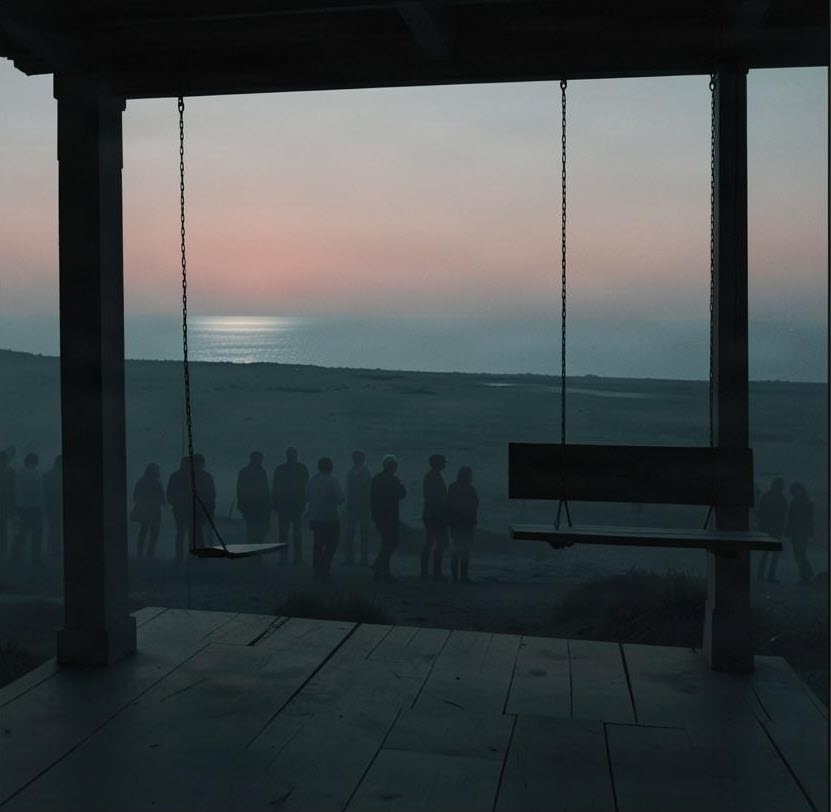
“My Porch in Timbuktu” is one of Geoffrey Reilly’s most graceful and emotionally mature lyrics. Unlike many Sapient Rain songs that lean into politics, social criticism, or cultural commentary, this song is almost entirely concerned with mortality, separation, memory, and what may or may not await us after death. It feels less like a protest song and more like a conversation whispered across the boundary between life and whatever comes next.
At its best, the song evokes the emotional territory occupied by works such as Warren Zevon’s Keep Me in Your Heart, Jackson Browne’s For a Dancer, or some of the more reflective writing of Tom Waits. It is built not on argument but on longing.
A Beautiful Premise
The opening immediately establishes an unusual perspective:
“I can barely hear you
your voice muffled by the dirt”
In a single line, Reilly places the narrator beyond death.
This is a remarkably effective opening because it avoids clichés. Most songs about death approach the subject indirectly. Here, death is present from the first verse, yet the tone is not frightening. It is curious, reflective, and almost conversational.
The follow-up question:
“Did you bring the children with you?
Is Suzy in her yellow skirt?”
adds an emotional realism that grounds the song. Rather than speaking in grand philosophical terms, the narrator asks about ordinary people and ordinary memories. That choice humanizes the lyric immediately.
Timbuktu as a Metaphor
The title is one of the song’s smartest elements. Historically, Timbuktu often functions in Western imagination as a distant, almost unreachable place. Reilly transforms that idea into a metaphorical afterlife.
The recurring image:
“from my porch in Timbuktu”
is wonderful because it combines the familiar and the unknowable. A porch suggests comfort, home, reflection, and observation. Timbuktu suggests distance and separation. Together they create a liminal space between worlds. The narrator isn’t trapped in torment.
The Chorus Is Exceptional
The chorus may be among Reilly’s strongest lyrical refrains.
“What season are we in
I’ve lost all sense of time”
The opening captures one of the song’s central ideas: time no longer functions normally after death.
Then comes:
“the cohesion of chagrin
dissolving into the sublime”
This is perhaps the most literary phrase in the song. It suggests regret gradually transforming into acceptance or transcendence. More importantly, it sounds beautiful when spoken aloud.
The chorus concludes with:
“I miss the spark inside your eyes
from my porch in Timbuktu”
That final image lands because it returns mortality to something intimate. The speaker does not miss achievements, possessions, or accomplishments. He misses another person’s eyes.
Love survives longer than identity. That’s a powerful emotional statement.
Theological Skepticism Done Well
One of the song’s strongest verses is:
“It’s nothing like they told us
those Catholic teachers lied”
followed by:
“It’s just a dark unbroken silence
and a solitude defied”
This is classic Reilly territory: skepticism toward institutional religion. What makes it effective here is its restraint. Unlike some of his more political songs, the lyric is not attacking belief systems so much as expressing surprise and disappointment.
The song remains contemplative rather than polemical.
The mystery remains intact. Listeners never receive a definitive explanation of the afterlife. Instead, they receive impressions and uncertainty. That ambiguity improves the song considerably.
The Middle Section’s Existential Curiosity
Another excellent moment appears here:
“Would it all be different
if I chose to burn to ash
would I pass through gills of minnows
or die in the fire’s flash?”
These lines explore mortality in a way that feels genuinely curious rather than fearful. The imagery of passing through minnows’ gills is unusual and memorable. Reilly often excels when combining the cosmic and the mundane, and this section demonstrates that gift.
The narrator is not asking whether heaven exists. He’s wondering whether method changes destiny. The absurdity and sincerity coexist beautifully.
Sensory Memory as Emotional Anchor
The strongest verse may actually be the third:
“I miss the sound of summer thunder
and waves crashing on the beach
Wilson Pickett’s midnight hour
and that first bite into a peach”
This is terrific songwriting.
The verse abandons abstraction and becomes intensely sensory.
These are the details people actually miss.
The reference to Midnight Hour works because it evokes a specific emotional texture without disrupting the song’s universality. The peach may be the single most effective image in the lyric. Everyone understands the fleeting perfection of that first bite.
That sensory detail communicates loss more effectively than pages of philosophical reflection could.
The Best Contradiction in the Song
The lyric reaches its emotional peak with:
“I’m in the chaos of my silence
in the loud loneliness of peace”
This is excellent writing. The contradiction captures the complexity of grief, death, and isolation. Silence becomes chaotic. Peace becomes lonely. The lines acknowledge that even calm can hurt.
These paradoxes feel emotionally true. They’re also memorable because they invite listeners to think rather than simply react.
This may be one of Reilly’s most emotionally universal works because it is less concerned with a particular political moment and more concerned with experiences every listener eventually confronts: loss, memory, love, and death.
“My Porch in Timbuktu” is one of Geoffrey Reilly’s finest lyrical achievements. It approaches death not with fear, certainty, or doctrine, but with curiosity, nostalgia, and enduring love. Its greatest strength lies in its ability to make profound questions feel personal. Rather than asking what happens after we die, it asks what we will miss when we’re gone. The answer is found not in theology or philosophy, but in children, music, peaches, beaches, thunder, and the remembered light in someone’s eyes. That combination of existential reflection and sensory humanity gives the song both literary depth and emotional accessibility. Among Sapient Rain’s catalog, it stands as one of the most moving examples of Reilly’s ability to transform large metaphysical questions into intimate, memorable pop poetry.
Lyrics for My Porch in Timbuktu
I can barely hear you
your voice muffled by the dirt
Did you bring the children with you?
Is Suzy in her yellow skirt?
Its nothing like they told us
those Catholic teachers lied
It’s just a dark unbroken silence
and a solitude defied
What season are we in
I’ve lost all sense of time
the cohesion of chagrin
dissolving into the sublime
What color is the sky
Is it red or is it blue
I miss the spark inside your eyes
from my porch in Timbuktu
Would it all be different
if I chose to burn to ash
would I pass through gills of minnows
or die in the fire’s flash?
Breathless in the darkness
your heart, a dying dove
dress threads start to loosen
their hold on what was love
What season are we in
I’ve lost all sense of time
the cohesion of chagrin
dissolving into the sublime
What color is the sky
Is it red or is it blue
I miss the spark inside your eyes
from my porch in Timbuktu
I miss the sound of summer thunder
and waves crashing on the beach
Wilson Picket’s midnight hour
and that first bite into a peach
I’m in the chaos of my silence
in the loud loneliness of peace
there is no self-reliance
when you live your life along the crease
What season are we in
I’ve lost all sense of time
the cohesion of chagrin
dissolving into the sublime
What color is the sky
Is it red or is it blue
I miss the spark inside your eyes
from my porch in Timbuktu
Have a listen:
The Glen

“The Glen” may be Geoffrey Reilly’s most emotionally accessible lyric. It deals with love, memory, marriage, regret, aging, and the lingering question of whether a lost connection can ever be recovered. From a pop songwriting perspective, this gives it a significant advantage: listeners immediately understand the emotional stakes.
The song revolves around the recurring chorus:
Remember when
we walked the Glen
down to the Manor
and back again
just passersby
to grass and sky
with inlet smiles
and sunlit eyes
This is excellent pop writing.
The phrase “Remember when” is one of the most powerful openings a songwriter can use because it instantly activates nostalgia. Almost everyone has their own version of “the Glen,” a place that becomes inseparable from a past relationship.
The strongest section may be:
Remember when
we walked no more
stopped skipping stones
along the shore
This is heartbreakingly effective.
The image of “stopped skipping stones” tells an entire story without explaining it. The listener instantly understands that something changed. The relationship didn’t end through one dramatic event. Instead, simple shared rituals disappeared.
The Wolfe Reference
Perhaps the most intellectually interesting moment is:
or is Wolfe’s
“You can’t go home again”
as true as dirt
and oxygen
This is an unusually literary allusion for a pop lyric, referencing Thomas Wolfe’s famous idea that the past cannot truly be reclaimed. Unlike the Nietzsche and Jung reference in “Time Misspent in Wonderland,” this allusion is integrated directly into the emotional narrative. Even listeners unfamiliar with Wolfe understand the meaning from context.
“The Glen” is a beautifully crafted meditation on lost love, memory, and the passage of time. Geoffrey Reilly demonstrates a lighter lyrical touch here than in many Sapient Rain songs, relying on emotional observation rather than intellectual argument. The result is a song that is both accessible and thoughtful.
Its greatest strength lies in its ability to make personal history feel universal. The Glen becomes every place where two people once believed their future was secure. The recurring question of whether love still lies dormant beneath years of disappointment gives the lyric lasting emotional resonance.
Compared with “Time Misspent in Wonderland,” it is less ambitious but more emotionally immediate. Compared with “Oxana,” it has a stronger narrative arc. Compared with “Too Small to See,” it trades conceptual originality for emotional depth.
Lyrics for The Glen
Remember when
we walked the Glen
down to the Manor
and back again
just passersby
to grass and sky
with inlet smiles
and sunlit eyes
The Cicada’s call
danced on the air
the river rolled
without a care
nature’s breath
was everywhere
Remember when
we walked no more
stopped skipping stones
along the shore
with buried secrets
in closet walls
we dodged each other
in narrow halls
We lost ourselves
and raised the kids
crossed crooked lines
and hit the skids
then peeled apart
like our parents did
Remember when
we walked the Glen
down to the Manor
and back again
just passersby
to grass and sky
with inlet smiles
and sunlit eyes
Does love lie dormant
at the Glen
under rotting leaves
and muddied Zen
or is Wolfe’s
“You can’t go home again”
as true as dirt
and oxygen
The fireflies
we used to chase
went dark forever
without a trace
and we chose to leave
love’s warm embrace
Remember when
we walked the Glen
down to the Manor
and back again
just passersby
to grass and sky
with inlet smiles
and sunlit eyes
Have a listen:
Trapped Inside the Bell Jar

“Trapped Inside the Bell Jar” is one of Geoffrey Reilly’s most literary and emotionally disciplined songs. Drawing upon the life and mythology surrounding Sylvia Plath and Ted Hughes, the lyric explores mental illness, artistic obsession, domestic fracture, and suicide with a restraint that distinguishes it from many of Sapient Rain’s more polemical works. Rather than offering social commentary or political outrage, Reilly enters the realm of biographical tragedy and psychological portraiture.
What makes the song particularly compelling is its focus on imagery and atmosphere. It does not attempt to explain Sylvia Plath. Instead, it presents fragments of her emotional landscape and allows the listener to sit inside the suffocating world that ultimately consumed her.
A Strong Literary Foundation
The opening verse immediately establishes both subject and tone:
“Sylvie and Ted lie in a bed
of false hope and betrayal”
This is efficient storytelling. In two lines, Reilly introduces both central figures and the emotional conflict that would come to define much of their public legacy.
The following lines:
“in poems and prose
where no one knows
veracity from portrayal”
are particularly effective. This is not simply a reference to Plath’s writing. It acknowledges the decades-long struggle to separate historical reality from literary mythology. The line recognizes that both Plath and Hughes have become symbolic figures whose lives are often interpreted through their art. That is a sophisticated observation to open a three-minute song.
The Bell Jar as Symbol
The title provides the song’s central image. Plath’s The Bell Jar functions here as more than a literary reference. It becomes a metaphor for psychological isolation and emotional suffocation. The chorus captures this effectively:
“Trapped inside the Bell Jar
skinned knees pulled to her chest”
This is perhaps the strongest image in the song. It transforms a famous literary symbol into a physical posture. The listener can immediately visualize vulnerability, fear, and retreat. The image of knees pulled to the chest evokes someone trying to make themselves smaller, safer, less exposed. The emotional effect is immediate.
Reilly’s Portrayal of Mental Illness
One of the song’s strengths is its avoidance of melodrama. Rather than describing mental illness in abstract terms, Reilly embeds it in tangible details:
“A suffocating madness
lets the dullness settle in”
The pairing of madness and dullness is insightful. Depression is often incorrectly imagined as constant emotional intensity. Reilly recognizes that numbness can be just as destructive as anguish.
Likewise:
“a manic wit, the perfect fit
of grit inside her grin”
This is excellent writing. The line acknowledges both Plath’s intelligence and the hidden struggle beneath it. The alliteration and internal rhythm make it memorable while preserving emotional ambiguity.
The Song’s Best Verse
Arguably the strongest section is:
“She digs her knife
into the headboard
etching hearts into the wood
shavings fall
like paper dolls
of misspent womanhood”
This is beautifully constructed. The image works on several levels. The act of carving hearts suggests love, frustration, desperation, even self-expression. The falling shavings become:
“paper dolls
of misspent womanhood”
which is one of the song’s most evocative phrases. The image feels simultaneously domestic and tragic. It captures the erosion of identity without stating it directly. This is Reilly at his best: showing rather than telling.
The Chorus Is Effective Through Simplicity
The repeated refrain:
“Cracked, she cried and fell far
too far to be addressed”
functions well because of its ambiguity. The line can be interpreted emotionally, psychologically, or literally. “Too far to be addressed” suggests a point beyond intervention. A point where language, treatment, concern, or love can no longer reach. That idea lingers after the song ends. The chorus may not be among Reilly’s catchiest in a conventional pop sense, but it is emotionally resonant and thematically cohesive.
The Final Verse’s Restraint
The closing section demonstrates considerable discipline:
“With tape and wet tea towels
sealing windows and locked doors”
The lyric resists sensationalizing the tragedy. Instead, it presents specific details with quiet matter-of-factness. That restraint gives the passage dignity.
The following lines:
“Please call Doctor Horder
Her note said nothing more”
are particularly effective because they avoid embellishment. The simplicity increases the emotional impact. Reilly trusts the audience to understand the gravity of what is happening.
The Most Devastating Moment
The line:
“Nick and Frieda safe and sound
Behind their bedroom door”
may be the song’s emotional peak. After several verses focused on Plath’s internal experience, the lyric suddenly reminds listeners of the ordinary family world surrounding the tragedy. The contrast is heartbreaking. The song widens from individual suffering to the human consequences that remain afterward. It is one of the few moments where the lyric fully extends beyond Plath herself.
“Trapped Inside the Bell Jar” is one of Geoffrey Reilly’s most mature and literate compositions. Rather than turning Sylvia Plath into a symbol or political argument, the lyric treats her as a deeply troubled, intensely gifted human being struggling against forces she could neither fully understand nor ultimately overcome. The song’s strongest moments arise from its concrete imagery: carved hearts, paper-doll shavings, tea towels on windows, and children sleeping behind closed doors. These details transform a well-known literary tragedy into something immediate and personal. While the song may not possess the pop immediacy of “Generation Blue” or the hook-driven accessibility of “Love Grenade,” it compensates with nuance, atmosphere, and emotional authenticity. The song stands as one of Reilly’s most accomplished examples of character-centered storytelling and literary songwriting.
Lyrics from Trapped Inside the Bell Jar
Sylvie and Ted lie in a bed
of false hope and betrayal
in poems and prose
where no one knows
veracity from portrayal
A suffocating madness
let’s the dullness settle in
a manic wit, the perfect fit
of grit inside her grin
Trapped inside the Bell Jar
skinned knees pulled to her chest
Cracked, she cried and fell far
too far to be addressed
Her pain becomes obsession
A catalyst of sorts
Words explode
in expressions
of poisonous retorts
She digs her knife
into the headboard
etching hearts into the wood
shavings fall
like paper dolls
of misspent womanhood
Trapped inside the Bell Jar
skinned knees pulled to her chest
Cracked, she cried and fell far
Too far to be addressed
With tape and wet tea towels
sealing windows and locked doors
the sad girl that things happen to
dies on the kitchen floor
“Please call Doctor Horder “
Her note said nothing more
Nick and Frieda safe and sound
Behind their bedroom door
Trapped inside the Bell Jar
skinned knees pulled to her chest
Cracked, she cried and fell far
Too far to be addressed
Have a Listen:
Love Grenade

“Love Grenade” is one of Geoffrey Reilly’s most compact and purely pop-oriented lyrics in the Sapient Rain catalog. Unlike songs such as “I See Angels” or “Mapleton or Miracle,” which build elaborate narratives and social themes, “Love Grenade” is driven almost entirely by attitude, imagery, and emotional combustion. It feels less interested in telling a coherent story than in capturing the chaotic experience of being attracted to someone who is simultaneously magnetic, destructive, exhilarating, and impossible to control. The song succeeds because it understands a fundamental truth of pop songwriting: memorable phrases often matter more than literal clarity.
The opening lines establish the tone immediately:
“You’re as distant as a galaxy
a brackish starlit void”
This is classic Reilly territory. Cosmic imagery collides with emotional description.
The word galaxy suggests wonder and beauty while brackish void introduces corruption and emptiness. The contradiction makes the target of the song intriguing. They are both attractive and inaccessible.
The phrase:
“a Galileo fallacy of
Rocket Ships deployed”
is more enigmatic. It sounds intriguing and rhythmic, though its meaning is less clear. This is an example of Reilly prioritizing texture and imagery over strict logic. In a song like this, that’s often the right choice.
Sound Matters More Than Meaning
One of the most interesting aspects of “Love Grenade” is that many lines are stronger sonically than semantically. For example:
“a cherry blasting serenade”
is evocative, but difficult to pin down literally.
Likewise:
“that burned your upside down”
is not a phrase listeners can easily define. Yet both lines are memorable because they sound musical.
This is where Reilly’s pop instincts become evident. Great pop lyrics often function emotionally rather than intellectually. Listeners respond to rhythm, imagery, and feeling before they analyze meaning. In that regard, these lines succeed.
“Love Grenade” showcases Geoffrey Reilly’s talent for crafting striking pop-rock imagery and memorable hooks. It is less a story than a controlled explosion of metaphors, built around the excellent central conceit of love as an emotional explosive device. While some lyrics feel deliberately impressionistic and occasionally sacrifice clarity for sound, the song’s momentum, inventive character sketches, and highly effective chorus make it one of Sapient Rain’s more immediately accessible tracks. It may not have the emotional gravity of Reilly’s most ambitious writing, but it demonstrates something equally valuable: a keen understanding that great pop songwriting often begins with a phrase listeners cannot get out of their heads. In “Love Grenade,” that phrase arrives in the title and never lets go.
Lyrics for Love Grenade
You’re as distant as a galaxy
a brackish starlit void
a Galileo fallacy of
Rocket Ships deployed
You’re the drunken saint
of unrestraint
the banger at the ball
a bourbon shot
without a plot
a fist inside the brawl
I fell upon your love grenade
pressed my gut into the ground
a cherry blasting serenade
that burned your upside down
You’re the fire-eyes
that I despise
the hair trigger on the gun
the tightly wound
frenetic sound
of punk rock on the sun
I fell upon your love grenade
pressed my gut into the ground
a cherry blasting serenade
that burned your upside down
You’re the drunken saint
of unrestraint
the banger at the ball
a bourbon shot
without a plot
a fist inside the brawl
I fell upon your love grenade
pressed my gut into the ground
a cherry blasting serenade
that burned your upside down
Have a listen:
I See Angels

“I See Angels” may be one of Geoffrey Reilly’s most ambitious lyrics for Sapient Rain because it attempts something extraordinarily difficult: explaining the psychology of alienated young men, school shooters, social outcasts, and self-destructive rage without excusing any of it. The song is simultaneously a character study, a social critique, and a lament for lives that seem destined for tragedy.
Unlike many protest songs that attack institutions from the outside, “I See Angels” climbs inside the mind of someone heading toward catastrophe and asks how they got there. As a piece of songwriting, it is often powerful, occasionally uncomfortable, and surprisingly effective in its pop construction.
The lyric’s most difficult moment arrives in:
“I’m the cryptic manifesto
The video online
The AR-15 lover-boy
Who grew-up Columbine”
This is arguably the song’s sharpest and most dangerous writing. It forces listeners into uncomfortable territory. Reilly is examining the cultural mythology that sometimes surrounds mass shooters and online radicalization.
Many songs about violence identify villains.
“I See Angels” identifies wounds.
That distinction is crucial. The narrator is never portrayed as heroic. But neither is he portrayed as a cartoon monster. Instead Reilly traces a chain:
Loneliness → ridicule → alienation → rage → violence.
The song suggests that every horrific news story once began with a neglected child. That observation gives the lyric a tragic dimension beyond politics.
The Ending’s Emotional Power
The final verse may be the strongest in the song:
“I’m the suicide by cop
On the stairway in my school”
followed by:
“I’m the little boy with crooked teeth
That others ridiculed”
After all the references to manifestos, guns, and rage, the narrator collapses back into childhood. The effect is devastating. The song ends not with the violence but with the wounded child who existed before it.
Then the angels return.
That structural decision is brilliant because it reframes the entire song. The chorus no longer feels mystical. It feels mournful. The angels may now represent lost children, lost innocence, or lives that could have been saved.
“I See Angels” is one of Geoffrey Reilly’s most mature and emotionally ambitious lyrics. Its greatest achievement is that it manages to generate sympathy for suffering without generating sympathy for violence. The recurring angel imagery gives the song a poetic, almost spiritual dimension, while the first-person narrative keeps the tragedy intimate and human. At its best, the song feels less like a political statement and more like a warning, a lament, and a plea to notice vulnerable people before they disappear into anger, despair, or infamy. Among Sapient Rain’s catalog, it stands as one of the band’s most compelling examples of how socially conscious songwriting can retain both lyrical depth and pop accessibility.
Lyrics for I See Angels
I’m Calvin’s lonely cousin
the one without a friend
The darkly quiet moody kid
The one who couldn’t blend
I’m the smoker in the stairwell,
skipping school all day
the fall-between-the-crack-type-kid
the one who slips away
I see angels circling the sun
feathered wings and halos
golden and hand-spun
Frozen little angels
Circling the sun
bursting into rain drops
cleansing everyone
I’m the ink inside the headlines
the lead story on the news
The kid the network anchor says
was surely born to lose
I’m the details at eleven
a community in shock
I’m the often-bullied quirky kid
who lived just up the block
I see angels circling the sun
feathered wings and halos
golden and hand-spun
Frozen little angels
Circling the sun
bursting into rain drops
cleansing everyone
I’m a parent’s darkest nightmare
I’m my doctors deep concern
I’m the angst that no one seems to get
the match about to burn
I’m an issue in the social science
circles of the day
I’m the brush it underneath the rug
that never goes away
I’m the isolated Incel
The bullet in the gun
The angry white American
Who’s blaming everyone
I see angels circling the sun
feathered wings and halos
golden and hand-spun
Frozen little angels
Circling the sun
bursting into rain drops
cleansing everyone
I’m the cryptic manifesto
The video online
The AR-15 lover-boy
Who grew-up Columbine
I’m the one who gave up caring
I’m the anger and the rage
I’m the finger on the trigger
I’m the tiger in the cage
I’m the suicide by cop
On the stairway in my school
I’m the little boy with crooked teeth
That others ridiculed
I see angels circling the sun
feathered wings and halos
golden and hand-spun
Frozen little angels
Circling the sun
bursting into rain drops
cleansing everyone
Have a listen:
New Boy Paranormal

“New Boy Paranormal” is arguably one of Geoffrey Reilly’s boldest and most provocative lyrics. It tackles male loneliness, incel culture, online radicalization, social isolation, and the psychological effects of life lived through screens. Unlike many songs that approach these topics indirectly, Reilly places them front and center, often with biting satire and uncomfortable specificity.
From a pop songwriting perspective, the song is fascinating because it balances two competing impulses: condemnation and compassion. The lyric spends much of its runtime mocking its subjects, only to end by asking how they might be helped. That tension ultimately becomes the song’s greatest strength.
The Central Metaphor
The song’s most effective idea is contained in its title and chorus:
they’re the new-boy paranormal
walking ghosts and talking shit
This is an excellent pop concept. The notion that socially disconnected young men have become a kind of modern ghost is both memorable and emotionally resonant. The “paranormal” label suggests people who are physically present but psychologically absent, specters wandering through digital spaces rather than participating in real life.
Pop songs often benefit from a strong framing metaphor. Here, Reilly finds one that is unusual, contemporary, and rich with interpretive possibilities. The phrase “walking ghosts” is particularly powerful because it condenses the song’s entire thesis into two words.
The song wastes no time establishing its subject.
Incels with barbells
screaming on twitter
Immediately, listeners know they’re entering satirical territory. The alliteration of “Incels with barbells” is catchy and memorable. It sounds almost like a newspaper headline or social media meme, which suits the song’s subject matter.
The following lines:
can’t chat-up the ladies
frustrated and bitter
are less subtle but highly effective in terms of accessibility. The emotional condition of the characters is instantly clear. Unlike some Sapient Rain songs that gradually reveal their themes, this one begins with a direct punch.
The emotional center of the song appears here:
Looking for meaning
in meaningless places
This is arguably the lyric’s strongest insight. The line broadens the song beyond incel culture and makes it universal. Many listeners, regardless of gender or ideology, can relate to searching for fulfillment in places that ultimately provide none.
The subsequent lines:
With eyes gazing downward
they all barely see
the world of the living
their humanity
show Reilly at his best. The language is simple, visual, and emotionally clear. Unlike some of his more densely literary lyrics, these lines require no decoding.
The most controversial passage is likely:
Blue balls in brown shirts
they lace up their boots
tiki torch toddlers
throwing Nazi salutes
Artistically, this is one of the most powerful moments in the lyric. The alliteration is memorable. The imagery is vivid. The criticism is unmistakable. From a pop standpoint, however, it may also be one of the most polarizing moments because it introduces explicit political labeling into what had largely been a sociological portrait.
Some listeners will view this as an important warning about radicalization. Others may feel it reduces a complex phenomenon to caricature. Whether one sees this as a strength or weakness will depend heavily on the listener.
One particularly memorable image is:
Fiber-optic geldings
alone inside their heads
This may be the most original phrase in the song.
“Gelding” is a loaded metaphor, suggesting emotional, social, or psychological castration rather than literal impotence. Combined with “fiber-optic,” it creates a striking image of technologically connected but emotionally diminished individuals. It is clever, unsettling, and highly memorable. This feels like classic Geoffrey Reilly: intellectually ambitious, slightly dangerous, and impossible to ignore.
“New Boy Paranormal” is one of Geoffrey Reilly’s most socially observant and psychologically ambitious lyrics. It captures a generation of disconnected young men drifting through digital spaces, searching for meaning, intimacy, and identity. The lyric is frequently funny, sometimes harsh, occasionally heartbreaking, and unexpectedly compassionate.
Its greatest achievement is that it resists ending in contempt. After cataloging loneliness, resentment, obsession, and radicalization, the song ultimately returns to empathy. That final question transforms the lyric from social commentary into human inquiry.
Compared with “1.5 Degrees Celsius,” it is more character-driven. Compared with “Oxana,” it examines loneliness from the opposite side of the screen. Compared with “The Glen,” it is less emotionally universal but more culturally urgent.
Lyrics for New Boy Paranormal
Incels with barbells
screaming on twitter
can’t chat-up the ladies
frustrated and bitter
Communally living
in deaf echo chambers
dimwitted dice-throwing
zombie-like gamers
Fiber-optic geldings
alone inside their heads
they bathe in Incel chatrooms
masturbate beside their beds
they’re the new-boy paranormal
walking ghosts and talking shit
the no-screw-boy semi-formal
stalking post sand keeping fit
Looking for meaning
in meaningless places
they screen-scroll bikinis
and beautiful faces
With eyes gazing downward
they all barely see
the world of the living
their humanity
Networked in sorrow
they borrow from pain
they search for tomorrow
with nothing to gain
They’re the new-boy paranormal
walking ghosts and talking shit
the no-screw-boy semi-formal
stalking posts and keeping fit
More connected than ever
yet still isolated
they’re captive less active
they’re chained
and they’re gated
Vid links and jpegs
the shallow and vain
everyone jumps on the
“follow me!” train
Blue balls in brown shirts
they lace up their boots
tiki torch toddlers
throwing Nazi salutes
Fiber-optic geldings
alone inside their heads
they bathe in Incel chatrooms
masturbate beside their beds
They’re the new-boy paranormal
walking ghosts and talking shit
the no-screw-boy semi-formal
stalking posts and keeping fit
How can we help them
these boys in deep distress
trapped inside a world
of unending loneliness
Have a listen:
Mangled by the Madness
“Mangled by the Madness” is one of Geoffrey Reilly’s most focused and emotionally cohesive lyrics. Unlike many Sapient Rain songs that expand outward into social criticism, politics, or cultural commentary, this song turns inward and remains there. It is a meditation on depression, obsession, mental illness, and suicide, written from a perspective that feels simultaneously personal and universal.
What makes the song notable is not its originality of subject. Popular music is filled with songs about sadness and despair. What distinguishes “Mangled by the Madness” is the consistency of its imagery and the effectiveness of its central refrain. Reilly creates a psychological landscape that feels claustrophobic, exhausting, and tragically believable.
A Strong Opening Through Physical Imagery
The song opens with a series of interior landscapes:
“In the alleys of your heart
In the backstreets of your brain”
These are effective images because they transform emotional suffering into geography. Depression is not described as an emotion but as a place. This is a recurring strength of Reilly’s writing. He often builds emotional states through physical environments rather than abstract declarations.
The imagery continues:
“from the constant buzzing beltway
under rusted lock and chain”
The combination of “buzzing beltway,” “rusted lock,” and “chain” creates an atmosphere of entrapment and noise. The mind becomes crowded, industrial, and inescapable. The opening verse immediately establishes mood without needing to explain it.
The chorus is where Reilly’s pop instincts become most apparent:
“So tangled up in sadness
so tangled up in you
so mangled by a madness
so tangled up in blue”
This is an excellent chorus. Not because it says something revolutionary, but because it sounds good.
The phrase:
“mangled by a madness”
is particularly effective.
The alliteration makes it memorable while the wording communicates violence. The narrator is not merely affected by mental illness but damaged by it. From a pop songwriting perspective, the chorus succeeds because it is catchy without feeling lightweight. Listeners can remember it after one hearing.
That is often harder to achieve than poetic complexity.
The closing line of the chorus inevitably recalls Dylan’s famous phrase:
“tangled up in blue”
Reilly appears fully aware of this reference. In lesser hands, such borrowing might feel derivative. Here it functions as a clever cultural shorthand. Dylan’s phrase originally suggested romantic confusion and emotional complexity. Reilly repurposes it for depression and psychological suffering. The reference adds depth without overwhelming the song’s own identity.
“Mangled by the Madness” is one of Geoffrey Reilly’s strongest explorations of psychological suffering. Rather than offering solutions or moral lessons, it immerses listeners in the lived experience of depression, obsession, and emotional exhaustion. Its greatest achievement lies in its chorus, whose blend of alliteration, repetition, and emotional immediacy gives the song a memorable pop foundation. While a few lyrics occasionally lean toward the overly literal, the song’s consistent imagery, haunting atmosphere, and devastating final perspective shift make it one of the more powerful and emotionally resonant entries in the Sapient Rain catalog. It succeeds because it does not glamorize despair, nor does it simplify it. Instead, it portrays mental illness as a quiet, grinding force that can remain invisible until it is tragically too late.
Lyrics for Mangled by the Madness
In the alleys of your heart
In the backstreets of your brain
from the constant buzzing beltway
under rusted lock and chain
In the pain inside your sternum
the boiled marrow in your bones
lurks an ever-growing darkness
over jagged rocks and stones
In black valleys of depression
and the not so grand delusions
In a vice grip of obsession
In your manic-plagued illusions
So tangled up in sadness
so tangled up in you
so mangled by a madness
so tangled up in blue
With a never-ending stipend
of more than you can bear
an abundant over-ripened
softened fruit
of deep despair
An undefined sad solitude
that something is amiss
always on that taunting edge
of that welcoming abyss
So tangled up in sadness
so tangled up in you
so mangled by a madness
so tangled up in blue
an open-ended sadness
a journey never-ending
exhausted by the battle plan
of constantly pretending
You’re looking for an exit
a respite from the black
An offramp from the sadness
a train that jumps the track
“I can’t believe he did it
I can’t believe he’s gone
no one truly knew
the darkness of his dawn”
So tangled up in sadness
so tangled up in you
so mangled by a madness
so tangled up in blue
Have a listen:
Barbarians at the Gate
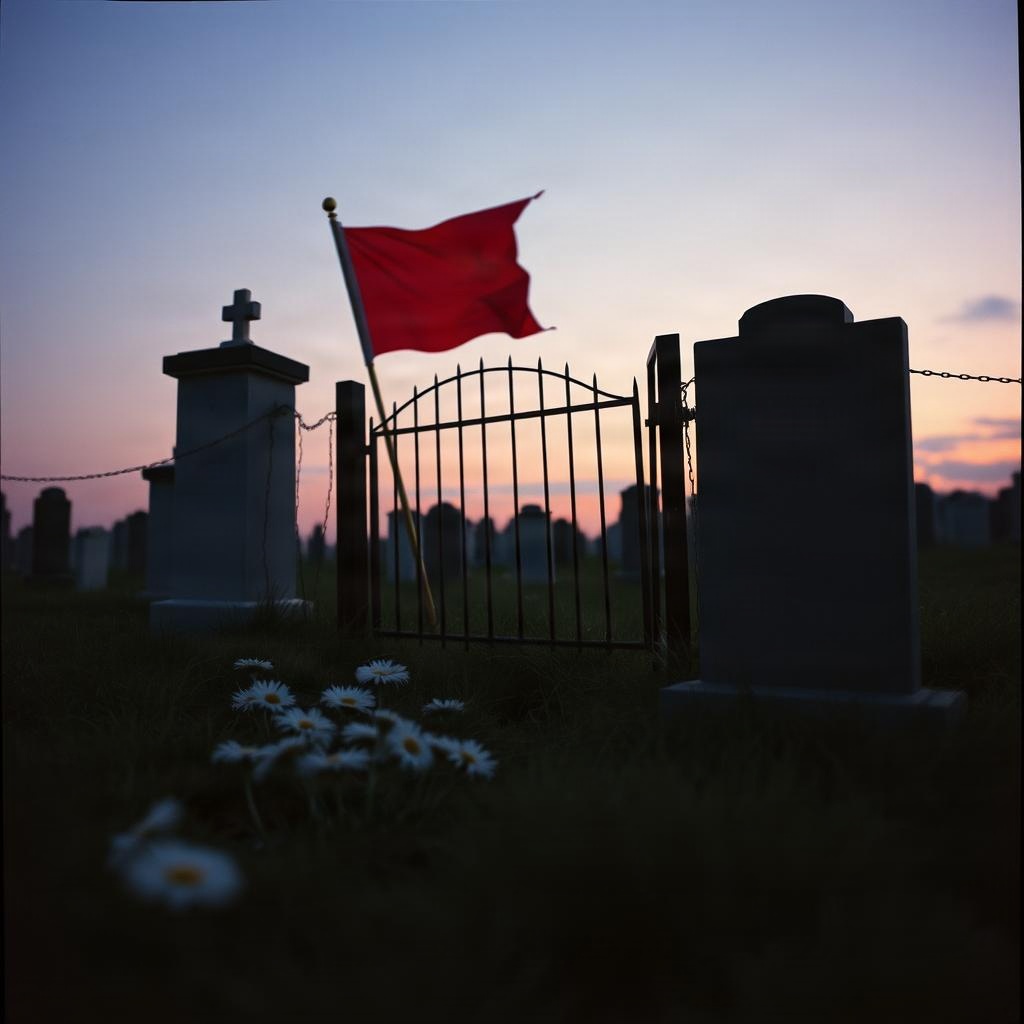
“Barbarians at the Gate” is one of Geoffrey Reilly’s most overtly political lyric statements, functioning less as a character-driven narrative and more as a protest song built around a recurring warning: the removal of one dangerous figure does not eliminate the forces that produced him. From a pop songwriting perspective, the lyrics are simultaneously effective and limited. They succeed in delivering a memorable message with clarity and repetition, but they sacrifice some of the ambiguity, emotional complexity, and universality that often give great pop lyrics their staying power.
The Song’s Greatest Strength: Clarity
A pop song lives or dies by whether listeners can immediately grasp its central idea. Reilly succeeds admirably here.
The repeated chorus:
The despot is dead
he’s pushing up daisies
but there’s a fresh bumper-crop
of the morally hazy
followed by
With a blueprint for hate
tightly clenched in their hand
they arrive at the gate
to take over the brand
provides a concise and memorable thematic summary. The imagery is accessible. “Pushing up daisies” is a familiar expression for death, while “bumper-crop” cleverly suggests that authoritarian tendencies reproduce themselves faster than society can eliminate them. The title phrase, “Barbarians at the Gate,” is particularly effective because it invokes a recognizable historical and cultural metaphor. It suggests civilization under siege without requiring lengthy explanation. In pop songwriting, strong titles often carry emotional and conceptual weight before the song even begins, and this title accomplishes exactly that.
As a political pop lyric, “Barbarians at the Gate” is effective because it is memorable, rhythmic, and thematically clear. Geoffrey Reilly demonstrates a strong instinct for hooks and recurring imagery, particularly in the chorus. The title is excellent, the central metaphor is compelling, and the repeated warning about ideological succession gives the song a coherent structure.
Its main limitation is that the lyric occasionally abandons poetry for polemic. The strongest moments emerge when Reilly trusts metaphor (“blueprint for hate,” “bumper-crop of the morally hazy,” “barbarians at the gate”). The weaker moments are the direct condemnations that tell listeners what to think rather than allowing them to arrive there themselves.
Lyrics for Barbarians at the Gate
The tearful will bow,
they’ll stand over the grave
while the rest celebrate
with a dance and a wave
Some will be happy
while others will mourn
and there will be those
who bathe in the scorn
The despot is dead
he’s pushing up daisies
but there’s a fresh bumper-crop
of the morally hazy
With a blueprint for hate
tightly clenched in their hand
they arrive at the gate
to take over the brand
Aren’t Americans tired
from all of the hate?
and the false empty promise
to make America great.
Is America ready
to turn the dark page
and be reliably steady
on the world stage
The despot is dead
he’s pushing up daisies
but there’s a fresh bumper-crop
of the ethically lazy
With a blueprint for hate
tightly clenched in their hand
they arrive at the gate
to take over the brand
None of us want
a lying pig in the pulpit
calling out others
for being the culprit
We don’t need
another race-baiting liar
a grifting, corrupt
constitution denier
The despot is dead
he’s pushing up daisies
but there’s a fresh bumper-crop
of the mournfully crazy
With a blueprint for hate
tightly clenched in their hand
they arrive at the gate
to take over the brand
Have a listen:
Fodder in the Fever Dream
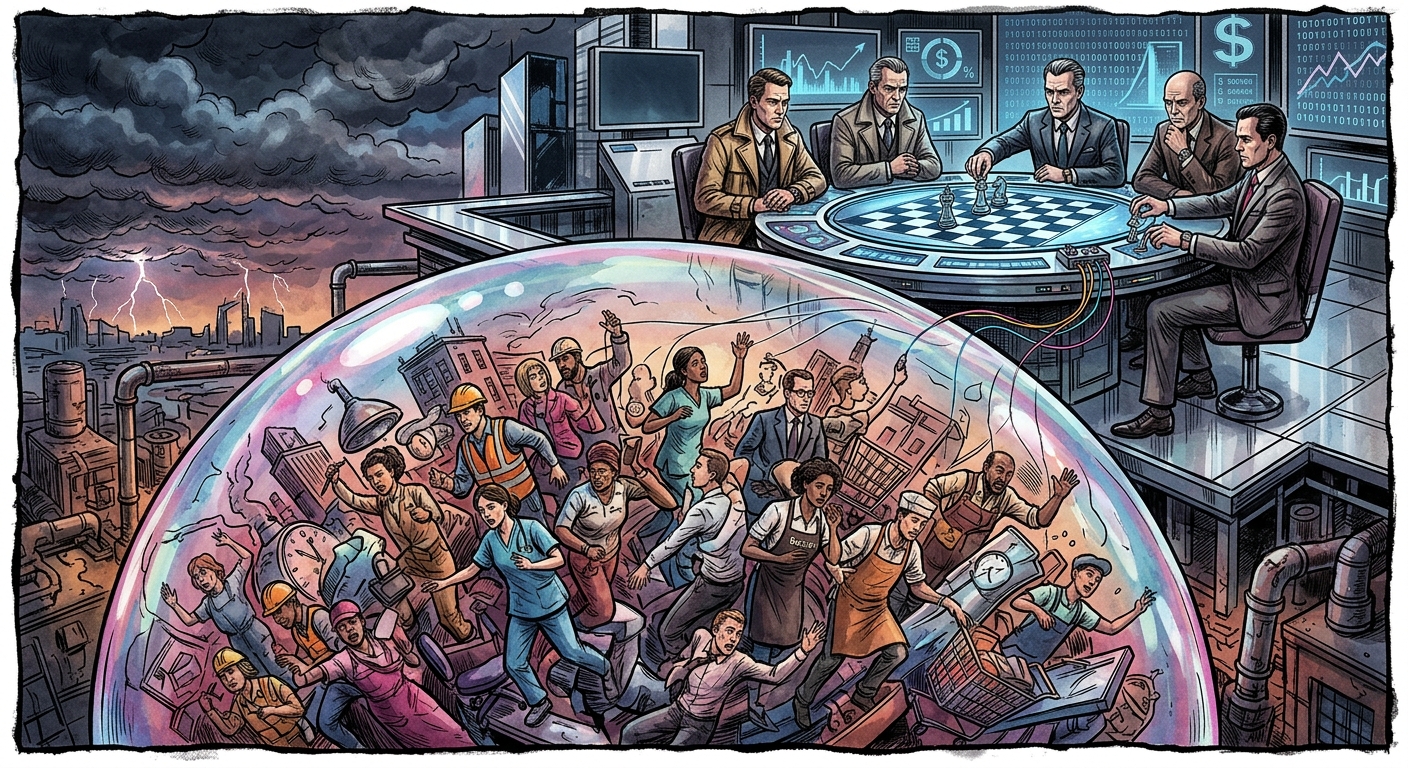
“Fodder in the Fever Dream” is Geoffrey Reilly at his most confrontational, topical, and satirical. The song takes aim at modern oligarchic power, social media platforms, tech billionaires, data capitalism, and the growing influence of unelected technological elites. Unlike “The Glen,” which derives its strength from intimacy, or “Too Small to See,” which builds around a single elegant metaphor, “Fodder in the Fever Dream” succeeds through outrage, wit, and a chorus that is difficult to forget.
As a pop lyric, it is one of Sapient Rain’s most immediately memorable political songs, largely because Reilly understands that effective protest writing often needs a catchy villain as much as a catchy melody.
The standout achievement is unquestionably the chorus:
We’re fodder in the fever dream
Of oligarchs and bros
This is an outstanding hook. A great pop chorus often reduces a complicated social argument into a phrase listeners can remember after one hearing. “Fodder in the fever dream” does exactly that. The phrase combines three emotional ideas:
- powerlessness (“fodder”)
- irrationality (“fever dream”)
- concentrated elite influence (“oligarchs and bros”)
In just eight words, Reilly establishes the entire premise of the song.
Even stronger is the unexpected line:
They used to be un-fuckable
But now they run the show
Whether listeners laugh, cringe, cheer, or disagree, they are unlikely to forget it. From a pop standpoint, memorability matters more than politeness. This line is memorable.
Very memorable.
It also performs an important dramatic function. The song is discussing extraordinarily powerful people, but instead of portraying them as grand or intimidating, it ridicules them. Satire can often undermine power more effectively than anger.
The most effective writing may occur here:
They ramp up, clamp or amplify
the content that we see
This is simple, direct, and understandable. It addresses algorithmic influence without becoming technical.
Then comes:
they light the lamps
and tramp their lies
through our democracy
The rhythm becomes more aggressive and musical. The internal rhyming and alliteration create momentum. This is one of the places where Reilly successfully transforms political commentary into song language rather than essay language.
“Fodder in the Fever Dream” is an intelligent and highly memorable political lyric that succeeds because it understands a crucial principle of pop songwriting: messages become powerful when they are attached to unforgettable phrases. Geoffrey Reilly transforms concerns about technological power, oligarchy, surveillance capitalism, and democratic erosion into a chorus that listeners can immediately latch onto.
The song occasionally drifts into abstract terminology, and its emotional palette is somewhat limited by its emphasis on critique. Nevertheless, the wit, focus, and memorable hook more than compensate.
The title is excellent, the chorus is outstanding, and the satire is sharp. While it lacks the emotional breadth of “The Glen” and the poetic richness of “Time Misspent in Wonderland,” it may be Geoffrey Reilly’s most effective fusion of political commentary and pop-song craftsmanship. The phrase “fodder in the fever dream of oligarchs and bros” is the kind of hook that can carry an entire song, and here it does exactly that.
Lyrics for Fodder in the Fever Dream
They strut around like roosters
cuz they’re always in the know
they’re in the hallowed halls of congress
sipping Bourbon and Bordeaux
They lobby hobby politicians
they challenge every oversight
they’re launching eyes into the skies
with their Starlink satellites
They ramp up, clamp or amplify
the content that we see
they light the lamps
and tramp their lies
through our democracy
[Chorus]
We’re fodder in the fever dream
Of oligarchs and bros
They used to be un-fuckable
But now they run the show
I think it’s time we ask ourselves
How far we let this go?
being fodder in the fever dreams
Of oligarchs and bros
We’re addicted and dependent
on the platforms that they own
There’s no dopamine transcendence
from the swiping on our phones
When our technocracy is born
and dystopia takes hold
when meritocracy is scorned
when we buckle and we fold
the dull Hum of Data centers
that drain the rivers dry
will turn buyers into renters
as they carbonize our skies
[Chorus]
We’re fodder in the fever dream
Of oligarchs and bros
They used to be un-fuckable
But now they run the show
I think it’s time we ask ourselves
How far we let this go?
being fodder in the fever dreams
Of oligarchs and bros
Have a listen:
Seeped in the Seventies

“Seeped in the Seventies” is one of Geoffrey Reilly’s most nostalgic and culturally observant songs, a lyric that looks backward not simply to remember childhood but to examine how a generation was shaped by the social, political, and cultural currents flowing beneath everyday life. Unlike many Sapient Rain songs that focus on contemporary anxieties, this one functions as a memoir in miniature. It captures the textures of growing up during the 1970s while suggesting that children often absorb far more from their environment than adults realize.
The song succeeds because it balances warm nostalgia with a subtle awareness that the decade’s innocence was constantly shadowed by war, scandal, and cultural uncertainty.
The title itself is effective.
“Seeped in the Seventies” suggests immersion rather than simple residence. The narrator wasn’t merely alive during the decade. He was soaked in it, shaped by it, colored by it. That distinction becomes the song’s governing idea. The lyric isn’t simply a list of memories. It’s an exploration of how an era gradually seeps into a person’s worldview.
The first verse is remarkably economical:
“Darkly sarcastic and sardonically wry
We hummed and we danced to American Pie”
This is an effective opening because it introduces both tone and cultural reference simultaneously.
“American Pie” is more than a song title here. It serves as a shorthand for a generation’s soundtrack.
The verse continues:
“Rolling thunder over head
Kool-Aid, Keds, and Wonder Bread”
This is classic memory writing. Reilly understands that nostalgia lives in details.
Kool-Aid.
Keds.
Wonder Bread.
The specifics immediately create a recognizable world. The listener doesn’t simply hear about the 1970s. They can almost smell and taste it.
One of the song’s strongest achievements is its juxtaposition of childhood innocence with adult turmoil.
Consider:
“Vietnam served us the blues
Cronkite was the nightly news”
These lines demonstrate how national events filtered into ordinary households. Children may not have fully understood Vietnam or politics, but they absorbed the atmosphere.
Likewise:
“Worry traveled through the air
And stuck to faces everywhere”
This may be one of the song’s best lines. Anxiety becomes physical. Something almost airborne. Children often sense emotional realities long before they can articulate them, and Reilly captures that phenomenon beautifully.
Reilly’s Gift for Cultural Observation
The middle section contains an impressive inventory of period details:
“Jungle-gyms and trampolines
Wacky Packs and Mad Magazine”
and
“Baseball hats and Spider bikes
Dad’s Gannsett beer Mom’s Lucky Strikes”
This is some of the song’s strongest writing because it avoids abstraction entirely. The decade comes alive through objects. These details feel authentic rather than researched. The specificity creates emotional credibility. Listeners who lived through that era will likely recognize pieces of their own childhoods in these images.
The Watergate Material Works Surprisingly Well
One challenge facing any nostalgia song is avoiding sentimentality. Reilly avoids that trap by repeatedly introducing historical unrest.
For example:
“Watergate was all around
in our sight and in our sound”
The line works because Watergate is presented less as a political event and more as an environmental condition. Children didn’t necessarily understand the details. But they felt its presence. The next lines deepen the idea:
“it wormed its way into our head
that innocence was finally dead”
This is one of the song’s most important observations. The lyric suggests that childhood and national innocence were eroding simultaneously. That insight elevates the song beyond a simple scrapbook of memories.
The Song’s Strongest Verse
Arguably the most insightful writing arrives here:
“in undercurrents a subtext grew
a dye was cast for me and you
we dipped our bread into the stew
enjoyed the dark side of our view”
This is the point where nostalgia transforms into social commentary. Reilly argues that a generation’s worldview emerged not from explicit lessons but from cultural undercurrents. The metaphor of dipping bread into the stew is especially effective. Children absorb the cultural environment around them whether they intend to or not. The image is unusual, memorable, and thematically rich.
“Seeped in the Seventies” is one of Geoffrey Reilly’s most successful nostalgia-driven songs because it understands that childhood memories never exist in isolation. They are shaped by the news on television, the conversations around the dinner table, the fears adults carry, and the cultural atmosphere that quietly surrounds young lives. Through wonderfully specific details like Kool-Aid, Wonder Bread, Wacky Packs, duck-duck-goose, Lucky Strikes, and thermoses of apple juice, Reilly creates a vivid portrait of an era. Yet beneath the fond memories runs a darker current of Vietnam, Watergate, and diminishing innocence. That tension is what gives the song its staying power. More than a remembrance of the 1970s, it is an exploration of how a generation came to see the world, one school day, news broadcast, and childhood ritual at a time.
Lyrics for Seeped in the Seventies
Darkly sarcastic and sardonically wry
We hummed and we danced to American Pie
Rolling thunder over head
Kool-Aid, Keds, and Wonder Bread
Vietnam served us the blues
Cronkite was the nightly news
Worry traveled through the air
And stuck to faces everywhere
They shipped us to the VanHoff School
We learned about the golden rule
Over finger paints and duck-duck goose
and thermoses of apple juice
Jungle-gyms and trampolines
Wacky Packs and Mad Magazine
Baseball hats and Spider bikes
Dad’s Gansett beer Mom’s Lucky Strikes
Kick Ball, Fishing, Doorbell ditch
Watching reruns of Bewitched
Nixon, Agnew, and John Dean
Shaving cream on Halloween
They shipped us to the VanHoff School
We learned about the golden rule
Over finger paints and duck-duck goose
and thermoses of apple juice
Watergate was all around
in our sight and in our sound
on the news and in the paper
the Viet Cong and foiled caper
It lurked and hovered overhead
Pages written and words were said
it wormed its way into our head
that innocence was finally dead
in undercurrents a subtext grew
a dye was cast for me and you
we dipped our bread into the stew
enjoyed the dark side of our view
They shipped us to the VanHoff School
We learned about the golden rule
Over finger paints and duck-duck goose
and thermoses full of apple juice
They shipped us to the VanHoff School
We learned about the golden rule
Over finger paints and duck-duck goose
and thermoses of apple juice
Have a listen:
Sapient Rain is a human–AI musical collaboration created by writer/lyricist Geoffrey Reilly working together with the AI music engine Suno.
Sapient Rain’s music blends political fire, surreal storytelling, and nostalgic autobiography, delivered through lyrics that read more like literary vignettes than conventional songcraft. Sapient Rain’s growing catalog is thematically dense, with each track functioning as a miniature narrative or social critique.
Check out Sapient Rain on Spotify, YouTube Music, and Apple Music.
Let me know what you think of the lyrics and the music in the comments!

