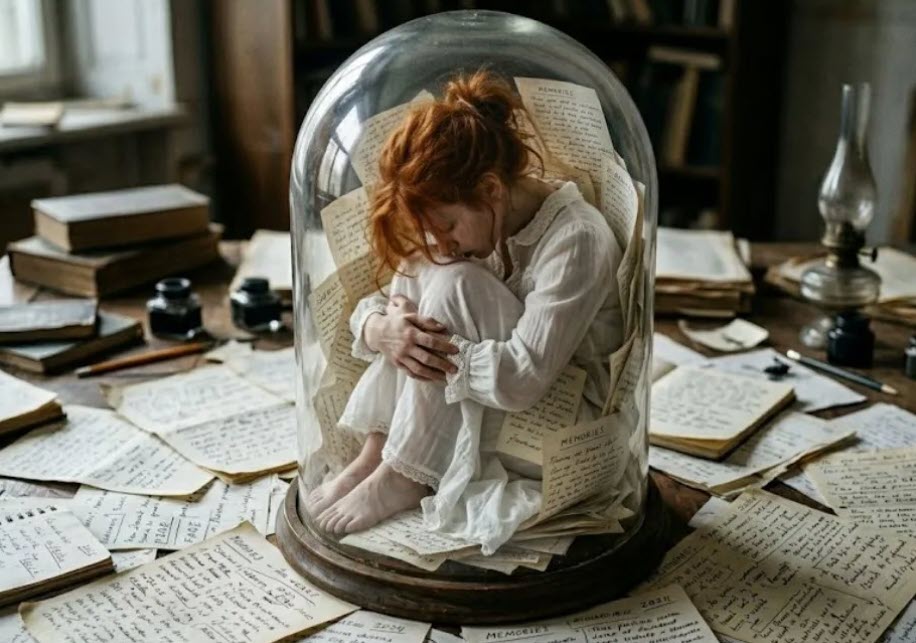
You can judge a nation’s greatness by how it treats the marginalized in its communities and by whether it encourages kindness, tolerance, education, and scientific expertise. When America excels at these things, we are indeed a great nation. Under Trump, we are objectively regressing in every one of these areas, and today, many American citizens are afraid of their government, which is a tell-tale sign that we are drifting towards authoritarianism.
Fascism and Oligarchy are familiar bedfellows that share several structural similarities, including the concentration of power, the suppression of dissent, the prioritization of ruling-class interests, and the erosion of democratic norms.
The repressive effect of fascism and oligarchy on citizens includes loss of political voice, economic inequality, reduced civil liberties, and social polarization. Horrifyingly, we’re seeing the effects of fascism and oligarchy in America today.
I understand the cynicism Americans feel around politics — and it is totally justified. But, to effectively fight the spread of fascism and oligarchy, we MUST participate in democratic processes, even when they feel imperfect. So, educate yourselves (and others), build cross-community solidarity, push for structural reforms, and stay connected and refuse isolation.
My Paper, My Words is a collection of essays, stories, and poems that reflect the challenges of a middle-class husband and father trying to navigate a rapidly changing political, religious, and technological landscape of post-911 America.
As the potential benefits and dangers of AI swirl around us in a maelstrom of fantastical headlines, social media posts, and academic articles, the social, technological, and economic landscape of the world depends on the ethics and morality of today’s gatekeepers in government and industry, and that should scare the fuck out of all of us.
We’re heading for a bleak future if an unregulated, callous first-to-market ethos, devoid of guardrails and ethics, drives the development and deployment of AI.
In these turbulent times, why don’t we have protest songs like we used to?
What cultural or sociological changes have made the protest song less popular?
Why Protest Songs Once Thrived
During the 1960s-70s, the economics and centralized nature of the music industry, combined with a shared identity amongst America’s youth (cemented by America’s role in the Vietnam War), provided fertile ground for protest songs to gain popularity.
In the America of the 1960s-70s, young, college-educated, middle-class Americans (a significant demographic) aligned with the counterculture, civil rights, and anti-war movements. This alignment allowed protest songs to find a home in the collective conscience of a generation of young Americans.
The conditions that led to the popularity of protest songs in the 1960s-70s included:
Mass movements: Civil rights and anti-war protests created collective spaces where songs unified crowds.
Limited media outlets: Radio and television amplified protest songs as rallying cries, giving them cultural dominance.
Shared identity: Songs like Bob Dylan’s “Blowin’ in the Wind” or Marvin Gaye’s “What’s Going On” became shorthand for generational values.
Why Protest Songs Declined
Protest songs haven’t disappeared, but their cultural role has shifted due to the following conditions:
Fragmented music culture: Streaming platforms and niche genres mean fewer “universal” hits that everyone hears.
Commercial pressures: Record labels often avoid overtly political content to maximize global market appeal.
Social media activism: Twitter, TikTok, and Instagram now serve as protest tools, reducing reliance on music as the primary vehicle for dissent.
Individualized expression: Protest today often emphasizes personal identity and micro-activism rather than collective anthems.
Cultural fatigue: In turbulent times, audiences may feel overwhelmed, turning to escapism rather than politicized art.
Today, activism often happens through digital platforms, fragmented music genres, and individualized expression rather than mass sing-alongs. Changes have made protest songs less central to political movements.
So, while video killed the radio star in the 1980s, changes in the music industry, commercialization, and the rise of social media may have killed the political protest song today — and that’s a fucking shame, because if there was ever a time for unifying the power of music against political corruption and maleficence, it’s today.
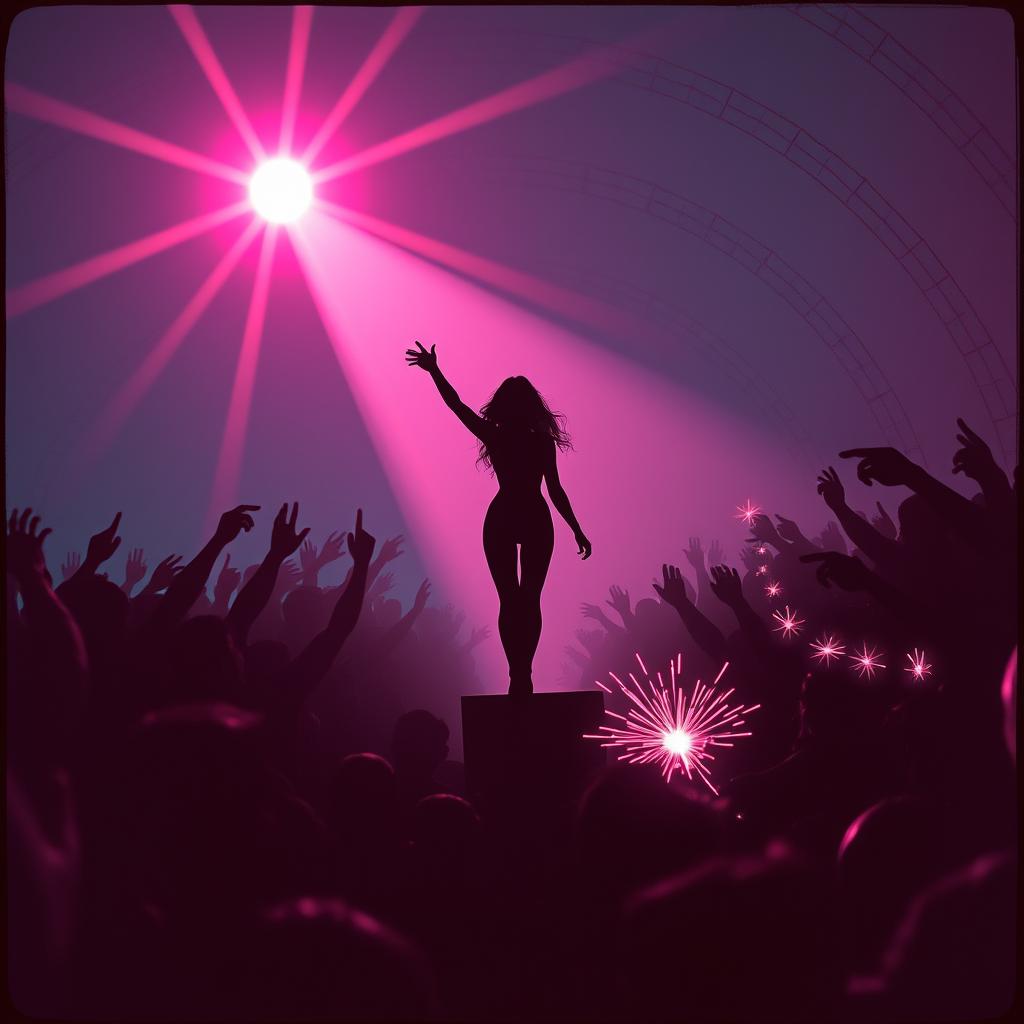
Here are some political protest songs’ that I’ve been working on (my lyrics, Suno’s music). Feel free to share or comment on them!
Donald Trump won’t be around forever (thank God) – but his impact will linger like a fart in a closet. Trump provides a blueprint for other candidates who might possess similar autocratic tendencies. This song is a “heads-up” about the barbarians who will gather at the gates of our democracy once Trump is dead and gone.
These lyrics are from a poem I wrote after the Charlie Kirk assassination. It’s about how dangerously divided America is and the potential for spiraling political violence that seems increasingly likely in the second Trump term.
I wrote the poem “Get a Load of Elon” after seeing the sickening footage of that smiling dirtbag laughing it up and swinging a chainsaw around like some fake-ass efficiency hero. Fuck that guy and everything he represents. I think Suno captured the tone I was looking for on this one.
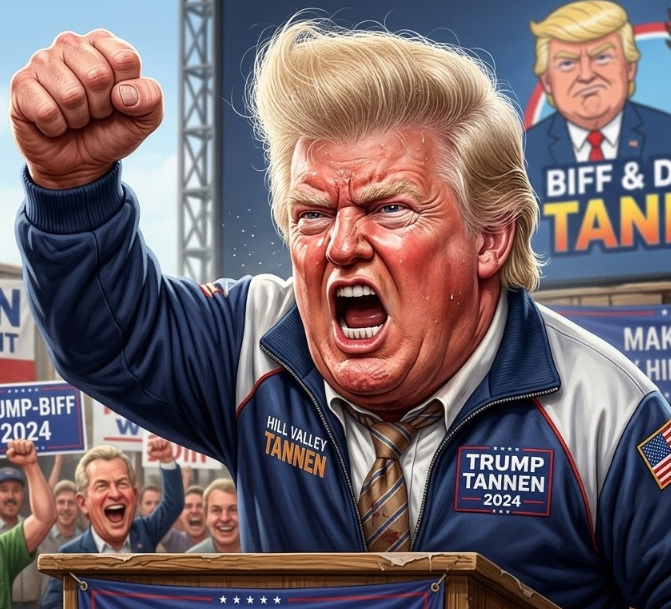
Donald Trump is my fat, ugly muse. There, I said it. Shame on everyone who voted for this criminal, and fuck all the cowards in Congress who are failing to stand up to this two-bit thug. And that’s all I have to say about this song.
I came up with these lyrics based on a poem I wrote in 2017 called “Resist”, which was about pushing back against Donald Trump and his policies, which I saw as an existential threat to America’s democracy. I added several new verses for the song and reworked the verse that would become the chorus. I can see the Dixie Chicks or Dolly Parton belting this out. I’m not a big fan of country or rockabilly music, but I think that musical style works well with the words here.
Suno and I, channeling our best Pat Benatar impression. I wrote the poem “Oligarchic Kings” recently and published it on my blog. I changed it quite a bit for the song version.
When I wrote this poem originally, I wrote it to the cadence of Supercalifragilisticexpialidocious from “Mary Poppins” and included it in my book “Imagine There’s No Donald” (available on Amazon😉 ). I asked Suno to create a power-pop song from the poem. It’s the only poem I used as is (not changing any of the words). It’s a campy/poppy version of a Disney classic.
My Paper, My Words is a collection of essays, stories, and poems that reflect the challenges of a middle-class husband and father trying to navigate a rapidly changing political, religious, and technological landscape of post-911 America.

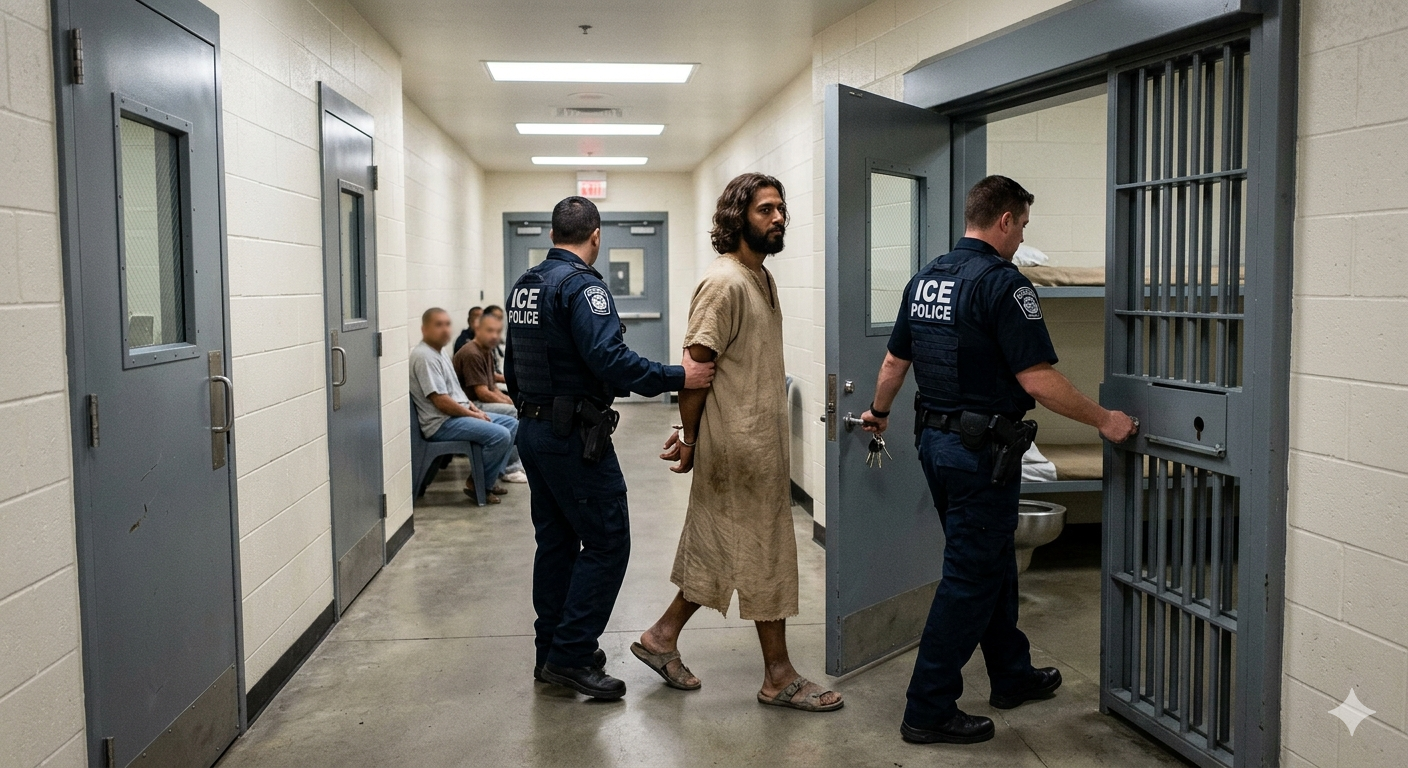
Pardoning drug traffickers, providing favorable treatment to convicted sex traffickers, pardoning violent criminals who attacked law enforcement on January 6th, turning a blind eye to war crimes, greenlighting the murder of survivors of a military operation, stripping health care and SNAP benefits from the most vulnerable, kidnapping and disappearing people with no due process.
How much longer are we going to allow the moral rot of this administration to drag America’s name and reputation through the mud?
When do we say “Enough is Enough”?
Check out my lyrics to a rockabilly rebuff of President Cheese Puff on Suno. https://lnkd.in/etWRPNY4 – Leave a comment and share!
My Paper, My Words is a collection of essays, stories, and poems that reflect the challenges of a middle-class husband and father trying to navigate a rapidly changing political, religious, and technological landscape of post-911 America.
The collision of technology, conservative ideology, and the incel movement in American culture is resulting in a volatile mix of online radicalization, misogyny, and political extremism.
By amplifying exclusionary beliefs, digital platforms normalize violence and connect isolated individuals into communities that can spill over into real-world harm.
Online platforms, social media, and dedicated incel sites provide a fertile breeding ground and powerful echo chamber for individuals with extremist and misogynistic views. It is in these intellectually dank digital hangouts that we encounter the danger of algorithmic amplification and the recommendation systems, which push members of these online communities deeper into radical content, normalizing hostility toward women and liberal values.
There is also a porn-component to this toxic, digital culture. Studies show links between incel misogyny and online pornography, which reinforces distorted views of women and sexuality.
What’s even more concerning is the acceptance of misogynistic beliefs and behaviors as “boys will be boys” by the Trump administration, which is tapping into the aggrieved community of non-college-educated males, not for the purpose of assisting them, but rather to turn their growing sense of isolation and anger towards college-educated women into votes.
There is an overlap between MAGA conservatism and ideology and the INCEL movement in America, specifically around the anti-feminist narrative, where both groups tend to frame feminism as a threat to traditional gender roles.
INECELS adopt a worldview of being “dispossessed men,” which resonates with broader conservative rhetoric about cultural decline and loss of male authority.
It’s at our own peril that we turn a blind eye to the alignment of incels and far-right groups around exclusionary, anti-democratic, and xenophobic tendencies. Isolated and digitally immersed young men in America are susceptible to being drawn to extremist online communities that distort masculinity and normalize misogyny.
The blending of conservative ideology with incel dogma and rhetoric widens the divide over gender, sexuality, and democracy, fueling broader culture wars in a country that is more culturally polarized than ever.
I wrote a poem a while back about the radicalization of young non-college-educated males through far-right groups around exclusionary, anti-democratic, and misogynistic views. I used the AI music platform Suno to put my poem to music.
My Paper, My Words is a collection of essays, stories, and poems that reflect the challenges of a middle-class husband and father trying to navigate a rapidly changing political, religious, and technological landscape of post-911 America.
What a shame and disservice to the men and women being sworn into the military at yesterday’s football game in Washington, DC.
In what should have been a proud and patriotic moment for these young men and women, the fans could not hold back their boos and distaste for the draft-dodging coward and enemy of American democracy swearing them in.
I want to think if I were in attendance I would have applauded in celebration of the men and women on the field rather than boo the putz in the press box who has embarrassed our country in front of the rest of the world – but honestly, I don’t know if I would have been able to hold back my anger at the man responsible for the rampant divisiveness ripping at the fabric of our country.
The adverse reaction that a stadium full of American citizens had to President Trump’s public appearance would be a wake-up call to any other politician. But Trump is so thickly coated in narcissism that nothing outside of the inflated opinion he has of himself matters, as the big, fat, ugly shadow he casts continues to eclipse the hope and optimism that used to shine brightly from America.
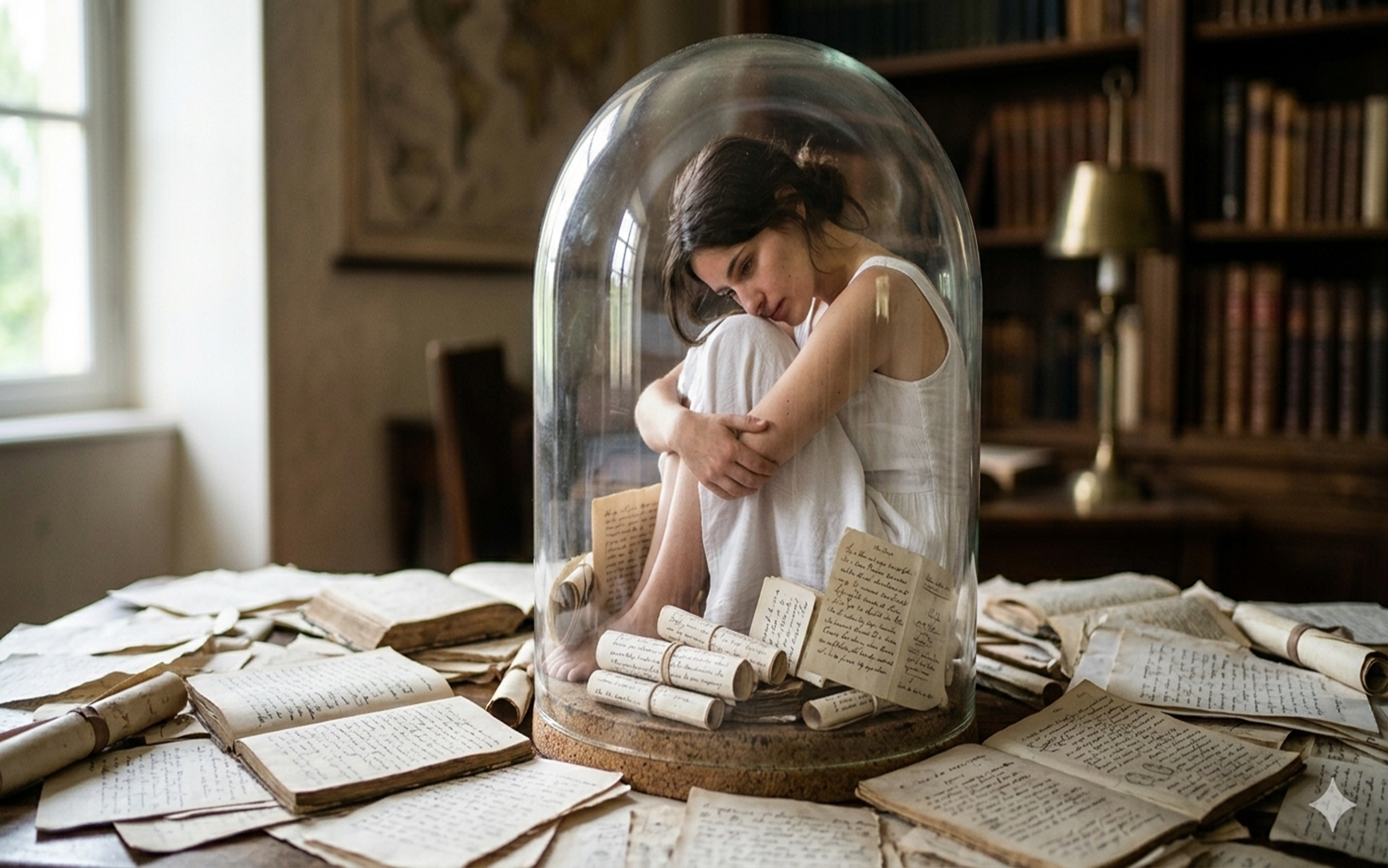
What to do with a shoe box full of lyrics, looking for a place to live?
I’ve always wanted to set some of my work to music, but because I have no musical skills, nothing ever came of it.
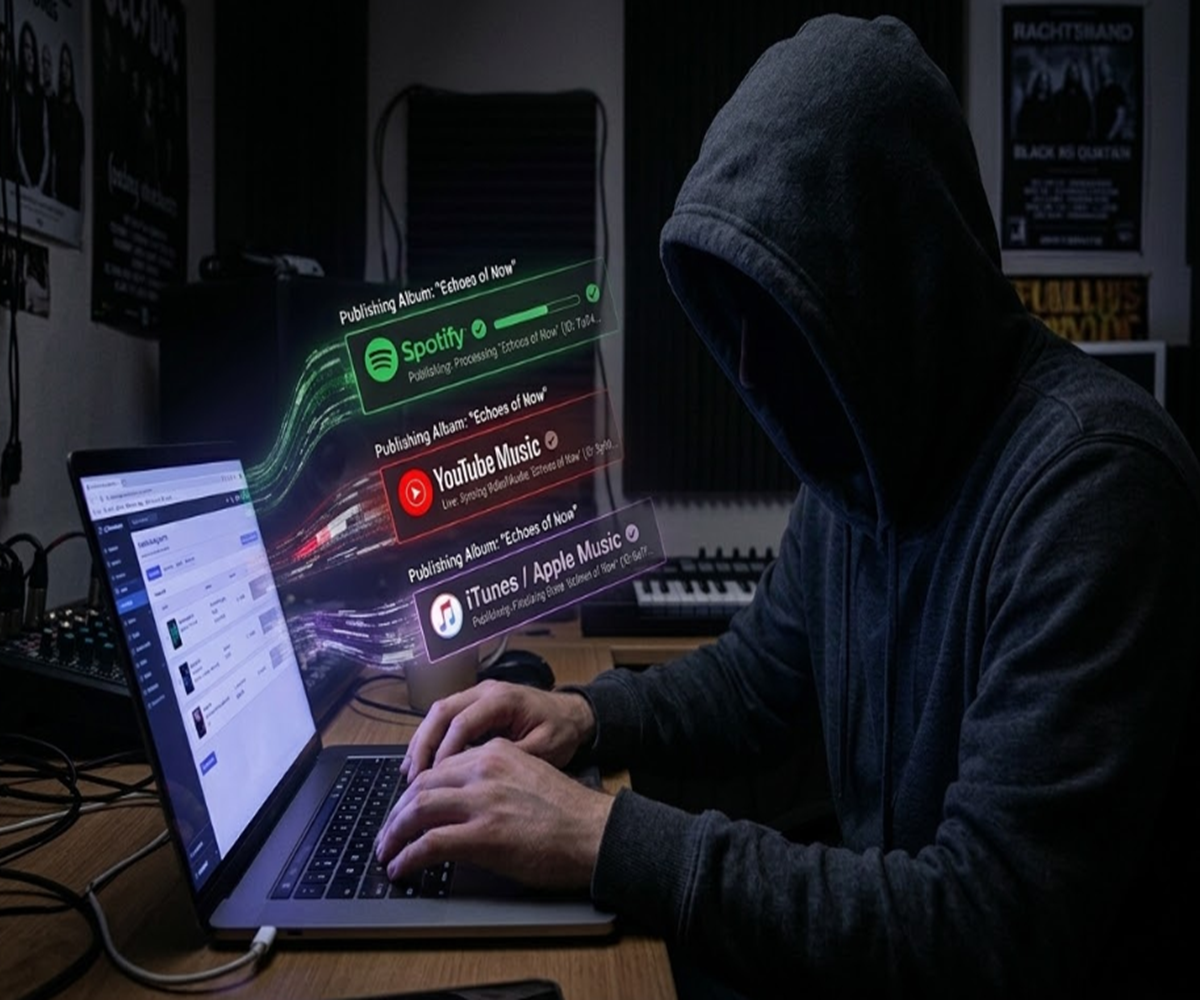
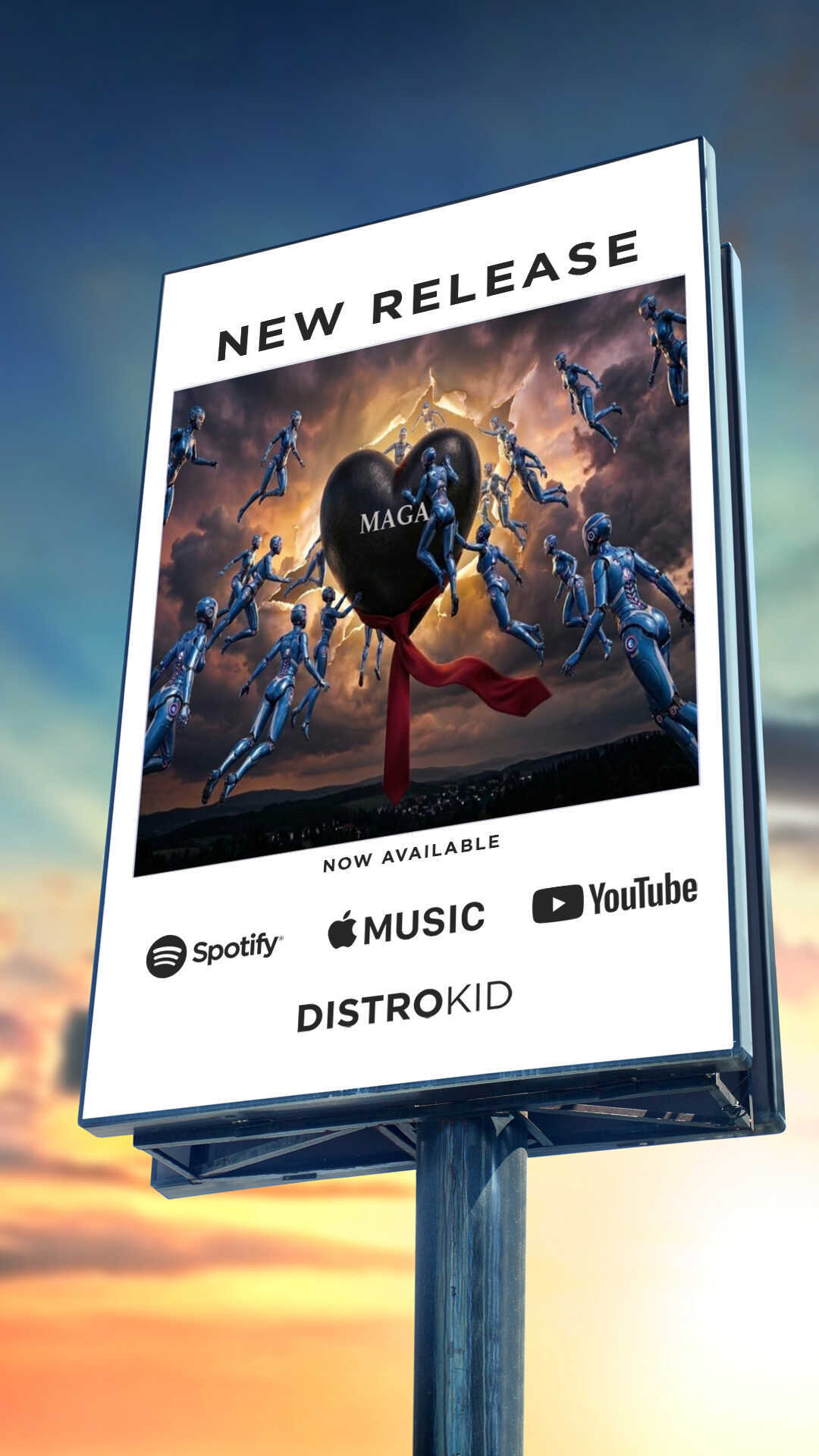
I’ve been seeing a lot of AI-generated content on social media lately, so this morning I created an account on Suno.com, picked a genre, pasted a poem I wrote years ago (Baby Teeth and Bullets), and clicked Generate.
I wasn’t sure what to expect as I watched the progress wheel on the Suno website spin round and round.
In about 1 minute, Suno set my poem to music in accordance with a genre and other characteristics I selected.
I was amazed at how quickly Suno created the song and, even though I feel a little conflicted (guilty?) about using AI to create art, I was giddy at the result.
Checkout Baby Teeth and Bullets the song and let me know what you think about it and about the ethics of using AI to generate art.
My Paper, My Words is a collection of essays, stories, and poems that reflect the challenges of a middle-class husband and father trying to navigate a rapidly changing political, religious, and technological landscape of post-911 America.