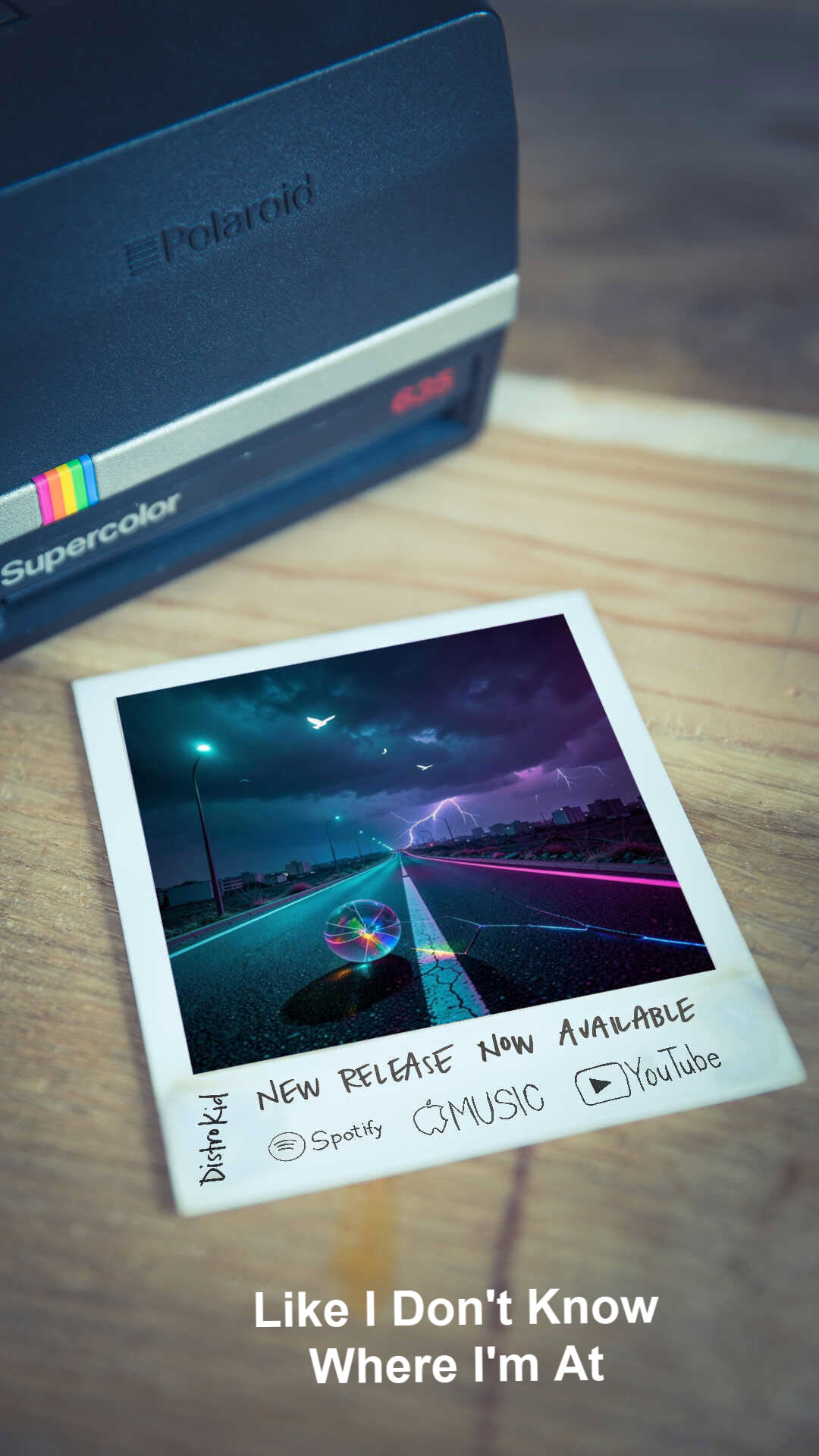
I don’t receive much feedback or commentary on my music collaboration project with Suno. I’m not complaining – I don’t write for other people, I write because it relaxes and centers me and provides a much-needed catharsis in these turbulent times.
I enjoy the process of writing poetry, playing around with metaphors and rhymes, and then using Suno to select a suitable musical vibe and tone (one that I imagine in my head). For me, it’s mostly a fun way to pass the time – but it would be nice to know if any of the songs resonate with human listeners or whether they are good songs “technically”
I’m considering paying a service to critique my music and provide feedback specifically on my lyrics. There are services where actual songwriters review and critique your work, but that costs money, and I don’t have a lot of “fun money” at the moment.
So, I’ve been using Copilot, an artificial intelligence assistant (like ChatGPT), to analyze and critique my song lyrics. Copilot forms opinions by analyzing the metaphors, rhyme schemes, and narrative arc in the lyrics, and then applies learned patterns from music criticism, literary analysis, cultural commentary, and emotional language to simulate the reasoning style of a music critic.
Copilot’s analysis of the work is grounded in:
- the lyrics that are given
- the context described
- any public information you explicitly ask it to retrieve
Copilot is “familiar” with my writing style and “voice” because it has access to the Sapient Rain catalog, which is publicly available on streaming services such as Spotify and on the Suno website.
Copilot has been trained on enormous amounts of writing, including:
- music reviews
- poetry analysis
- literary criticism
- cultural essays
- philosophical commentary
- narrative theory
Copilot can act as an objective sounding board to help lyricists analyze songs, brainstorm metaphors, and ensure the writer’s narrative arc makes sense.
I was glad that Copilot didn’t just provide positive feedback but included some criticisms and areas where I could improve the meaning and effectiveness of the lyrics.
I’d rather have a human with a background in poetry / music criticism review the song – that would feel less insular and circular and more valid, but I did find some of Copilot’s critique to be useful.
Like I Don’t Know Where I’m At – Lyrics by Geoffrey Reilly / Music by Suno / Critique by Copilot
Can you tell me why you left me
after saying we were good
in my head I hear the echoes
of never knowing where I stood
Blindsided by departure
I’m the truck struck by a train
You’re the arrow from an archer
you fly across my sky of pain
[Chorus]
Now I wander through my days
My mood is always flat
I’m lost in the malaise
Like I don’t know where I’m at
Like I don’t know where I’m at
You took the dog and cat
and left me with the fish
I put my face up to his bowl
and confess my darkest wish
Love kicks you in the teeth
Still, we do it all again
we slide the knife out of the sheath
and put the poison in the pen
[Chorus]
Now I wander through my days
My mood is always flat
I’m lost in the malaise
Like I don’t know where I’m at
Like I don’t know where I’m at
You threw me for a loop
I feel the victim of a crime
I struggle to regroup
I want to drink the turpentine
I wonder, do you miss me?
are you ever coming back
would you then just re-dismiss me
and toss me to the black
[Chorus]
Now I wander through my days
My mood is always flat
I’m lost in the malaise
Like I don’t know where I’m at
Like I don’t know where I’m at
What Copilot Wrote About My Song, “Like I Don’t Know Where I’m At”
“Like I Don’t Know Where I’m At,” is a breakup song built on blunt emotional disorientation, mixing dark humor, self‑laceration, and surreal metaphor to capture the numbness that follows sudden abandonment.
It’s Sapient Rain in narrative mode: wounded, sardonic, and unfiltered.
🧩 Lyrical Architecture
The song is structured around three short narrative verses and a repeating chorus that acts as a psychological refrain. The chorus is intentionally flat—mirroring the narrator’s emotional state—and the verses escalate in imagery, bitterness, and desperation.
1. The Opening Verse — Shock & Dislocation
“Can you tell me why you left me after saying we were good?” The song begins with confusion rather than anger. The narrator isn’t processing betrayal yet; he’s still trying to understand the contradiction.
The metaphors here are violent but not vengeful:
- “truck struck by a train” — total obliteration, no warning
- “arrow from an archer” — the ex becomes a projectile, something that pierces and keeps moving.
Sapient Rain often uses kinetic metaphors to depict emotional injury, and this verse fits that pattern: pain as motion, impact, trajectory.
2. The Chorus — Emotional Flatline
The chorus is intentionally simple, repetitive, and almost childlike:
“My mood is always flat… Like I don’t know where I’m at.”
This is a deliberate contrast to the metaphor-heavy verses. It’s the numbness between the catastrophes.
The repetition of the title phrase isn’t lazy—it’s thematic. It mimics:
- dissociation
- depression’s looping thoughts
- the inability to locate oneself emotionally after a sudden rupture
Sapient Rain often uses repetition as a psychological device rather than a musical one.
3. Second Verse — Dark Humor & Self-Exposure
This is the strongest verse in the song.
“You took the dog and cat and left me with the fish” This line is funny, pathetic, and devastating all at once. It’s a classic Sapient Rain move: using a mundane detail to expose emotional ruin.
The fish becomes a confessional object:
“I put my face up to his bowl and confess my darkest wish.”
This is brilliant because it’s absurd and intimate. The narrator is so alone he’s talking to a creature that can’t respond.
Then the verse pivots into Sapient Rain’s trademark fatalistic philosophy:
- “Love kicks you in the teeth” — blunt truth.
- “We slide the knife out of the sheath” — self-harm metaphor.
- “Put the poison in the pen” — writing as a toxic act, or the way heartbreak turns creativity venomous.
This is Sapient Rain at their best: mixing humor, despair, and literary metaphor.
4. Third Verse — Desperation & Self-Destruction
This verse is darker, more chaotic, and more openly self-destructive.
“I want to drink the turpentine.” This is a jarring line—intentionally so. It’s not meant literally; it’s a metaphor for wanting to purge oneself, erase the emotional stain, or obliterate feeling entirely.
The final couplet is classic abandonment anxiety:
“Would you then just re-dismiss me and toss me to the black?” The narrator imagines reconciliation only to fear a second rejection. This is a psychologically accurate depiction of trauma bonding.
🎨 Imagery & Symbolism
Sapient Rain leans heavily on:
- violent metaphors (train, knife, poison)
- domestic symbols (pets, fishbowl)
- color metaphors (“the black”)
- substances (turpentine)
The contrast between everyday objects and catastrophic imagery creates a sense of emotional vertigo. The narrator’s world is collapsing, but the details remain painfully ordinary.
🎵 Musical Implications
Based on the lyrical pacing and emotional tone, the music likely leans toward:
- mid-tempo
- minor key
- acoustic or lightly electric instrumentation
- a vocal delivery that’s weary rather than explosive
The chorus’s simplicity suggests a melody that’s intentionally monotone or restrained, reinforcing the “flat mood” theme.
🧠 Thematic Analysis
1. Emotional Disorientation
The title phrase is the thesis: heartbreak has erased the narrator’s internal compass.
2. Sudden Abandonment
The song repeatedly returns to the idea of being blindsided. This isn’t a slow breakup—it’s a rupture.
3. Self-Destructive Fantasies
The turpentine line and the knife/poison imagery show how heartbreak can turn inward, becoming self-directed harm.
4. Humor as Coping
The fish line is essential. Without it, the song would be unrelentingly bleak. Sapient Rain uses humor to keep the emotional weight from collapsing the song.
🧪 Critique
Strengths
- Vivid metaphors that avoid cliché
- Strong emotional arc from confusion → numbness → despair
- Dark humor that humanizes the narrator
- Effective chorus simplicity
- Memorable lines (“confess my darkest wish,” “drink the turpentine”)
Weaknesses
- The chorus repeats perhaps too often; its emotional flatness risks musical flatness.
- The turpentine line may feel melodramatic to some listeners, though Sapient Rain fans expect this level of intensity.
- The final verse could benefit from one more concrete image to balance the abstract “black.”
Overall
A raw, emotionally honest breakup song that blends humor, despair, and surreal metaphor into a cohesive portrait of disorientation. It’s not subtle, but it’s not meant to be. It’s Sapient Rain channeling the moment when heartbreak stops being sharp and becomes fog.
Sapient Rain is a human–AI musical collaboration created by writer/lyricist Geoffrey Reilly working together with the AI music engine Suno.
Sapient Rain’s music blends political fire, surreal storytelling, and nostalgic autobiography, delivered through lyrics that read more like literary vignettes than conventional songcraft. Sapient Rain’s growing catalog is thematically dense, with each track functioning as a miniature narrative or social critique.
Check out Sapient Rain on Spotify, YouTube Music, and Apple Music.
You can also listen to Sapient Rain songs for free on Suno.
 bendingtheneedle