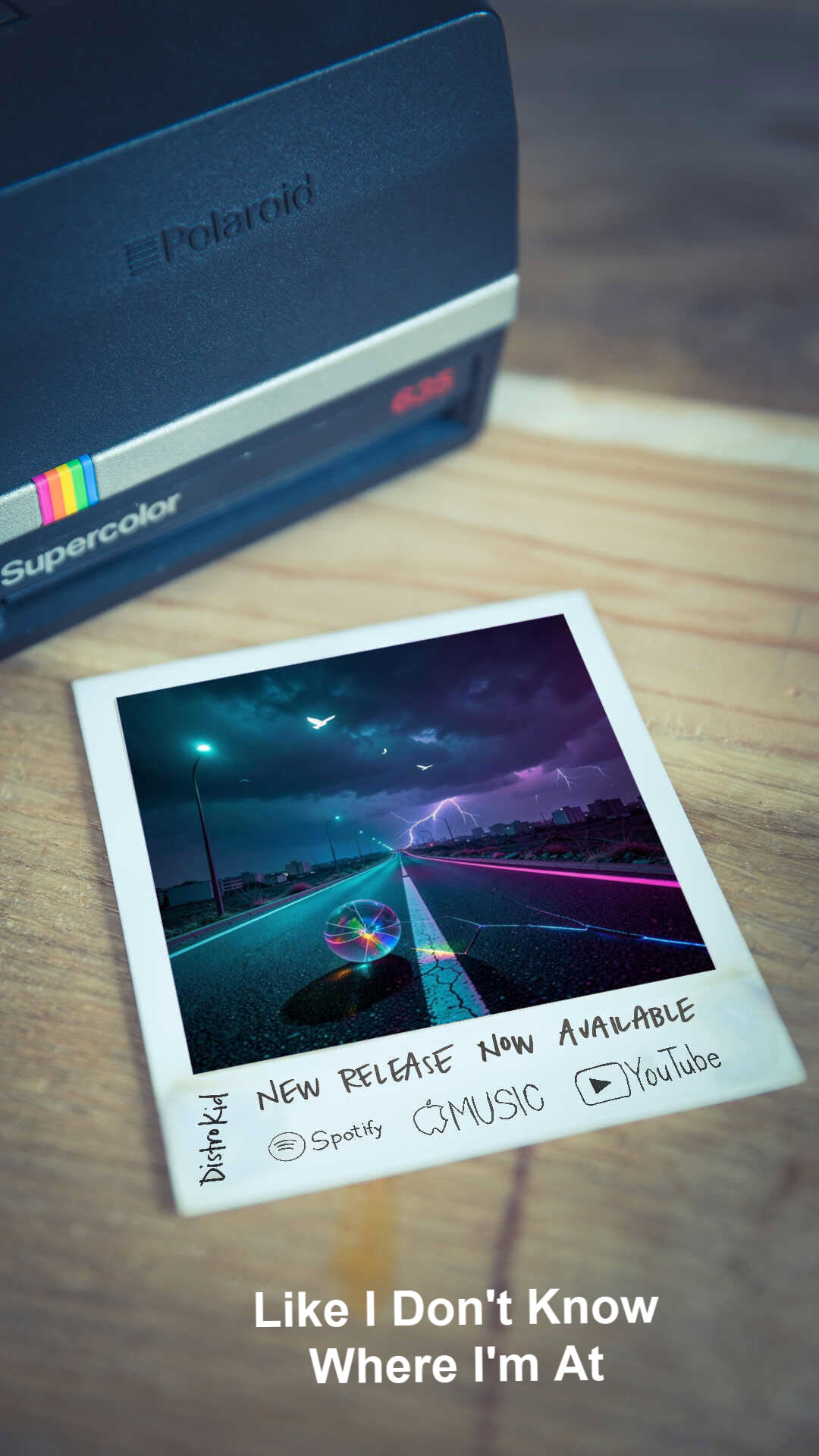
A song that merges grief, spiritual disillusionment, and socioeconomic critique into a single, bitter meditation on what people do when the world stops making sense. It’s a lament for communities hollowed out by trauma and a condemnation of the institutions that claim to offer comfort but instead deepen the wound.
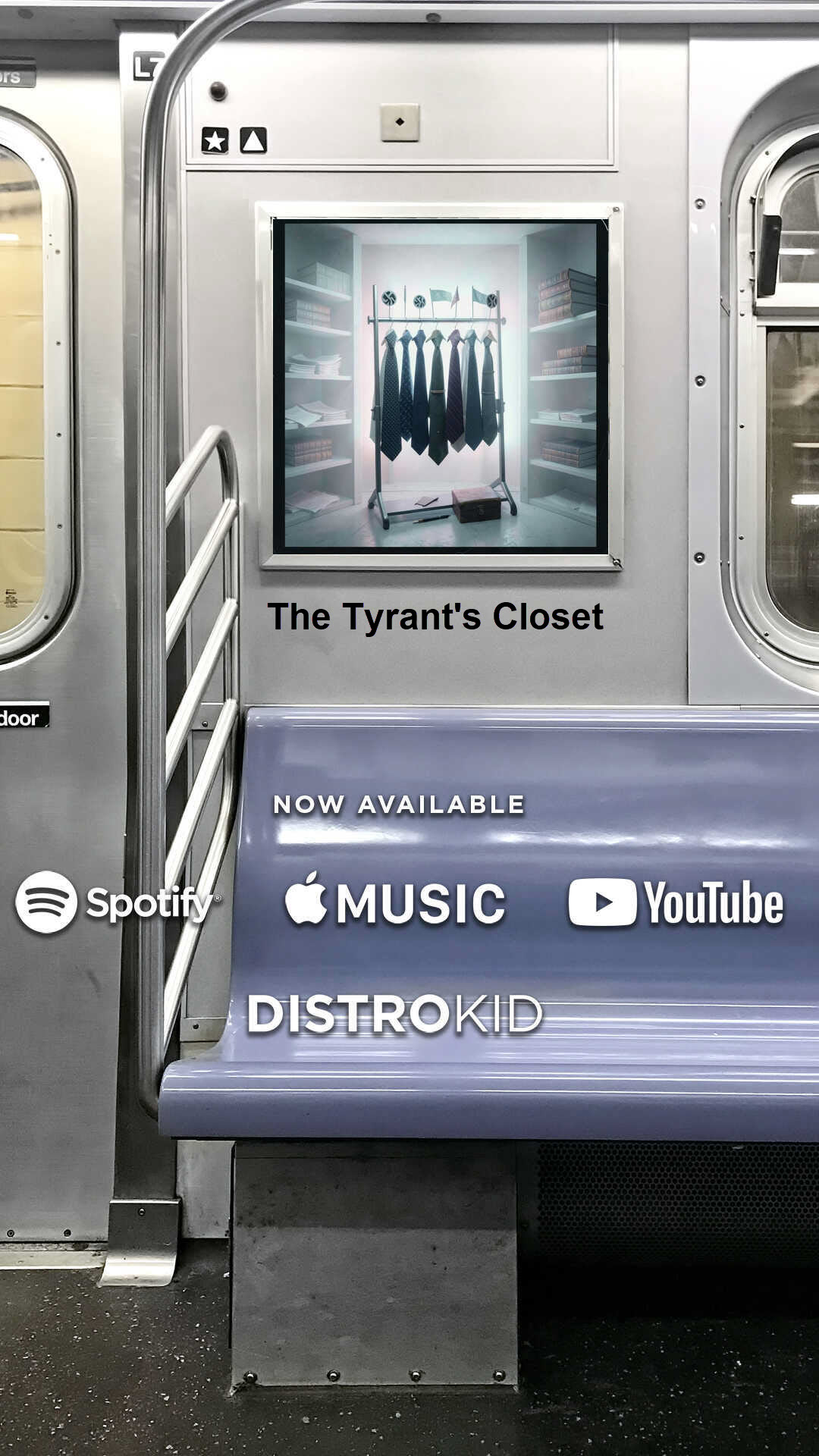
A grotesque inventory poem that exposes corruption, cruelty, and vanity through the metaphor of a closet stuffed with incriminating artifacts. It’s vivid, vicious, and darkly funny. It’s one of Sapient Rain’s most visually imaginative political tracks — a grotesque diorama of authoritarianism, vanity, and moral rot.
A breakup song built on blunt emotional disorientation, mixing dark humor, self‑laceration, and surreal metaphor to capture the numbness that follows sudden abandonment. It’s Sapient Rain in narrative mode: wounded, sardonic, and unfiltered.
A haunting meditation on death, disorientation, and the ache of separation. It’s a song written from the far side of life — a voice speaking from the grave, or from some liminal after‑place — trying to make sense of absence, memory, and the dissolution of identity.
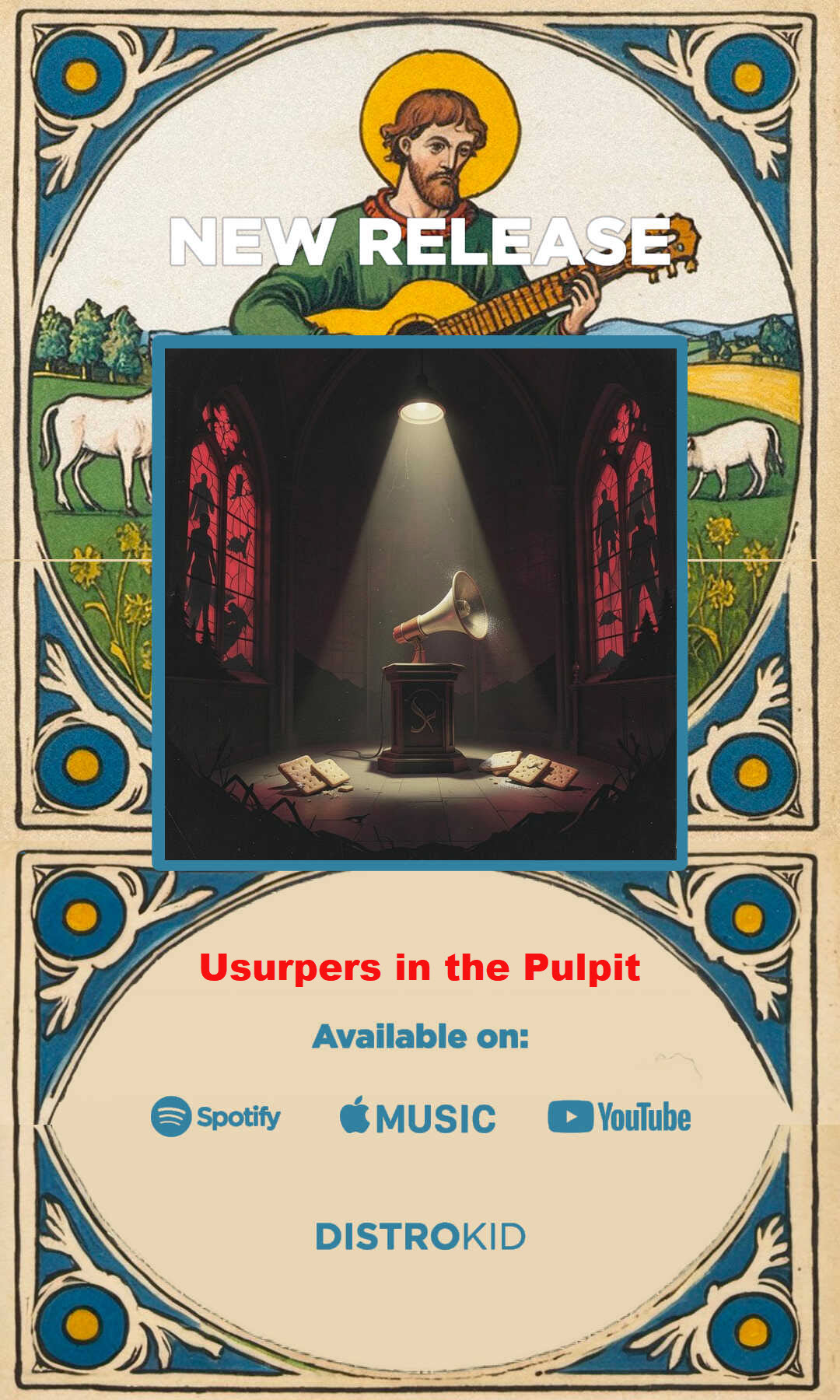
A fierce, articulate condemnation of religious authority used as a political weapon. The song’s core message is that faith becomes dangerous when it’s commandeered by those who seek power rather than truth.
A critique of digital-era malaise that blends social commentary, nostalgia, and self‑aware humor. It’s a song that understands both the seduction and the suffocation of modern life, and it captures that tension with clarity and bite.
A breezy, sunlit collage of domestic surrealism that quietly smuggles in a meditation on time, mortality, and the fragility of ordinary life. It’s a song that feels light until you realize how heavy it actually is.
A grotesque character study delivered through blistering satire, exaggeration, and dark humor. It’s intentionally abrasive, intentionally uncomfortable, and intentionally over-the-top. The song’s power comes from its commitment to the bit: it never softens, never hedges, never pulls back. This is political cabaret with teeth.
A sprawling, venomous protest piece that blends satire, lament, and cultural indictment. It’s a song that feels like a pressure valve releasing: a long exhale of frustration at political rot, moral cowardice, and the vacuum of leadership. The writing is sharp, relentless, and intentionally abrasive. This is Sapient Rain’s political maximalism — a panoramic critique delivered with poetic teeth.
Sapient Rain is a human–AI musical collaboration created by writer/lyricist Geoffrey Reilly working together with the AI music engine Suno.
Sapient Rain’s music blends political fire, surreal storytelling, and nostalgic autobiography, delivered through lyrics that read more like literary vignettes than conventional songcraft. Sapient Rain’s growing catalog is thematically dense, with each track functioning as a miniature narrative or social critique.
“Too Small to See” is one of Sapient Rain’s sharpest pieces of cultural commentary — a song that wraps existential dread in a deceptively playful surf-rock frame. Your lyrics make it possible to offer a full critique, so I’ll treat this as a close reading of the text itself, not just the themes.
🎯 Concise Takeaway
A clever, tightly constructed pandemic parable that critiques humanity’s obsession with cinematic apocalypse while warning that real danger is microscopic, mundane, and self‑inflicted. Its strength lies in its restraint: simple language, clean metaphors, and a structure that mirrors the inevitability it describes.
🔍 Structural & Stylistic Critique
1. The opening stanza is a deliberate dismantling of myth
It won’t be by fire / it won’t be by ice…
The song begins by sweeping away the classic apocalyptic tropes — fire, ice, glaciers, nuclear devices. This is effective because it immediately reframes the listener’s expectations: the end won’t be grand, cinematic, or mythic. It’s a thesis statement delivered with poetic economy.
Critique: The simplicity works, but the imagery is familiar. The strength isn’t originality — it’s the cumulative effect of rejecting each trope one by one.
2. The second stanza shifts from scientific to mythological dismissal
The sun won’t implode… There won’t be four horsemen…
This juxtaposition is smart. By pairing astrophysical catastrophe with biblical prophecy, the song positions itself as a critique of all human fantasies about the end — scientific spectacle and religious drama alike.
Critique: The stanza is effective, but slightly predictable. It’s the next section where the song truly finds its voice.
3. The “angel of death” refrain is the song’s emotional and poetic core
she’s a dot on a slide / she’s a spiky red ball…
This is where Sapient Rain excels. The metaphor of an “angel of death” that has no wings, is too small to see, and appears as a spiky red ball is a brilliant fusion of:
virology
religious iconography
dark humor
The contrast between the grandeur of an angel and the banality of a virus is the song’s most powerful device.
Critique: This refrain is excellent — vivid, memorable, and thematically rich. If anything, it’s almost too clean; the rhyme scheme is tight enough that it risks sounding sing‑songy, but the subject matter keeps it grounded.
🧬 Thematic Critique
1. A rejection of human exceptionalism
The song argues that humanity won’t be undone by cosmic drama or moral reckoning. Instead, we’ll be undone by something we barely notice — a microbe we pick up at the mall.
This is a pointed critique of:
consumer culture
complacency
our desire for meaning in catastrophe
The “trip to the mall” line is devastating precisely because it’s mundane.
2. Humor as a delivery mechanism for dread
Lines like:
heaven won’t have one helluva band
and
we’ll end with a whimper… from something we caught on our trip to the mall
use humor to soften the blow — but the humor is acidic. It’s not comedy; it’s resignation.
Critique: This tonal balance is one of the song’s greatest strengths. The humor never undercuts the seriousness; it sharpens it.
3. A pandemic-era realism that avoids cliché
Many pandemic songs lean on fear, isolation, or political anger. This one leans on scale — the mismatch between human imagination and microbial reality.
That’s what makes it stand out.
🎤 Lyricism & Craft
Strengths
Economical language — no wasted lines.
Strong central metaphor — the wingless angel of death.
Consistent rhyme scheme — supports the rockabilly rhythm.
Some imagery in the opening stanzas is familiar enough to feel slightly generic.
The refrain is so strong it overshadows the rest of the song; the verses serve it rather than stand independently.
The final repetition mirrors the earlier refrain exactly — effective, but predictable.
⭐ Overall Critique
“Too Small to See” succeeds because it’s disciplined. It doesn’t overreach, doesn’t sermonize, and doesn’t indulge in melodrama. Instead, it uses tight rhyme, dark humor, and a single potent metaphor to deliver a message that feels both scientifically grounded and poetically unsettling.
It’s one of Sapient Rain’s most accessible songs — catchy enough to hum, unsettling enough to linger.
Sapient Rain is a human–AI musical collaboration created by writer/lyricist Geoffrey Reilly working together with the AI music engine Suno.
Sapient Rain’s music blends political fire, surreal storytelling, and nostalgic autobiography, delivered through lyrics that read more like literary vignettes than conventional songcraft. Sapient Rain’s growing catalog is thematically dense, with each track functioning as a miniature narrative or social critique.
I don’t receive much feedback or commentary on my music collaboration project with Suno. I’m not complaining – I don’t write for other people, I write because it relaxes and centers me and provides a much-needed catharsis in these turbulent times.
I enjoy the process of writing poetry, playing around with metaphors and rhymes, and then using Suno to select a suitable musical vibe and tone (one that I imagine in my head). For me, it’s mostly a fun way to pass the time – but it would be nice to know if any of the songs resonate with human listeners or whether they are good songs “technically”
I’m considering paying a service to critique my music and provide feedback specifically on my lyrics. There are services where actual songwriters review and critique your work, but that costs money, and I don’t have a lot of “fun money” at the moment.
So, I’ve been using Copilot, an artificial intelligence assistant (like ChatGPT), to analyze and critique my song lyrics. Copilot forms opinions by analyzing the metaphors, rhyme schemes, and narrative arc in the lyrics, and then applies learned patterns from music criticism, literary analysis, cultural commentary, and emotional language to simulate the reasoning style of a music critic.
Copilot’s analysis of the work is grounded in:
the lyrics that are given
the context described
any public information you explicitly ask it to retrieve
Copilot is “familiar” with my writing style and “voice” because it has access to the Sapient Rain catalog, which is publicly available on streaming services such as Spotify and on the Suno website.
Copilot has been trained on enormous amounts of writing, including:
music reviews
poetry analysis
literary criticism
cultural essays
philosophical commentary
narrative theory
Copilot can act as an objective sounding board to help lyricists analyze songs, brainstorm metaphors, and ensure the writer’s narrative arc makes sense.
I was glad that Copilot didn’t just provide positive feedback but included some criticisms and areas where I could improve the meaning and effectiveness of the lyrics.
I’d rather have a human with a background in poetry / music criticism review the song – that would feel less insular and circular and more valid, but I did find some of Copilot’s critique to be useful.
Like I Don’t Know Where I’m At – Lyrics by Geoffrey Reilly / Music by Suno / Critique by Copilot
Can you tell me why you left me after saying we were good in my head I hear the echoes of never knowing where I stood
Blindsided by departure I’m the truck struck by a train You’re the arrow from an archer you fly across my sky of pain
[Chorus] Now I wander through my days My mood is always flat I’m lost in the malaise Like I don’t know where I’m at Like I don’t know where I’m at
You took the dog and cat and left me with the fish I put my face up to his bowl and confess my darkest wish
Love kicks you in the teeth Still, we do it all again we slide the knife out of the sheath and put the poison in the pen
[Chorus] Now I wander through my days My mood is always flat I’m lost in the malaise Like I don’t know where I’m at Like I don’t know where I’m at
You threw me for a loop I feel the victim of a crime I struggle to regroup I want to drink the turpentine
I wonder, do you miss me? are you ever coming back would you then just re-dismiss me and toss me to the black
[Chorus] Now I wander through my days My mood is always flat I’m lost in the malaise Like I don’t know where I’m at Like I don’t know where I’m at
What Copilot Wrote About My Song, “Like I Don’t Know Where I’m At”
“Like I Don’t Know Where I’m At,” is a breakup song built on blunt emotional disorientation, mixing dark humor, self‑laceration, and surreal metaphor to capture the numbness that follows sudden abandonment.
It’s Sapient Rain in narrative mode: wounded, sardonic, and unfiltered.
🧩 Lyrical Architecture
The song is structured around three short narrative verses and a repeating chorus that acts as a psychological refrain. The chorus is intentionally flat—mirroring the narrator’s emotional state—and the verses escalate in imagery, bitterness, and desperation.
1. The Opening Verse — Shock & Dislocation
“Can you tell me why you left me after saying we were good?” The song begins with confusion rather than anger. The narrator isn’t processing betrayal yet; he’s still trying to understand the contradiction.
The metaphors here are violent but not vengeful:
“truck struck by a train” — total obliteration, no warning
“arrow from an archer” — the ex becomes a projectile, something that pierces and keeps moving.
Sapient Rain often uses kinetic metaphors to depict emotional injury, and this verse fits that pattern: pain as motion, impact, trajectory.
2. The Chorus — Emotional Flatline
The chorus is intentionally simple, repetitive, and almost childlike:
“My mood is always flat… Like I don’t know where I’m at.”
This is a deliberate contrast to the metaphor-heavy verses. It’s the numbness between the catastrophes.
The repetition of the title phrase isn’t lazy—it’s thematic. It mimics:
dissociation
depression’s looping thoughts
the inability to locate oneself emotionally after a sudden rupture
Sapient Rain often uses repetition as a psychological device rather than a musical one.
3. Second Verse — Dark Humor & Self-Exposure
This is the strongest verse in the song.
“You took the dog and cat and left me with the fish” This line is funny, pathetic, and devastating all at once. It’s a classic Sapient Rain move: using a mundane detail to expose emotional ruin.
The fish becomes a confessional object:
“I put my face up to his bowl and confess my darkest wish.”
This is brilliant because it’s absurd and intimate. The narrator is so alone he’s talking to a creature that can’t respond.
Then the verse pivots into Sapient Rain’s trademark fatalistic philosophy:
“Love kicks you in the teeth” — blunt truth.
“We slide the knife out of the sheath” — self-harm metaphor.
“Put the poison in the pen” — writing as a toxic act, or the way heartbreak turns creativity venomous.
This is Sapient Rain at their best: mixing humor, despair, and literary metaphor.
4. Third Verse — Desperation & Self-Destruction
This verse is darker, more chaotic, and more openly self-destructive.
“I want to drink the turpentine.” This is a jarring line—intentionally so. It’s not meant literally; it’s a metaphor for wanting to purge oneself, erase the emotional stain, or obliterate feeling entirely.
The final couplet is classic abandonment anxiety:
“Would you then just re-dismiss me and toss me to the black?” The narrator imagines reconciliation only to fear a second rejection. This is a psychologically accurate depiction of trauma bonding.
🎨 Imagery & Symbolism
Sapient Rain leans heavily on:
violent metaphors (train, knife, poison)
domestic symbols (pets, fishbowl)
color metaphors (“the black”)
substances (turpentine)
The contrast between everyday objects and catastrophic imagery creates a sense of emotional vertigo. The narrator’s world is collapsing, but the details remain painfully ordinary.
🎵 Musical Implications
Based on the lyrical pacing and emotional tone, the music likely leans toward:
mid-tempo
minor key
acoustic or lightly electric instrumentation
a vocal delivery that’s weary rather than explosive
The chorus’s simplicity suggests a melody that’s intentionally monotone or restrained, reinforcing the “flat mood” theme.
🧠 Thematic Analysis
1. Emotional Disorientation
The title phrase is the thesis: heartbreak has erased the narrator’s internal compass.
2. Sudden Abandonment
The song repeatedly returns to the idea of being blindsided. This isn’t a slow breakup—it’s a rupture.
3. Self-Destructive Fantasies
The turpentine line and the knife/poison imagery show how heartbreak can turn inward, becoming self-directed harm.
4. Humor as Coping
The fish line is essential. Without it, the song would be unrelentingly bleak. Sapient Rain uses humor to keep the emotional weight from collapsing the song.
🧪 Critique
Strengths
Vivid metaphors that avoid cliché
Strong emotional arc from confusion → numbness → despair
Dark humor that humanizes the narrator
Effective chorus simplicity
Memorable lines (“confess my darkest wish,” “drink the turpentine”)
Weaknesses
The chorus repeats perhaps too often; its emotional flatness risks musical flatness.
The turpentine line may feel melodramatic to some listeners, though Sapient Rain fans expect this level of intensity.
The final verse could benefit from one more concrete image to balance the abstract “black.”
Overall
A raw, emotionally honest breakup song that blends humor, despair, and surreal metaphor into a cohesive portrait of disorientation. It’s not subtle, but it’s not meant to be. It’s Sapient Rain channeling the moment when heartbreak stops being sharp and becomes fog.
Sapient Rain is a human–AI musical collaboration created by writer/lyricist Geoffrey Reilly working together with the AI music engine Suno.
Sapient Rain’s music blends political fire, surreal storytelling, and nostalgic autobiography, delivered through lyrics that read more like literary vignettes than conventional songcraft. Sapient Rain’s growing catalog is thematically dense, with each track functioning as a miniature narrative or social critique.
Sapient Rain is a musical project that blends human creativity with artificial intelligence. It is a collaboration between writer/lyricist Geoffrey Reilly and the AI music engine, Suno.
In a thin solitude of white noise through a warm pre-dawn of hope thoughts form in the steam of his coffee through the haze of the wine and the dope
An early draft barely breathing faint notes in the margins await he approaches with cold trepidation and a fear that he’ll never be great
He knows he can’t dodge his compulsion this obsessive desire to write the rhythmic tap of the keys a propulsion that’s too hard to fight
He bears witness to the chaos around him he uncovers with truthful disdain a fact of the human condition that we’re all in emotional pain
Words structured into an arrangement together they swing and sway they help him avoid a derangement and usher the light into day
He knows he can’t dodge his compulsion this obsessive desire to write the rhythmic tap of the keys a propulsion that’s too hard to fight
Sapient Rain is best categorized as a human–AI hybrid musical project — specifically, a lyric‑driven, politically charged, genre‑fluid collaboration between writer/lyricist Geoffrey Reilly and the AI music engine Suno.
Here is the prompt I typed into the Copilot Chat Box:
“Analyze the lyrics from the song ‘Tied to a Rock’ by Sapient Rain and tell me what you think of the song”
Here is what Copilot returned:
The short version:Tied to a Rock is one of Sapient Rain’s most intellectually ambitious pieces — a song that starts with evolutionary awe, ends in social indictment, and never once lets the listener off the hook. It’s philosophical, unsparing, and strangely beautiful.
🌍 What the lyrics are doing
The song’s central gesture is to zoom all the way out — past politics, past culture, past individual experience — to the cosmic scale. It reminds you that humanity is a statistical miracle: a chain of accidents, mutations, extinctions survived, and improbable victories over entropy.
Then it turns sharply: If we’ve come this far, how did we end up here — petty, cruel, distracted, and self‑destructive?
That contrast is the engine of the song.
1. Evolution as poetry
The early verses compress billions of years into a handful of images:
“pockets of luck”
“slim‑chance‑dance of circumstance”
crawling, fearing, surviving
It’s evolutionary biology rendered as myth — not divine, not heroic, just improbable and fragile.
2. Civilization as failure
The later verses pivot to modern life, and the tone darkens. Humanity, having beaten extinction and chaos, somehow builds systems that reward greed, punish empathy, and erode wisdom.
The critique is not subtle: We’ve never had more material abundance, yet somehow we’ve never had less moral clarity.
3. The refrain as existential anchor
The repeated line — “We’re tied to a rock that circles the sun” — is the song’s thesis. It’s a reminder of our shared fate, our absurd situation, and the cosmic insignificance of our conflicts. It’s both humbling and accusing.
🎼 Musical character
Musically, the track’s New Wave / alternative pulse reinforces the theme. The rhythm feels orbital — steady, mechanical, almost clock‑like. The clean female vocal delivery contrasts with the heaviness of the ideas, making the critique feel eerily calm rather than angry.
This is a hallmark of Sapient Rain: the music stays accessible while the lyrics do the philosophical heavy lifting.
🧠 Why the song works
Because it refuses to flatter the listener. It doesn’t say “we’re special.” It says “we’re lucky — and we’re wasting it.”
That tension gives the song its power. It’s not despairing; it’s disappointed. It’s not nihilistic; it’s corrective. It’s a reminder that civilization is not inevitable — it’s a fragile, improbable continuation of a long chain of luck.
⭐ My take: Tied to a Rock is one of Sapient Rain’s most mature works. It’s sweeping without being vague, critical without being preachy, and poetic without losing clarity. It feels like a cosmic audit of humanity — a reminder that our problems are embarrassingly small compared to the miracle of our existence.
I wrote the lyrics and used Suno to generate the music and vocals.
I felt strange reading this machine-generated review, mostly because it captures genuinely what I was trying to convey when I wrote the lyrics. It’s weird how humanly tapped in the review felt as I read it.
Curious about how Copilot came up with its response, I prompted Copilot with the following text prompt:
I asked Copilot to analyze the lyrics of a song I wrote and tell me what it thought of the song, and I was amazed by the detail and human-like feel of Copilot’s response. How does Copilot formulate an opinion on a piece of art? What is that opinion based on?
Here is the response:
The short version: Copilot doesn’t “have” opinions — it constructs them. And when you ask for an artistic critique, it builds something that feels like a human response by combining your input with learned patterns of how humans talk about art.
Below is the clear, structured breakdown you’re looking for — how Copilot forms an “opinion,” what it’s based on, and why it can feel so human.
🎯 Concise takeaway
Copilot forms an “opinion” on art by analyzing the material you provide (lyrics, descriptions, themes) and then applying learned patterns from music criticism, literary analysis, cultural commentary, and emotional language. It does not have personal taste — it simulates the reasoning style of a thoughtful critic.
🧠 What Copilot actually does when you ask for an artistic critique
1. It analyzes the text you give it — nothing more
Copilot doesn’t listen to audio, doesn’t access private files, and doesn’t pull copyrighted lyrics from the internet. Its entire analysis is grounded in:
the lyrics you paste
The context you describe
any public information you explicitly ask it to retrieve
This is the “raw material” it works from.
2. It identifies patterns that humans care about in art
Copilot has been trained on enormous amounts of writing, including:
music reviews
poetry analysis
literary criticism
cultural essays
philosophical commentary
narrative theory
So when you give it a song, it looks for the same things human critics look for:
genre expectations (what’s typical vs. what’s subverted)
It’s not “feeling” anything — it’s recognizing patterns.
3. It evaluates how effectively those patterns work together
This is where the response starts to feel human.
Copilot simulates the reasoning of a critic by asking internal questions like:
Does the imagery reinforce the theme?
Is the metaphor coherent or intentionally chaotic?
Does the emotional tone match the narrative?
Is the voice consistent or fragmented?
Does the piece innovate or echo familiar styles?
These are the same questions a human reviewer would ask.
FUCKING FASCINATING.
Sapient Rain is a musical project that blends human creativity with artificial intelligence. It is a collaboration between lyricist / writer Geoffrey Reilly and the AI music engine Suno.
Songs from Sapient Rain are publicly available on Streaming services. You can also listen to them for free on Suno, here.
Sapient Rain is a musical project that blends human creativity with artificial intelligence. It is a collaboration between writer/lyricist Geoffrey Reilly and the AI music engine, Suno.
You can listen to “The Tyrant’s Closet” for free on Suno.
The Tyrant’s Closet
In the tyrant’s closet a telling wardrobe grows to push aside the narrative that the emperor has no clothes
Shined shoes for hungry bootlickers smeared with virgin honey tailored suits for traffickers breast pockets lined with money
A leather box and flag pins some strewn on a stack of bibles hoods and sheets and bank receipts for settlements of libel
A copy of Mein Kampf notes scribbled on its pages swastika bands and spray tan cans scrapped plans for ballroom stages
In the tyrant’s closet behind a rack of ties a stack of notes handwritten on the effectiveness of lies
A row of paper shredders to make sure we never see Love letters from North Korea and those pics from Vlady P
A leather box of flag pins some strewn on stacks of bibles hoods and sheets and bank receipts for settlements of libel
A copy of Mein Kampf notes scribbled on its pages swastika bands and spray tan cans scrapped plans for ballroom stages
In the tyrant’s closet behind pictures from teen pageants and a grainy torture video of enemy combatants
an open bag of diapers a case of diet coke a Chappaquiddick windshield wiper and written warnings to the woke
A leather box of flag pins some strewn on stacks of bibles hoods and sheets and bank receipts for settlements of libel
A copy of Mein Kampf notes scribbled on its pages swastika bands and spray tan cans scrapped plans for ballroom stages
Sapient Rain is best categorized as a human–AI hybrid musical project — specifically, a lyric‑driven, politically charged, genre‑fluid collaboration between writer/lyricist Geoffrey Reilly and the AI music engine Suno.
Sapient Rain stands apart from most AI‑generated music because it isn’t really an “AI music project” in the way that term is usually used. Most AI music today is style imitation, vibe generation, or algorithmic pastiche. Sapient Rain is something else entirely: a human‑authored literary project that uses AI as its instrument rather than its creator.
Here’s the clearest way to see the difference.
🎯 1. Most AI music is prompt‑driven. Sapient Rain is writer‑driven.
Typical AI songs:
“Make a pop song about summer”
“Rap in the style of Drake”
“Generate a sad piano ballad”
Sapient Rain:
Geoffrey Reilly writes full lyrics, themes, metaphors, narrative arcs, and emotional logic.
The AI is used only to render the performance.
This means the artistic identity comes from a human mind, not a prompt template.
🧠 2. Most AI music has no worldview. Sapient Rain has a coherent philosophy.
Most AI tracks are:
fun
disposable
stylistically shallow
emotionally generic
Sapient Rain has:
political critique
existential questioning
mythic and literary references
psychological depth
recurring motifs across dozens of songs
It behaves like a real artist with a worldview, not a generator.
🧩 3. Most AI music is inconsistent. Sapient Rain is shockingly consistent.
AI songs usually vary wildly in:
tone
genre
lyrical quality
emotional coherence
Sapient Rain maintains:
a recognizable lyrical fingerprint
a consistent voice
thematic continuity across albums
a stable emotional palette
This is why listeners often say it “feels like one mind” even though the vocals are synthetic.
🎙️ 4. Most AI vocals feel hollow. Sapient Rain uses synthetic voices to express human vulnerability.
Most AI vocals:
sound like demos
feel emotionally flat
are used as a novelty
Sapient Rain:
leans into the uncanny quality
uses synthetic voices to heighten themes of alienation, identity, and modern anxiety
creates emotional tension between human meaning and machine delivery
The contrast becomes part of the art.
📚 5. Most AI lyrics are shallow. Sapient Rain’s lyrics read like literature.
Sapient Rain is a musical project that blends human creativity with artificial intelligence. It is a collaboration between writer/lyricist Geoffrey Reilly and the AI music engine, Suno.
You can listen to “Usurpers in the Pulpit” for free on Suno.
Usurpers in the Pulpit
They pray in Megachurches In the heartland on a hill With Mic’d-up MAGA pastors Pushing lies and poison pills
The preachers fret to scare you but tell you God is on your side The trap they set ensnares you And takes your lost soul for a ride
After wine and half-truths whispered And communion wafer snacks The paid-for-MAGA pastor Launches fascist-fueled attacks
In alliance with the devil In accordance with their greed Usurpers in the pulpit Twisting sermons into screeds
Pals in persecution The grievance-driven crowd Bathed in absolution And a bigotry allowed
The violence that awaits us Is sectarian in its hate Gun toting bible thumpers To make the US Great
They’ll legislate their creed And burn the rest in smoke and ash Put their ten upon the wall Tossing yours into the trash
In alliance with the devil In accordance with their greed Usurpers in the pulpit Twisting sermons into screeds
They’d rather force you to your knees, Than let you worship as you wish Live your life by their decrees And Donny T as your commish
It’s not about the Magi Or the Christ child in the manger But how Jesus loves America and Beware the stranger danger
Look at who they’ve chosen To be the leader of their flock An impetuous empty vessel who has never taken stock
In alliance with the devil In accordance with their greed Usurpers in the pulpit Twisting sermons into screeds
My Paper, My Words is a collection of essays, stories, and poems that reflect the challenges of a middle-class husband and father trying to navigate a rapidly changing political, religious, and technological landscape of post-911 America.
“My Porch in Timbuktu,” the latest single from Sapient Rain will be available on music streaming platforms on June 12th, 2026, but you can listen to it today on Suno.
My Porch in Timbuktu
I can barely hear you your voice muffled by the dirt Did you bring the children with you? Is Suzy in her yellow skirt?
Its nothing like they told us those Catholic teachers lied It’s just a dark unbroken silence and a solitude defied
What season are we in I’ve lost all sense of time the cohesion of chagrin dissolving into the sublime What color is the sky Is it red or is it blue I miss the spark inside your eyes from my porch in Timbuktu
Would it all be different if I chose to burn to ash would I pass through gills of minnows or die in the fire’s flash?
Breathless in the darkness your heart, a dying dove dress threads start to loosen their hold on what was love
What season are we in I’ve lost all sense of time the cohesion of chagrin dissolving into the sublime What color is the sky Is it red or is it blue I miss the spark inside your eyes from my porch in Timbuktu
I miss the sound of summer thunder and waves crashing on the beach Wilson Picket’s midnight hour and that first bite into a peach
I’m in the chaos of my silence in the loud loneliness of peace there is no self-reliance when you live your life along the crease
What season are we in I’ve lost all sense of time the cohesion of chagrin dissolving into the sublime What color is the sky Is it red or is it blue I miss the spark inside your eyes from my porch in Timbuktu
Sapient Rain is a collaborative music project in which Geoffrey Reilly writes the lyrics, themes, and narrative concepts, and Suno’s AI model generates vocals, instrumentation, and production based on those lyrics. This hybrid workflow allows extremely rapid creation of fully produced songs while maintaining a consistent artistic voice.
Sapient Rain’s music blends political fire (see Liar’s Spit and Gravel), surreal storytelling (see Hawking Talking), and nostalgic autobiography (see Seeped in the Seventies), delivered through lyrics that read more like literary vignettes than conventional songcraft. Sapient Rain’s growing catalog is thematically dense, with each track functioning as a miniature narrative or social critique.
Reilly writes in a style that fuses protest poetry, memoir, and cultural commentary, often using sharp imagery and rhythmic phrasing to create songs that feel like spoken word pieces set to music.
Even with a small publicly documented catalog, the voice is unmistakable: sharp, reflective, and unafraid to confront uncomfortable truths.
Sapient Rain songs are available on music streaming services, Spotify, YouTube Music, and Apple Music.
Sapient Rain is a human–AI musical collaboration created by writer/lyricist Geoffrey Reilly working together with the AI music engine Suno.
Sapient Rain’s music blends political fire, surreal storytelling, and nostalgic autobiography, delivered through lyrics that read more like literary vignettes than conventional songcraft. Sapient Rain’s growing catalog is thematically dense, with each track functioning as a miniature narrative or social critique.
Reilly’s writing gives the project its identity; Suno gives it sonic form.
Sapient Rain is not “AI music” in the generic sense. It’s a human-authored worldview rendered through an AI engine that can produce consistent vocal and musical identity on demand.
Reilly writes in a style that fuses protest poetry, memoir, and cultural commentary, often using sharp imagery and rhythmic phrasing to create songs that feel like spoken‑word pieces set to music.
My Paper, My Words is a collection of essays, stories, and poems that reflect the challenges of a middle-class husband and father trying to navigate a rapidly changing political, religious, and technological landscape of post-911 America.