My Paper, My Words is a collection of essays, stories, and poems that reflect the challenges of a middle-class husband and father trying to navigate a rapidly changing political, religious, and technological landscape of post-911 America.
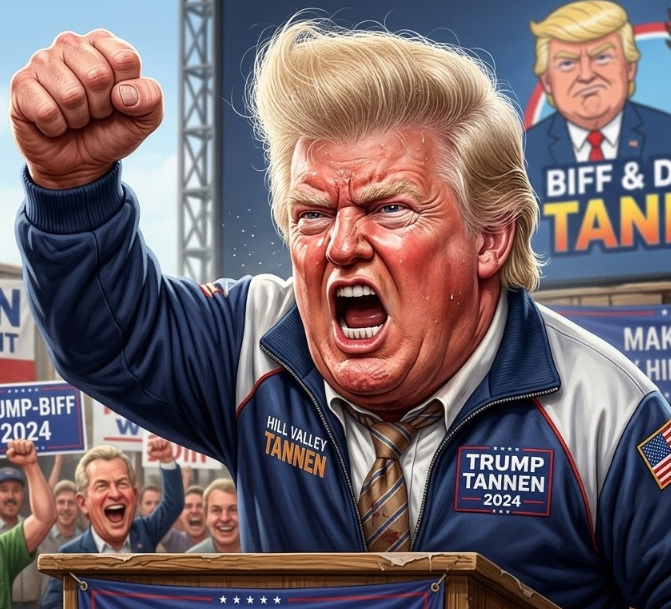
I throw up a little in my mouth every time I watch Pete Hegseth and Donald “Biff Tannen” Trump pumping their fists and boasting (like teenage boys bathed in testosterone) about America’s war with Iran.
I’m infuriated by a Congress of mostly male members sitting on their hands and refusing to hold the Trump administration accountable for continually violating the Constitution and throwing our country and the world into chaos.
More than any time in our history, we need strong and ethical women leaders in government, industry, and education to help turn the tables on the toxic masculinity hurtling humanity towards a dark void of unending violence and oppression.
For the last several months, I’ve been using Suno, an AI Music Engine, to showcase lyrics and poems I’ve written and published to my personal blog, Bending the Needle – Truth Hurts.
I’m releasing several singles next week on Spotify, iTunes, and YouTube Music. The singles share a theme of women struggling against the unrelenting pressure of a patriarchal society.
I’m including public links to these new songs on Suno as a preview of their upcoming releases on streaming services.
The Queen’s Gambit
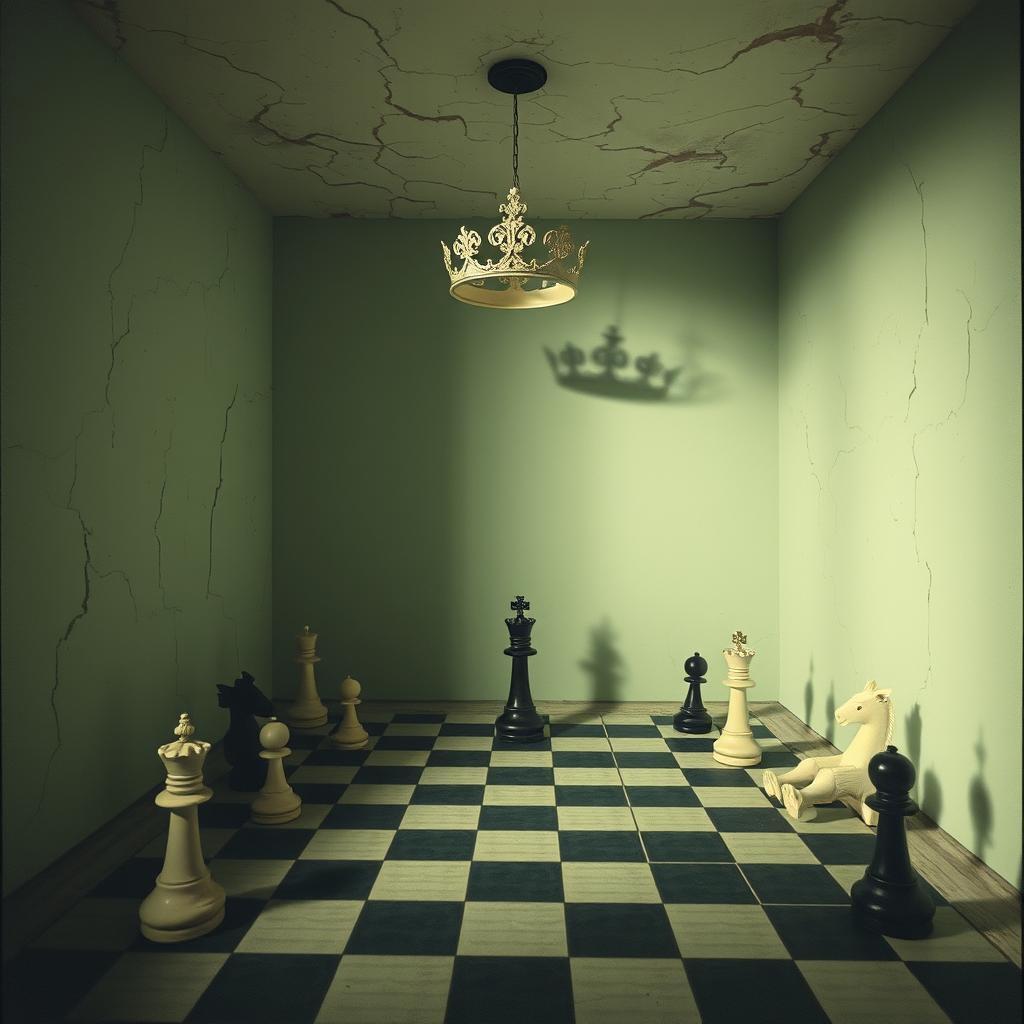
I wrote the lyrics to this song after re-watching “The Queen’s Gambit”, a limited series on Netflix about a troubled female chess prodigy fighting her way to the pinnacle of a profession dominated by men – finding redemption on sixty-four squares of sanctuary.
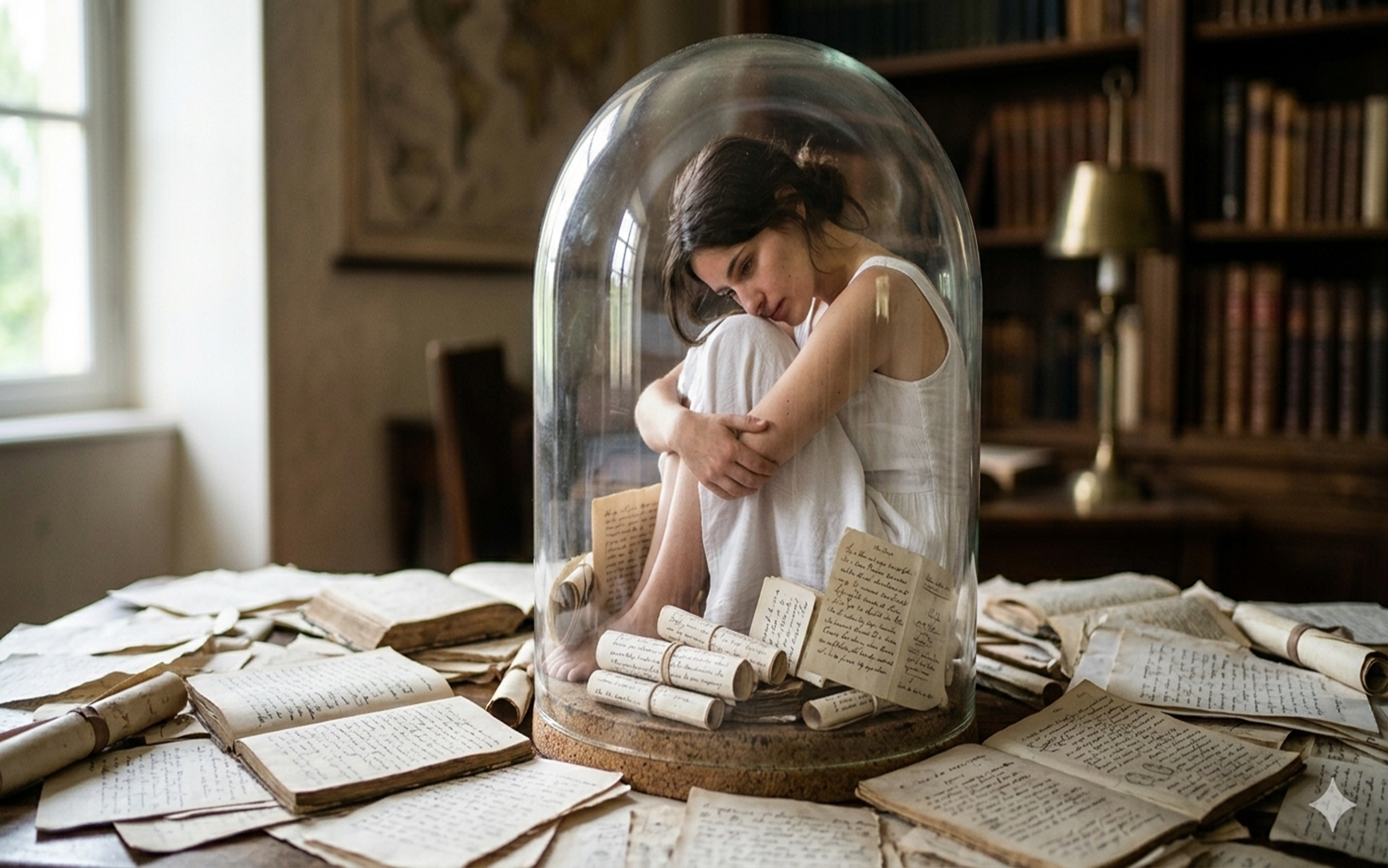
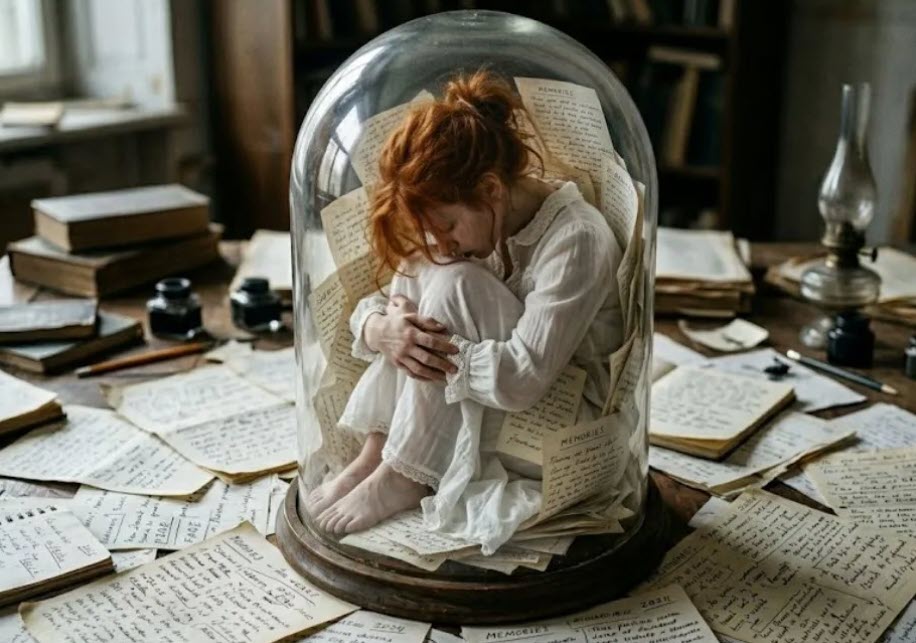
Trapped Inside the Bell Jar is about the poet Sylvia Plath’s struggle with mental illness, patriarchy, and a cheating husband, and how she used emotional pain and public shame to fuel a posthumous rise to literary greatness.
Originally, I used Suno to select a New Wave musical framework to showcase my poem, The Ballad of New Bobby and Joan.
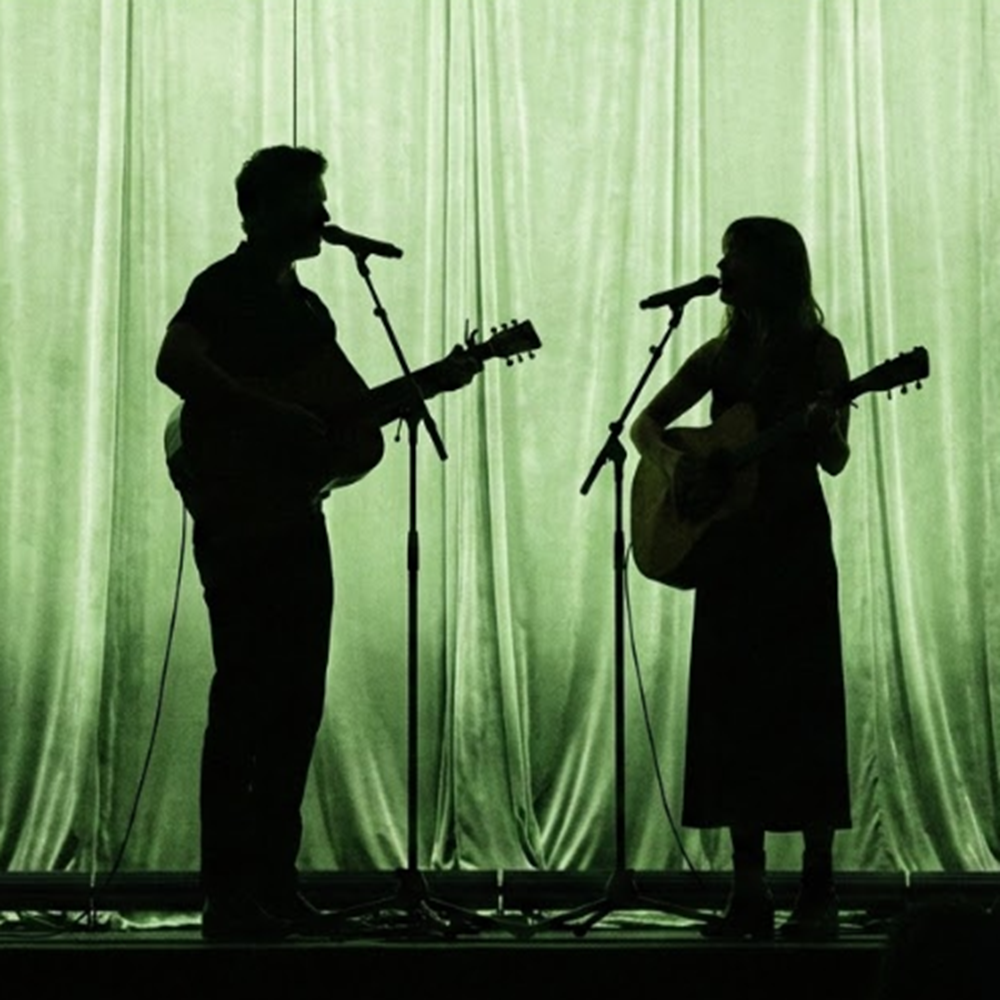
This rap version tells the story of two fed-up musicians at the top of their game, protesting the greed, authoritarianism, and corruption in American politics today.
A Message from Michelle is both a tribute and a plea to the former first lady to continue to speak out strongly against the hateful and dangerously authoritarian Trump regime. I know it’s a lot to ask of Michelle Obama, who was crystal clear on what America would become under a Trump presidency.
Fury and Flow is a fun take on the adventures of Dorothy from The Wizard of Oz as she tries to overcome the obstacles that keep her from getting back to her Kansas Kin.
My Paper, My Words is a collection of essays, stories, and poems that reflect the challenges of a middle-class husband and father trying to navigate a rapidly changing political, religious, and technological landscape of post-911 America.
For me, the biggest perk of retirement by far is time. Time to spend as you see fit, doling it out for reading, learning, creating, or just being available to my kids.
Lately, I’ve been reading essays and biographical pieces about Sylvia Plath, the brilliant and emotionally troubled American poet and author who took her own life in February of 1963.
Plath’s confessional poetry and prose unpacked gender constraints, patriarchy, and mental health with a raw and emotional acuity that made her a feminist icon. Her passionate and tumultuous marriage and very public divorce from poet Ted Hughes was emotionally distressful and humiliating, but also a catalyst for the most creative period of Plath’s career as a writer.
I haven’t read Plath’s most seminal works, “The Bell Jar” and “Ariel”, but with retirement, I have the opportunity to do so.
I wrote the following poem about Sylvia Plath and used the AI music engine Suno to put my words to song. Here is the link to the song, Trapped Inside the Bell Jar.
Trapped Inside the Bell Jar
Sylvie and Ted lie in a bed of false hope and betrayal in poems and prose where no one knows veracity from portrayal
A suffocating madness let’s the dullness settle in a manic wit, the perfect fit of grit inside her grin
Trapped inside the Bell Jar skinned knees pulled to her chest Cracked, she cried and fell far too far to be addressed
Her pain becomes obsession A catalyst of sorts Words explode in expressions of poisonous retorts
She digs her knife into the headboard etching hearts into the wood shavings fall like paper dolls of misspent womanhood
Trapped inside the Bell Jar skinned knees pulled to her chest Cracked, she cried and fell far Too far to be addressed
With tape and wet tea towels sealing windows and locked doors the sad girl that things happen to dies on the kitchen floor
“Please call Doctor Horder “ Her note said nothing more Nick and Frieda safe and sound Behind their bedroom door
Trapped inside the Bell Jar skinned knees pulled to her chest Cracked, she cried and fell far Too far to be addressed
My Paper, My Words is a collection of essays, stories, and poems that reflect the challenges of a middle-class husband and father trying to navigate a rapidly changing political, religious, and technological landscape of post-911 America.
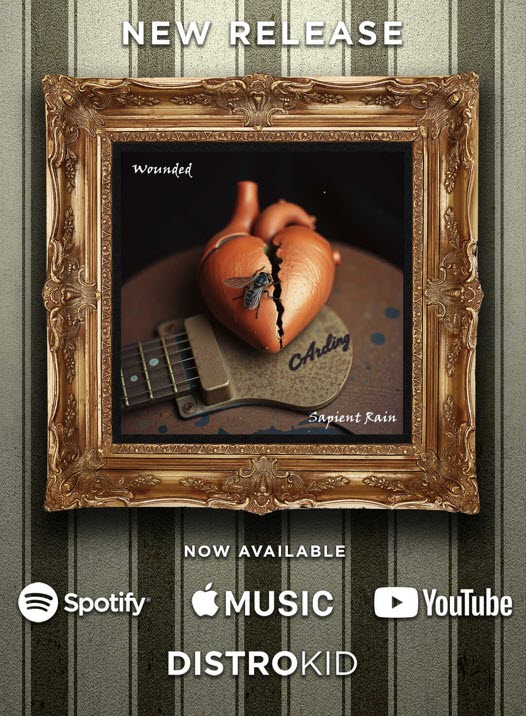
“Wounded”, a creative endeavor between me and the AI Music Engine, Suno, and a follow-up to “Wisdom’s Water”, is available on iHeart, Apple Music, and Spotify.
“Wounded” presents an eclectic collection of songs spanning musical genres, from rockabilly and grunge-inflected bangers to melodic country western ballads.
The work appears under the artist profile “Sapient Rain.”
The lyrics are from poems I’ve written that focus on individuals wounded by love, depression, and the whims of demented, power-hungry authoritarians.
I had a lot of fun crafting the lyrics and working with Suno to select the musical score for my poetry.
My Paper, My Words is a collection of essays, stories, and poems that reflect the challenges of a middle-class husband and father trying to navigate a rapidly changing political, religious, and technological landscape of post-911 America.
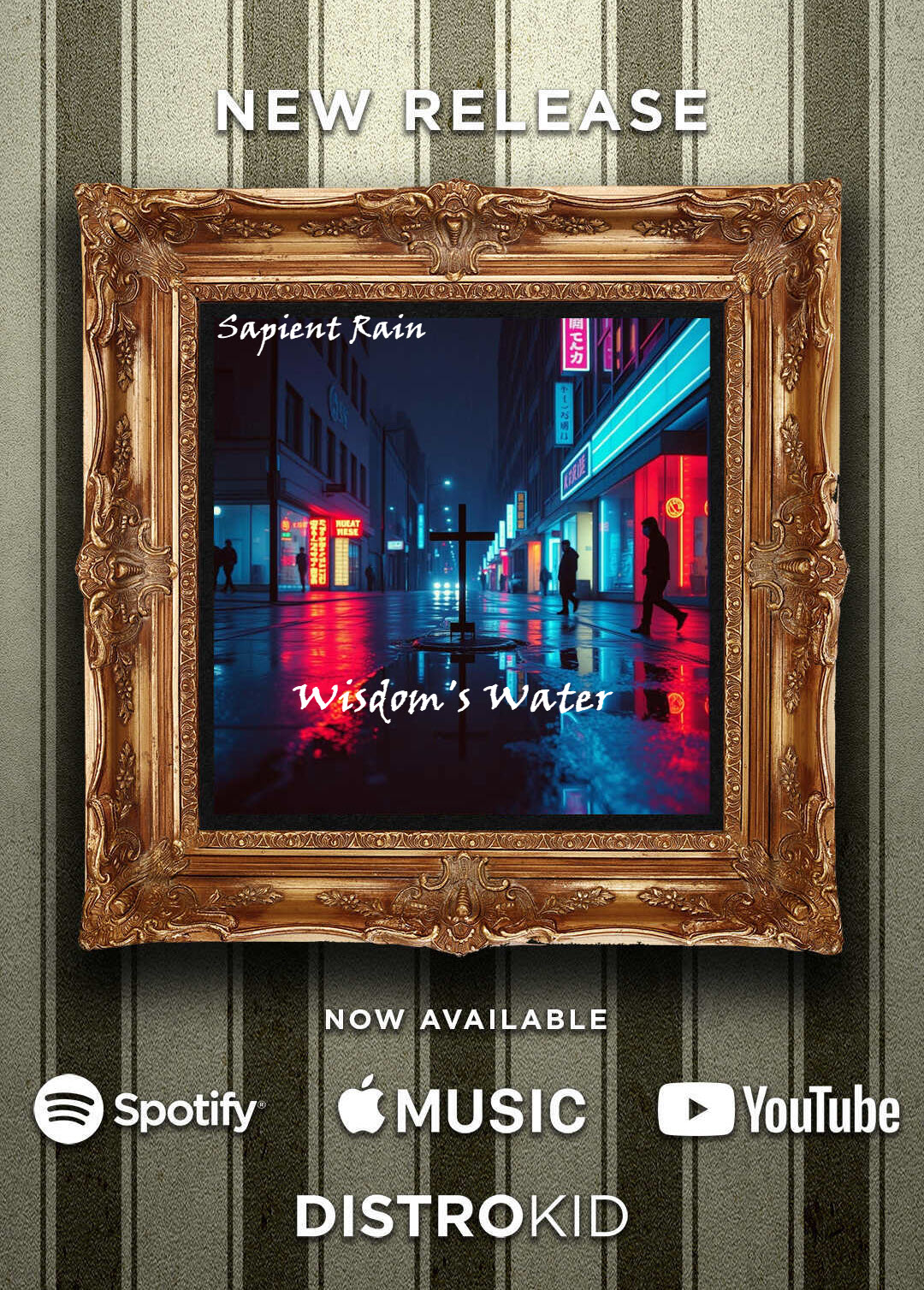
Wisdom’s Water, a creative endeavor between me and the AI Music Engine, Suno, is now available on Apple Music, YouTube Music, and Spotify.
The work appears under the artist profile “Sapient Rain.”
The lyrics on Wisdom’s Water come from poems I’ve written and published over the last few years, and center around themes of religion, violence in America, civic responsibility, and the fragility of democratic ideals.
The music is generated by Suno and adds a second consciousness to the collaboration, shifting from atmospheric tension to rhythmic urgency, mirroring the political and social turbulence the album explores.
I had a lot of fun crafting the lyrics and working with Suno to select the musical score for my poetry.
I’m inspired by all the artists and citizens who are speaking out and protesting in defense of our democracy. I believe this album will resonate with anyone concerned about the troubling direction in which our country is heading under Donald Trump’s fascist regime.
Not all of the songs on Wisdom’s Water are protest songs, but many are. I hope you download, stream, and share them with friends and family. And I hope you enjoy listening to them!
And finally, look for my second collaboration with Suno, titled Wounded, which will be available on streaming services on February 26th, 2026.
My Paper, My Words is a collection of essays, stories, and poems that reflect the challenges of a middle-class husband and father trying to navigate a rapidly changing political, religious, and technological landscape of post-911 America.
For the last several weeks, I’ve been pushing my poems through the Suno AI music generator to see how they work as song lyrics.
I’m no Suno expert. In fact, I’m sure that I’m barely scratching the surface of its capabilities.
My process is simple (bordering on rudimentary).
I copy and paste a poem from my blog into the “Lyrics” window in the Suno song generator.
I enter a free-form description of the music style to use for the poem. For example: “Rap, Hip Hop, with Grunge Guitar licks, Female Vocals“.
I add a title for the song and click Create.
Suno generates two songs based on the criteria I entered. Next, I listen to the songs. I can tell right away whether I like what I hear, and often, I delete the song only after the first few bars. Other times, I find that some of my lyrics “work” nicely, while others don’t flow with the music and need tweaking.
I usually have the lyrics open in a text document as I listen to the song, pausing to rework my phrasing to better match the song’s cadence and rhythm. I add or delete verses, move chunks of text around, then have Suno create a new version of the song (with the same criteria). When I have the new songs with my lyrical updates, I go through the same listening and editing exercise.
It’s a very iterative process—and probably not the best way to use the tool. I haven’t managed to fiddle with the remixing and song editing features.
Poems don’t always have a verse-chorus structure commonly found in songs, so reworking these poems into lyrics often involves coming up with a memorable/catchy chorus. That has been the most fun and challenging part of this project.
Some poems that I envisioned as rap or hip-hop songs end up sounding better as rockabilly/country western songs. Switching the vocals from male to female can give a song an entirely new feel.
With Suno, I’ve repurposed my poems into thoughtful, memorable, and singable songs, even though I have no musical skills (I’m not sure if that is a good thing or a bad thing, but it’s definitely a thing). The following table summarizes my “collaborations” with Suno that are publicly available for listening.
I’d love to hear what folks think of these songs or of AI music in general. Post your comments here or on Suno. And please follow me on either platform.
These lyrics are from a poem I wrote years ago after a spate of school shootings. I really like how Suno split the lyrics between male and female vocalists without me specifically directing it. I always heard this poem musically in my head, even when I was writing it. And, I always envisioned a female vocalist singing the “I see angels” part – it was like Suno was reading my mind on how to turn this poem into a song. Favorite Verse:I’m the isolated IncelThe bullet in the gunThe angry white AmericanWho’s blaming everyoneI’m the cryptic manifestoThe video onlineThe AR-15 lover-boyWho grew-up Columbine
I wrote the poem “Pierced Hearts and Sorrow” after the mass shooting in Uvalde, Texas. I also wrote a short story titled “That Final Hug” inspired by that horrible day. I’d gladly give up this type of inspiration if it meant fewer mass shootings where children are murdered in their classrooms. I hate that I feel compelled to write these types of poems. I think Suno captured the mood and tone of what I was trying to convey with my words. Favorite Lyric:We live in a landof pierced hearts and sorrowno shooting today?just wait till tomorrowIn a fog of futilityexplicably numbwe reach for our heartstringsbut there’s nothing to strum
These lyrics are from a poem I wrote after the Charlie Kirk assassination. It’s about how dangerously divided America is and the potential for spiraling political violence that seems increasingly likely in the second Trump term. Favorite Verse:We ought to runfrom martyrdomnot pin it to our chestnot canonizethe hateful guyswho scream that they know best
I wrote a poem called “Ashes to Ashes” ten or more years ago. I fiddled with it and published it on my blog about 5 years ago. With some significant edits and a revamped chorus, here it is with Suno’s light touch. Favorite Verse:We stretch our souls tight on a drumWe beat it bare till it goes numbWe feel the eyes of everyone
Bored one afternoon, I challenged myself to write a poem about Dorothy from The Wizard of Oz. With Suno’s assistance, here is the musical version of that poem. Favorite Verse:Tracing the stitch on her pillowshe imagines the blood in her veinsshe chases the witch up a willowtill the beat of her heart starts to wane
I wrote the poem this song is based on about a month or so ago. It takes a familiar place for Portsmouth, RI, residents (The Glen) and builds a song about the realities of relationships around that place. I trimmed the poem quite a bit for the song and changed some wording. In fact, the verse about chasing fireflies does not appear in the poem at all. That verse came to me as I was listening to the rhythm of the music, and it turned out to be my favorite lyric in the song. I chose a country-western style, which I think works nicely. Favorite Verse:The fireflies we used to chasewent dark forever without a traceand we chose to leave love’s warm embrace
I wrote the poem “Get a Load of Elon” after seeing the sickening footage of that smiling dirtbag laughing it up and swinging a chainsaw around like some fake-ass efficiency hero. Fuck that guy and everything he represents. I think Suno captured the tone I was looking for on this one. Favorite Verse:He pulled into WashingtonBlack MAGA cap on his headHe spent a ton of cashput a felon in our bed
Donald Trump is my fat, ugly muse. There, I said it. Shame on everyone who voted for this criminal, and fuck all the cowards in Congress who are failing to stand up to this two-bit thug. And that’s all I have to say about this song. Favorite Lyric:My heart is full of penniesthere’s no light inside my eyesthere’s only room for Donnyand all that I despiseMy mind is fully taintedI can’t connect the dotsI’m more and more acquaintedwith Russian drones and bots
I wrote a poem in May of 2024 titled “Bonjour, Borg”, which was about the headlong way we are embracing AI, without fully understanding the consequences. I reworked that poem, added a chorus, and handed it to Suno. I include two versions (a power pop version and a blues version). Favorite Lyric: We’re messing with knowledgewe don’t understandplaying our cardswithout knowing our handA sprint to the finishBut where are we going?Dimmed and diminishedWe’ve no way of knowing
I wrote a poem in May of 2024 called “Boys in Distress”. I took bits and pieces from that poem and wrote the lyrics “New Boy Paranormal”. It’s about young adult men in America not being able to find their footing socially to the point where they retreat into a digital world of grievance, anger, and misogyny. This is an example of a previously written poem serving as a concept for new lyrics for a song. I wrote this specifically for Suno. The chorus: Fiber-optic geldings alone inside their heads they bathe in Incel chatrooms masturbate beside their bedsthey’re the new-boy paranormal walking ghosts and talking shit the no-screw-boy semi-formal stalking post sand keeping fit is new and does not appear in “Boys in Distress” – I came up with it on the fly and added it after listening to Suno’s first attempt at creating the song from my poem. This song went through several renditions before I settled on a “Surf rock-influenced” beat. I smiled broadly when I heard the finished product for the first time. Favorite Verse:Fiber-optic geldingsalone inside their headsthey bathe in Incel chatroomsmasturbate beside their beds
I wrote this poem about the climate crisis about 4 years ago. I kept the words pretty much the same for the musical version – just adding a second verse to the chorus. I can see Greta Thunberg belting this out on the bow of the Greenpeace Rainbow Warrior, with a hard-rocking band of Norwegian’s backing her. Greta, if you’re interested, text me. 😊 Favorite Verse: The dangers in Pittsburgthe dangers in Norwaywherever we liveit’s outside our doorwayThe science is speakingthe numbers aren’t lyingThe danger is globalWith temperatures rising
I came up with these lyrics based on a poem I wrote in 2017 called “Resist”, which was about pushing back against Donald Trump and his policies, which I saw as an existential threat to America’s democracy. I added several new verses for the song and reworked the verse that would become the chorus. I can see the Dixie Chicks or Dolly Parton belting this out. I’m not a big fan of country or rockabilly music, but I think that musical style works well with the words here. Favorite Verse:He belittles and threatensthose who oppose himHe stomps up and downscreams America chose him!
The phrase “love grenade” came into my head when I was noodling around a text file. I created this song entirely around that one phrase. No previous poem for this rocker – it just came to me very quickly, all of it from that one phrase “love grenade” – I like the vibe of the music that Suno generated – it’s got a female punk energy that’s fun to listen to (at least to me it is). Favorite Verse:You’re the drunken saintof unrestraintthe banger at the balla bourbon shotwithout a plota fist inside the brawl
Suno and I, channeling our best Pat Benatar impression. I wrote the poem “Oligarchic Kings” recently and published it on my blog. I changed it quite a bit for the song version. Favorite Verse:Oligarchic Kingsare here to clip your wingsto wrap a rope around your throatto cast dark shadows over hopeto crush your dreams of better daysto dress your colors in shades of greys
When I wrote this poem originally, I wrote it to the cadence of Supercalifragilisticexpialidocious from “Mary Poppins” and included it in my book “Imagine There’s No Donald” (available on Amazon😉 ). I asked Suno to create a power-pop song from the poem. It’s the only poem I used as is (not changing any of the words). It’s a campy/poppy version of a Disney classic. Favorite Verse:Neo-fascist-oligarchic-expialidociousElon-Bezos-Zuckerberg are really quite atrociousWe need to fight them in the streetsand call them on their grossnessNeo-fascist-oligarchic-expialidocious
When I was a youngster (I’m talking elementary school age), I remember “feeling” the news of the times – Watergate and Vietnam were in the news all the time. And though I was just a child and could not comprehend the realities swirling around me, I could sense a tension in the air – parents and other adults in heated conversations, the constant coverage of Watergate and Vietnam seeping into our subconscious among all the wonderful distractions of childhood at that time. That’s what inspired me to write the poem that this song’s about. Favorite Verse:Watergate was all aroundin our sight and in our soundon the news and in the paperthe Viet Cong and foiled caperIt lurked and hovered overheadPages written and words were saidit wormed its way into our headthat innocence was finally dead
I wrote a poem titled “Too Small to See” some 20 years ago after reading Robert Frost’s poem “Fire and Ice,” which is about “the destructive power of human emotions, suggesting the world could end through either fiery desire or icy hate, with both leading to the same annihilation, equating intense passion (fire) with destructive greed/lust and cold indifference (ice)” – I remember taking more literal slant on the subject of human mortality against the backdrop of an e-bola outbreak, which made me think that the way humanity ends is less likely to be from nuclear annihilation or climate-related disaster and more likely to be something “too small to see” – like a virus – When COVID came along it only reinforced my belief that our angel of death will be too small to see, killing us all, infectiously. I used to Suno to create two versions of this song with different styles (I’m not sure which one I like better). Favorite Verse:We’ll end with a whimperviral, tiny, and smallfrom something we caughton our trip to the mall
This song combines verses from two separate poems I wrote a few years back – one about regret and the other about a post-apocalyptic world. The result here is both bleak and sweet. Favorite Verse:Some people start to gathershake their fists and curse the sunwhile others mumble silentlyquoting Nietzsche and Carl Jung
This song is based on a poem I wrote, which was published in Beyond Words Literary Magazine a few years back. I did not change any words in the poem. I just added a chorus, and Suno did the rest. Favorite Verse:With a never-ending stipendof more than you can bearan abundant over-ripenedsoftened fruit of deep despair
Most of us don’t get to choose the last thing we hear before dying. The grim reaper doesn’t give a shit about playlists or our affinity for the sound of waves crashing or birds singing.
The man in the blue blazer’s final breath came at 12:46 PM to the shitty sounds of stylized Jazz, and a Bluetooth-wearing mortgage lender yelling, “It’s 2008 all over again!”
With his elbows on the table and bowed head, he looked like any other Barnes and Noble Cafe customer – bewitched by books and coffee. Sure, his posture might have seemed “a little off” to the passersby, but not enough to alert the reference librarian or the pimply-faced adolescent behind the Cafe’s counter.
People don’t care about one another the way they used to. Most of us drift through our day in cell phone-induced trances, grossly unobservant of the world 3 feet beyond the nose on our faces. And so, the man in the blue blazer sat dead and unbothered for nearly eight hours (and one shift change) until a nudge from the Cafe’s manager caused him to fall and strike his head with a sickening biological splat, like a dropped bowling ball wrapped in salami.
Bill and Susie are wiping down the espresso machine when their pale, shell-shocked manager shuffles towards them.
“What’s up, boss? Are you OK?”
The question startles the manager from his stupor. He looks at Bill and says flatly, “He’s dead.”
“Who’s dead?” Bill and Susie chime in unison, causing Susie to laugh and blurt out, “Jinx on you!” while pointing and smiling at Bill demurely, “You owe me a coke, dude!” – Susie’s been crushing on Bill for months and can’t figure out why he hasn’t picked up on her willingness.
Their manager raises his arm slowly and points towards the Cafe’s seating area. Bill and Susie look wide-eyed at one another and dash from behind the counter. Susie sees the man lying on his back, turns immediately on her heel, and heads towards the front of the store, yelling, “Call 911, call 911!”
“Jesus Christ, boss, what happened?”
The manager’s voice is unsure and thready, “I told him we were closing, and that he needed to complete any purchases. When he didn’t respond, I touched him on the shoulder, and he fell.” His voice rattles with panic, “He must have been dead already; I mean, he never even tried to break his fall.”
The manager falls quiet before whispering, “His lips are so blue.” Bill looks at the lifeless body in front of them, turns toward his boss, and acknowledges softly, “So fucking blue.”
“You know, he looks familiar, boss. Not as a customer, but from out there,” Bill nods over his shoulder towards the storefront windows and the world beyond. He brushes by his manager and kneels next to the body. “He’s dead for sure,” and then shockingly reaches into the man’s blazer.
The manager directs a rage-filled whisper at Bill, “What the fuck are you doing? Are you crazy? The police are on their way!”
“I know – I just want to check his driver’s license. I know this guy, boss.”
“Who gives a fuck if you know him? Leave him alone! Wait for the police, for Christ’s sake.”
The manager’s head is on a swivel, his darting eyes surveying the store for straggling customers and police. The last thing he needs is for his manager to hear about a Barnes and Noble employee mugging a dead man.
Bill opens the wallet. A folded piece of paper falls out. Without thinking, he puts it in his pocket and rummages for the dead man’s driver’s license.
Susie comes running from the front of the store, out of breath, “Betty called 911. Bill, what are you doing?”
Bill holds up the license and smiles, “Ted Diamond. 22 Fairview Lane,” before slipping it back into the card slot and sliding the wallet into the breast pocket of the blazer.
A police cruiser glides quietly into the nearly empty parking lot, splashing the storefront in blue and red lights. Car doors slam, and a few seconds later, the reference librarian directs two officers toward the Cafe.
As the officer approaches, Bill looks at Susie and shoves his hands into his pockets nervously, only to discover the piece of paper that fell from the wallet. He looks up and realizes there’s no time to put it back. His fingers draw the paper into his sweaty palm, and he squeezes tightly, digging his fingernails into it.
“I’m Officer Jacobson, and this is Officer Tyler.” Can someone tell me what happened? Bill’s boss offers an outstretched hand to the officer, “Hi, I’m Jack Bellinger, the manager. I found the gentleman about 15 minutes ago. He was sitting at a table, and I nudged him when he didn’t respond to me — then he fell off his chair. I’m pretty sure he’s dead.”
There’s a commotion at the front of the store as the EMTs come rushing in. They begin chest compressions and CPR immediately, checking intermittently for breathing and a pulse. It’s not long before futility settles heavily on their shoulders.
The Cafe manager is off to the side, nodding and speaking with the officers in hushed tones. The EMTs wheel the man in the blue blazer slowly out the front of the store with no sense of urgency. His story ends officially in the parking lot of Barnes and Noble.
Bill pulls the folded and crumpled paper from his pocket.
“What’s that?” Susie whispers.
“A note. It fell out of the dead guy’s wallet when I was looking for his license – I didn’t have time to put it back.” A look of guilt and shame fell over Bill’s face.
“What’s in it?”
“I don’t know. I haven’t read it.”
Susie puts her arm around Bill’s waist and slow-walks him to the Cafe’s kitchen. Bill brushes aside poppy seeds and crumbs from the counter, unfolds the paper, and smooths it out with both hands.
Dear Mary,
I know what you’re doing and who you’re doing it with.
A barista?
How pathetically proletarian.
It’s over. We’re done. You’re DONE!
Ted
Susie steps back slowly from the counter and stares at the back of Bill’s head, his damp, thick curls resting on his shoulders. She watches him slowly take a cigarette lighter from his pocket. In a dream-like sequence, he walks to the sink, holds the note by the corner, and lights it on fire. Then he pulls a sandwich bag of little white pills from his other pocket, empties the bag into the sink, and washes them down the drain.







 bendingtheneedle